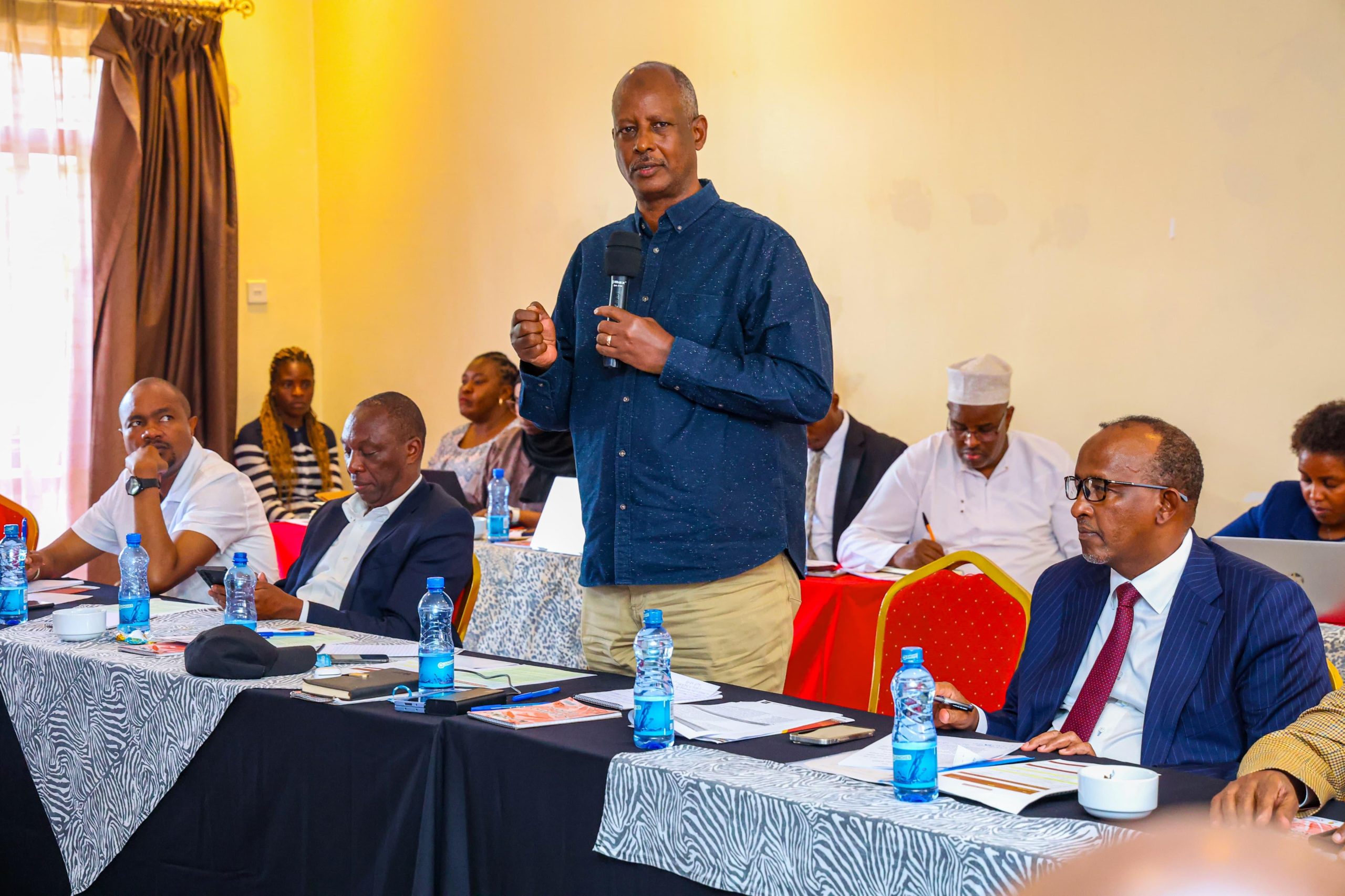
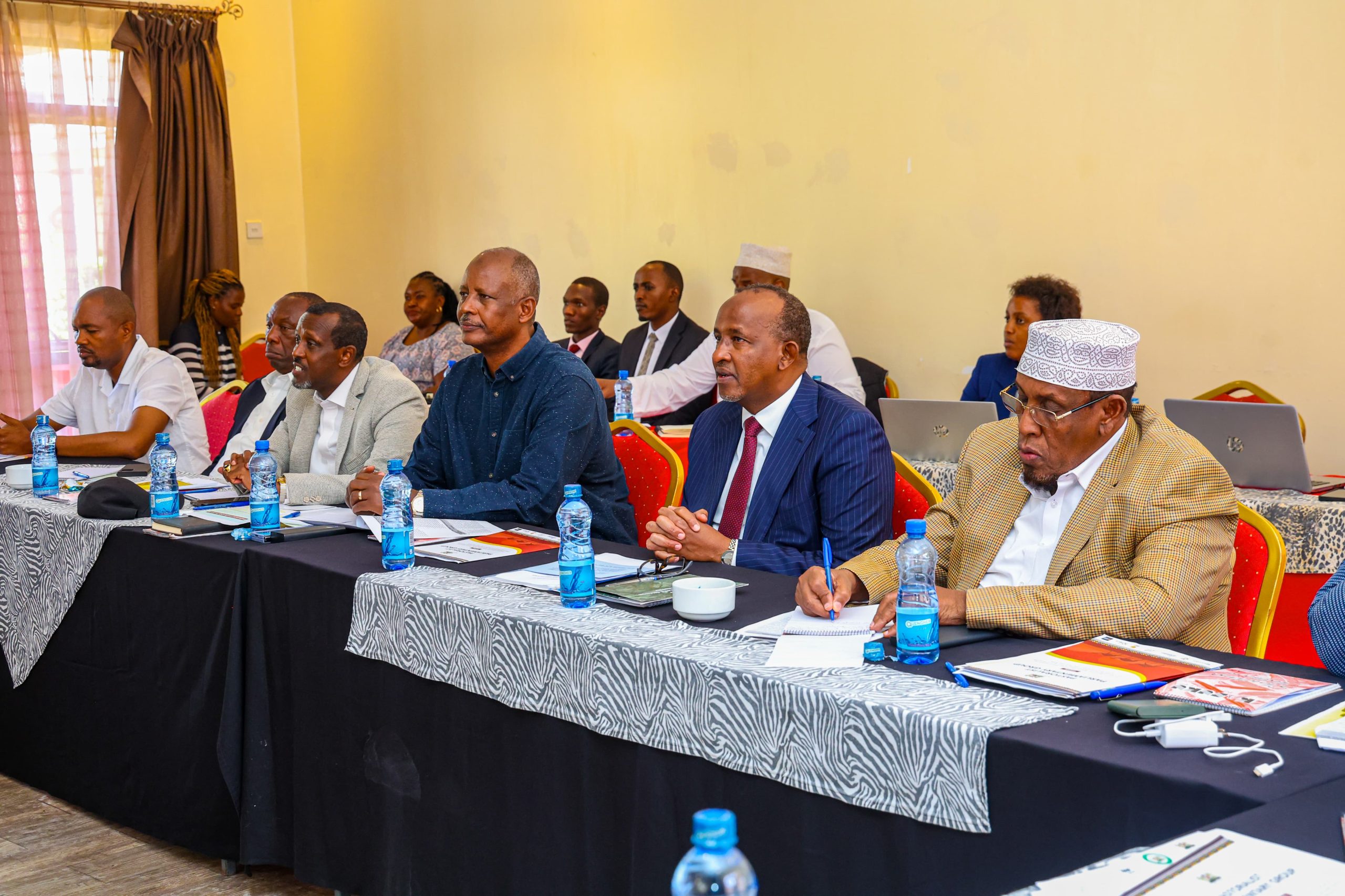
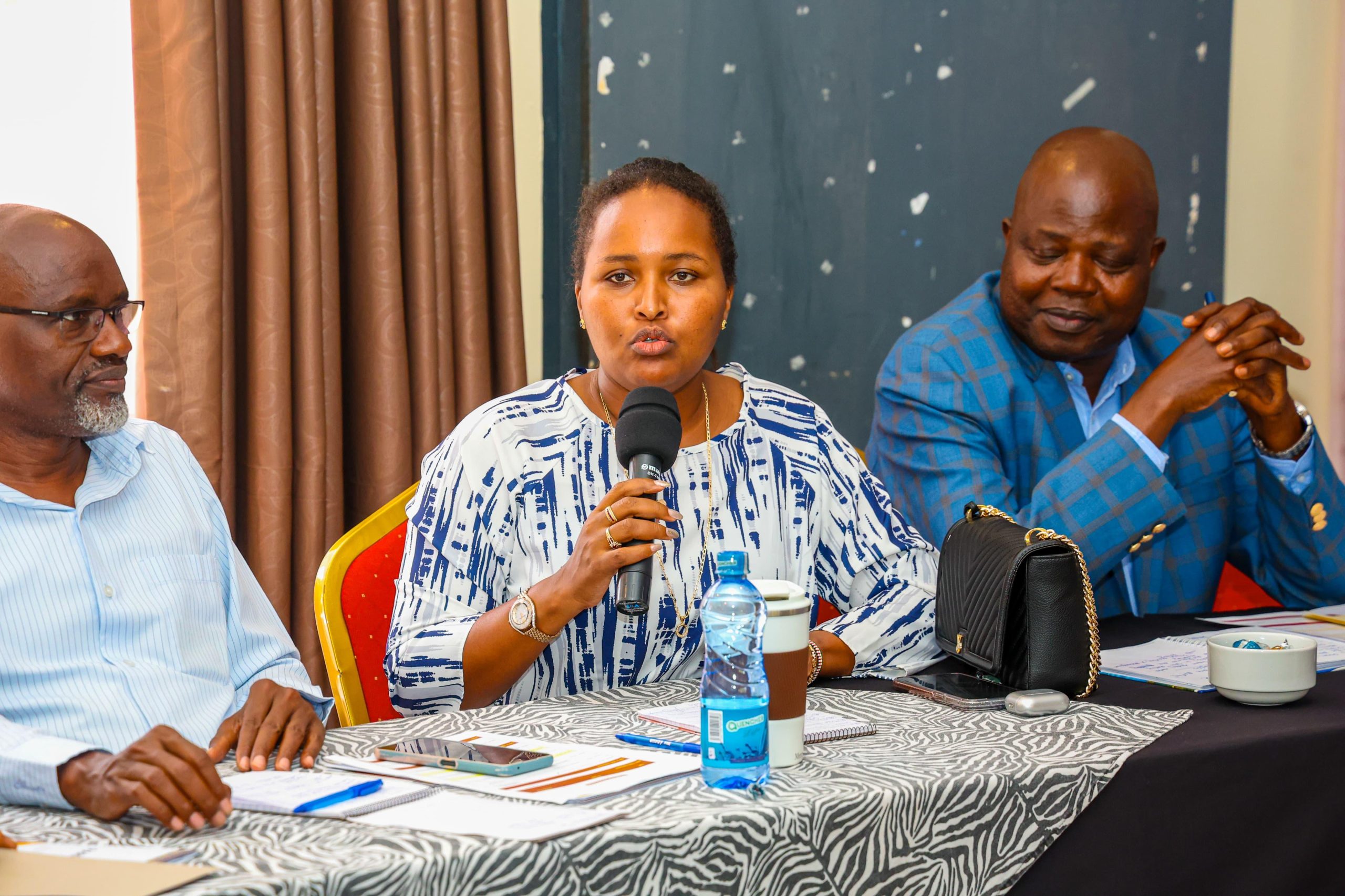
Highlights on the ten points from the Pastoralist Parliamentary Group (PPG) Executive Committee Retreat.
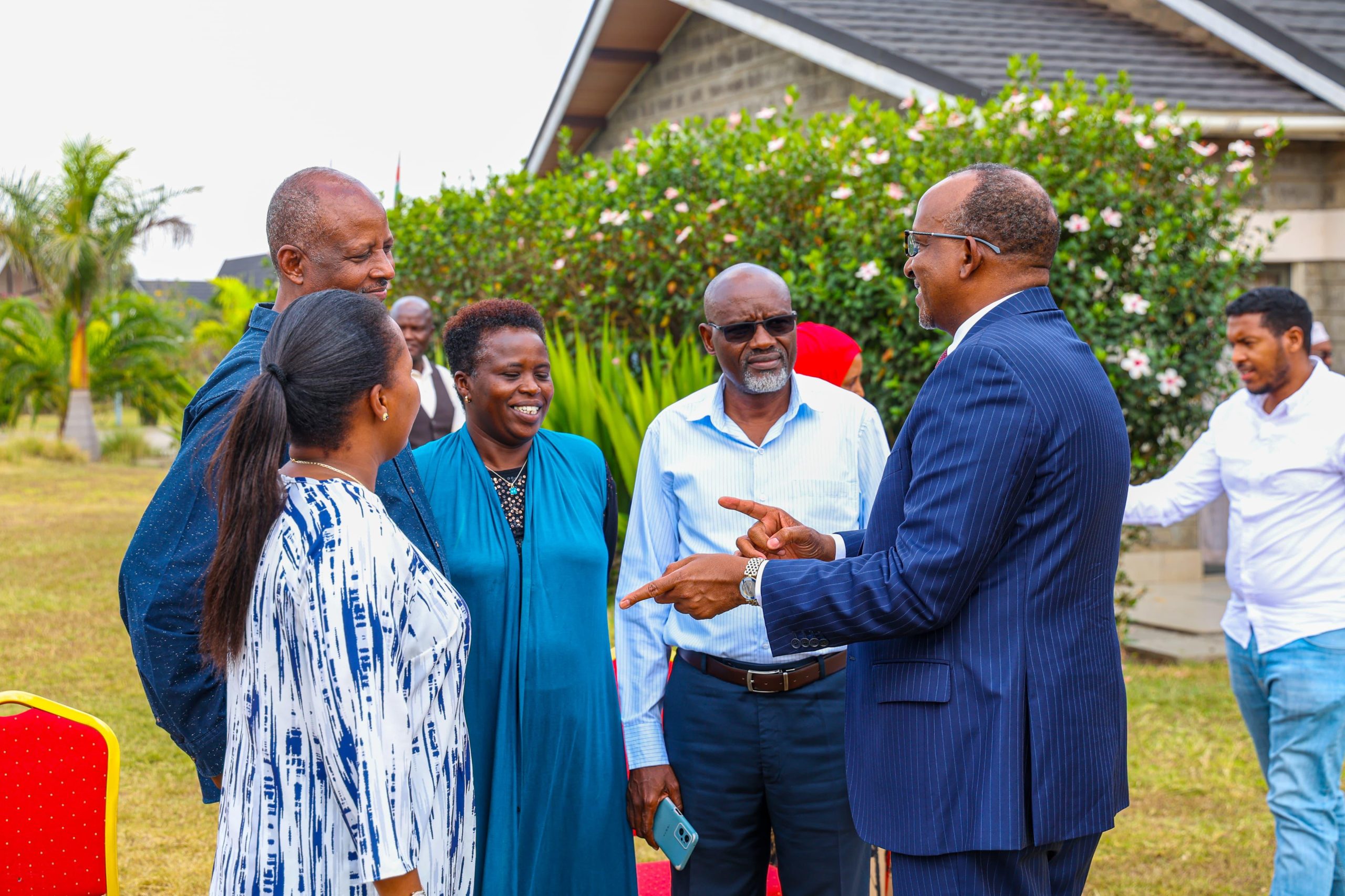
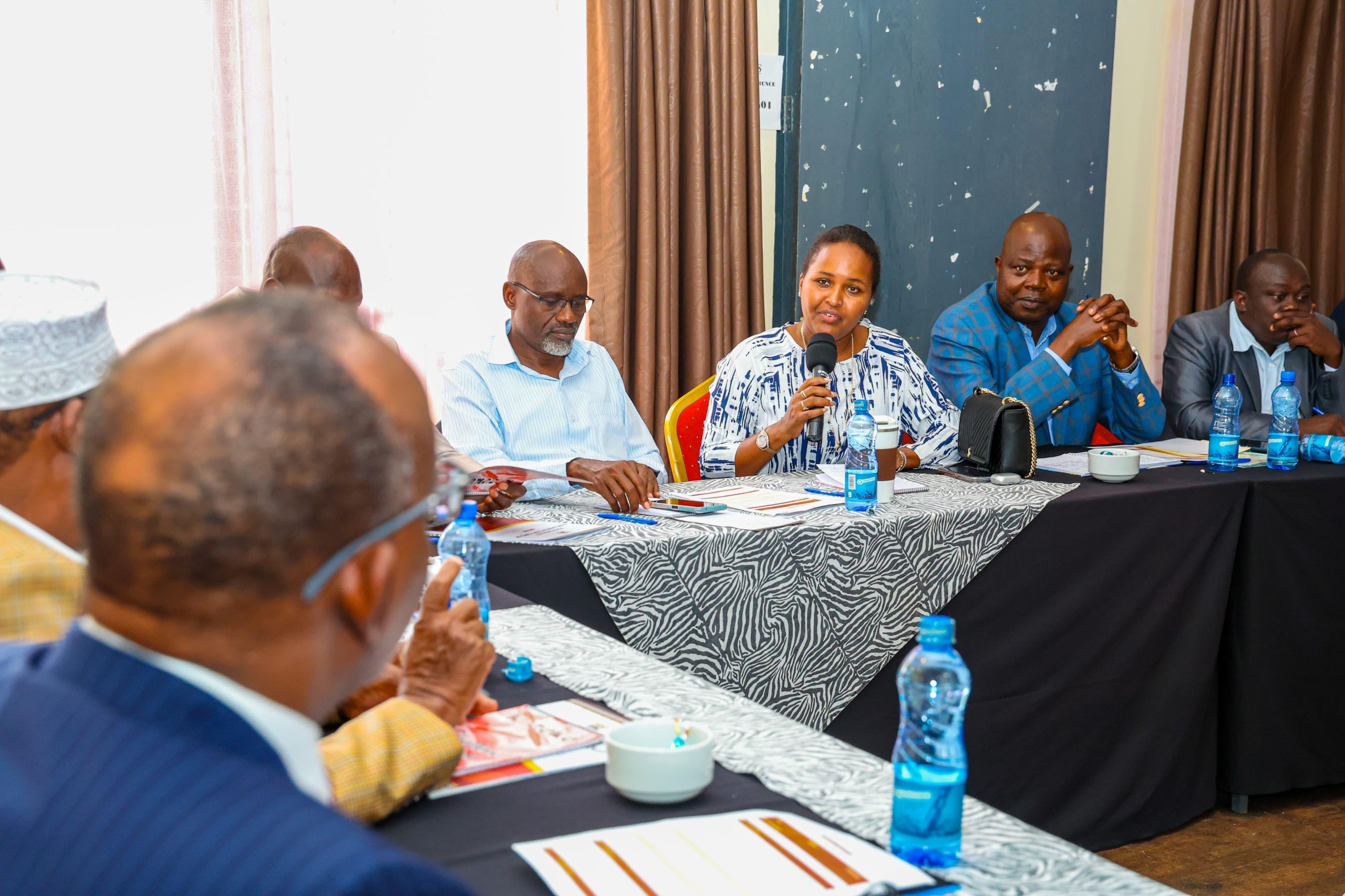
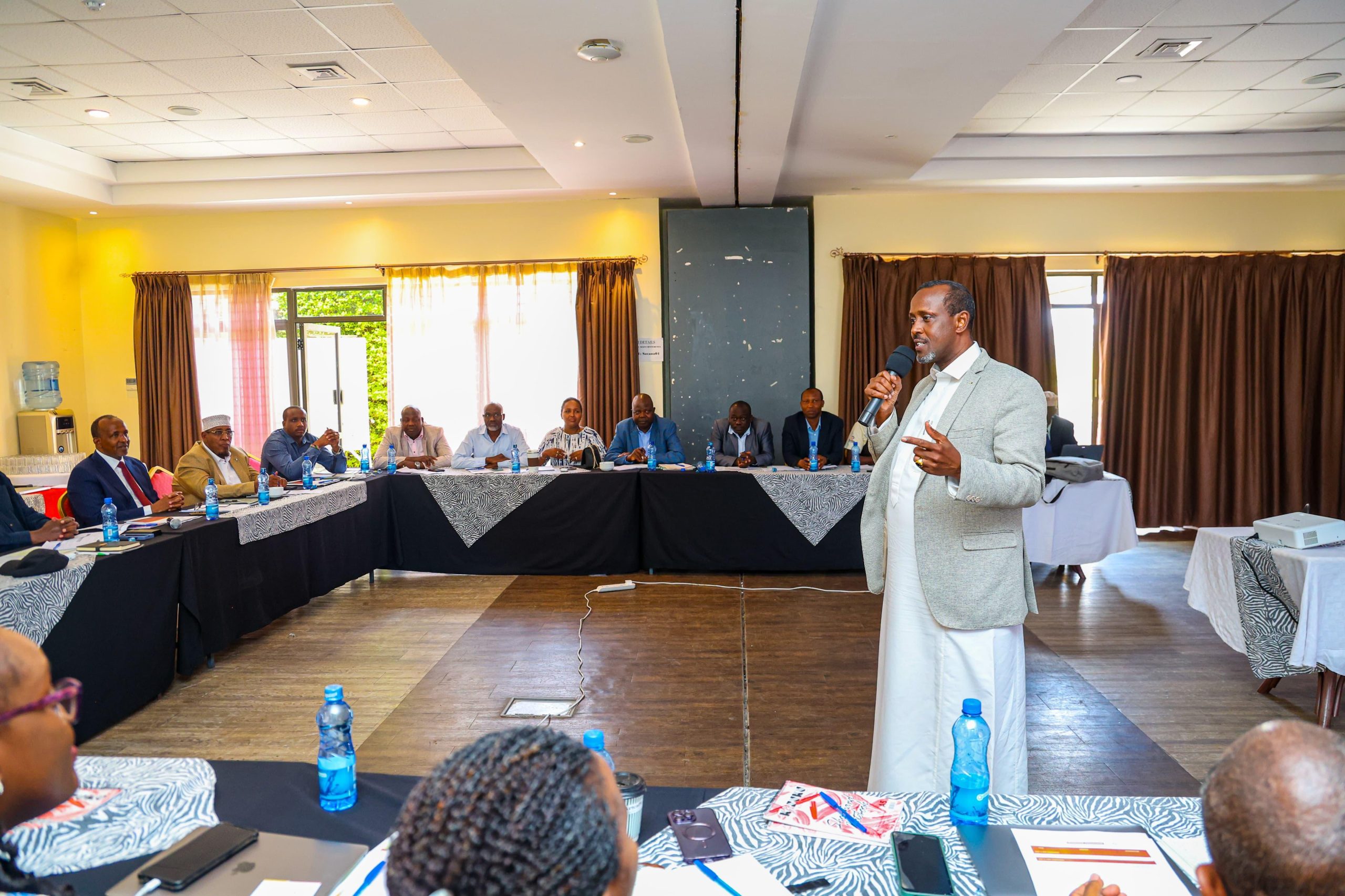
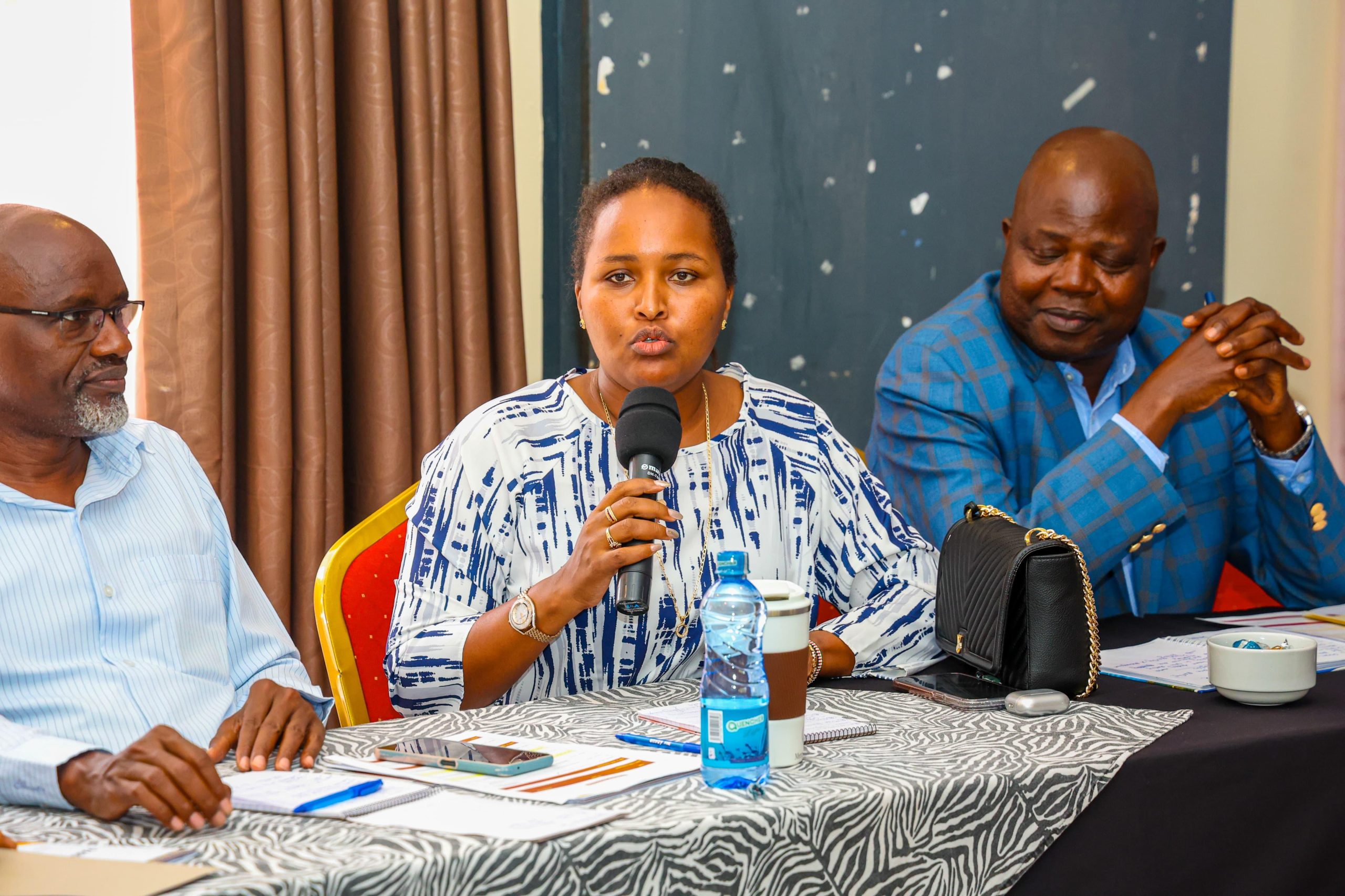
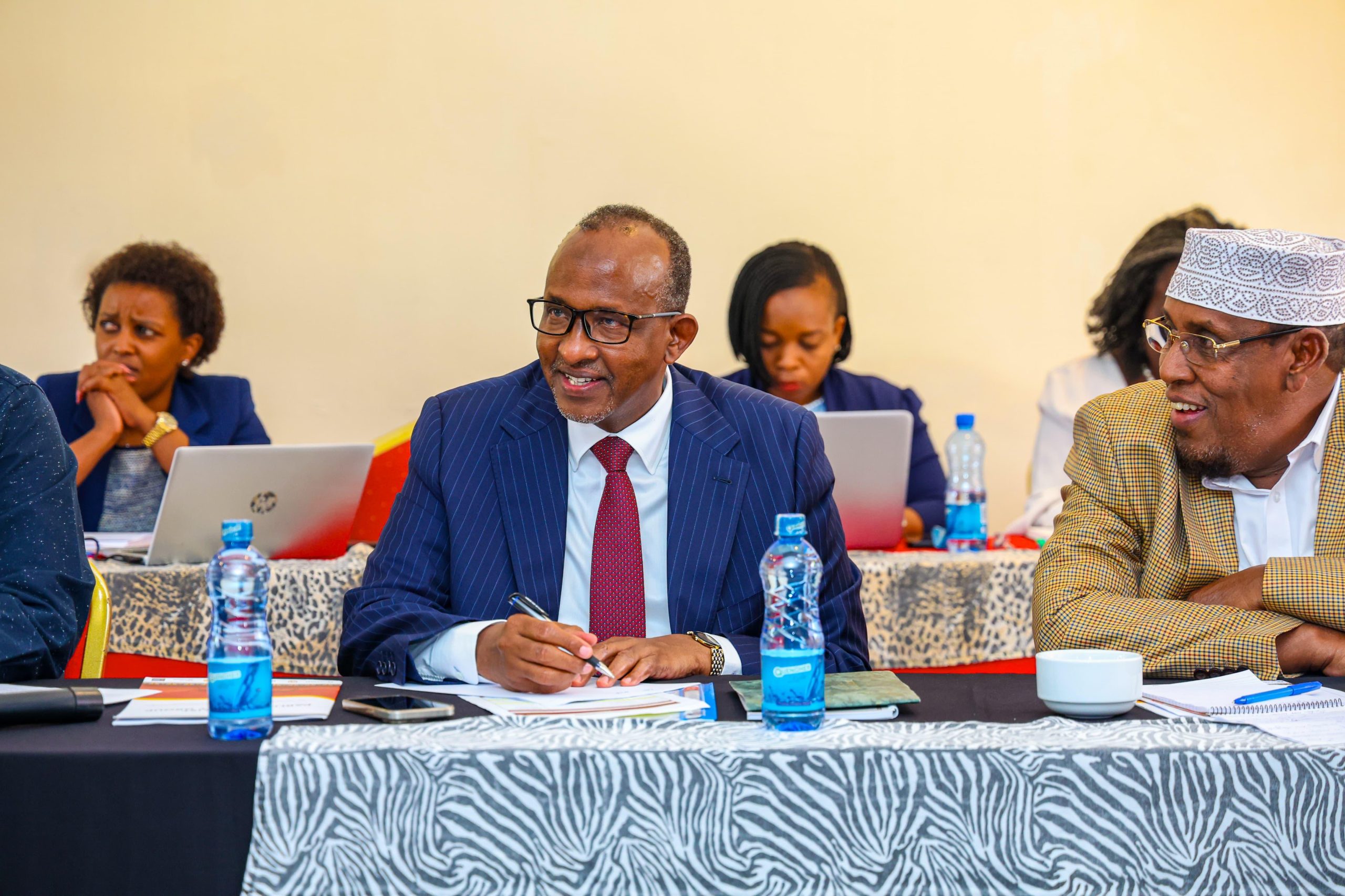
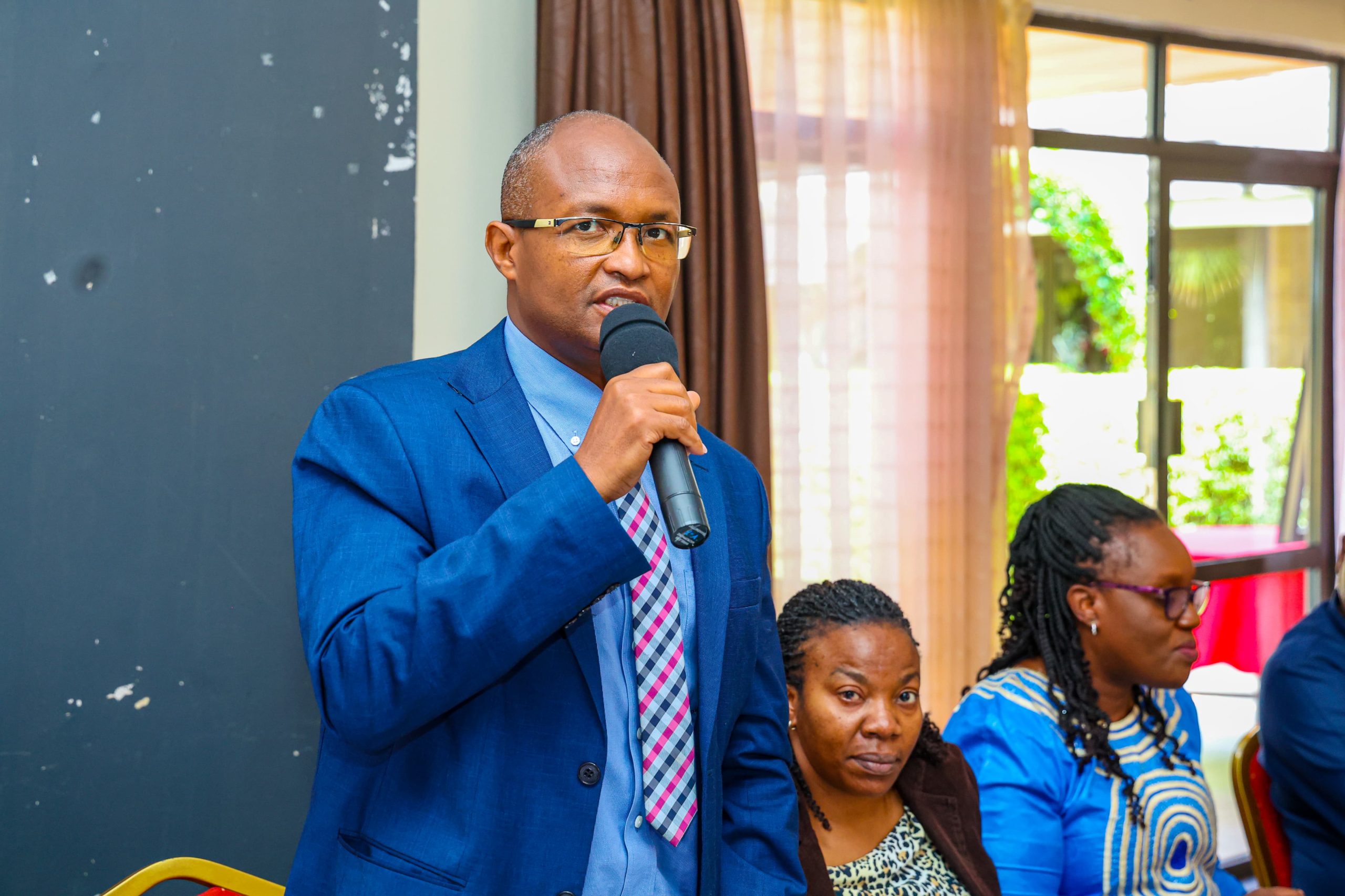
 PPG Executive Committee With the Cabinet Secretary for Environment, Climate Change and Forestry Hon. Aden Duale EGH.

Notes by Jarso Mokku, Chief Executive Officer (CEO), Drylands Learning and Capacity Building Initiative (DLCI)
Introduction
The two-day retreat was a crucial preparatory step for the 4th Pastoralist Leadership Summit (PLS) in Wajir. This month, this event marked a significant activity for the Pastoralist Parliamentary Group (PPG) Executive Committee. The retreat, expertly organized by the Kenya National Assembly (KNA), provided a critical opportunity for the Executive Committee to review and enhance the PPG’s effectiveness and realign its objectives to the mandate of caucus.
On the first day, members engaged in presentations from various ministries and were invited to discuss key policies and government programs impacting pastoralist regions. The day’s highlight was a presentation from the Ministry of Environment, Climate Change, and Forestry, led by Cabinet Secretary Hon. Aden Duale, EGH. The Ministry’s presentation covered several crucial issues, including climate change adaptation strategies, the new regulation approved by the parliament on the carbon credits, national environmental management standards, and the 15 billion tree-planting initiative, which is targeting to focus 50% of land to be rehabilitated and restored from degradation in pastoralist areas.
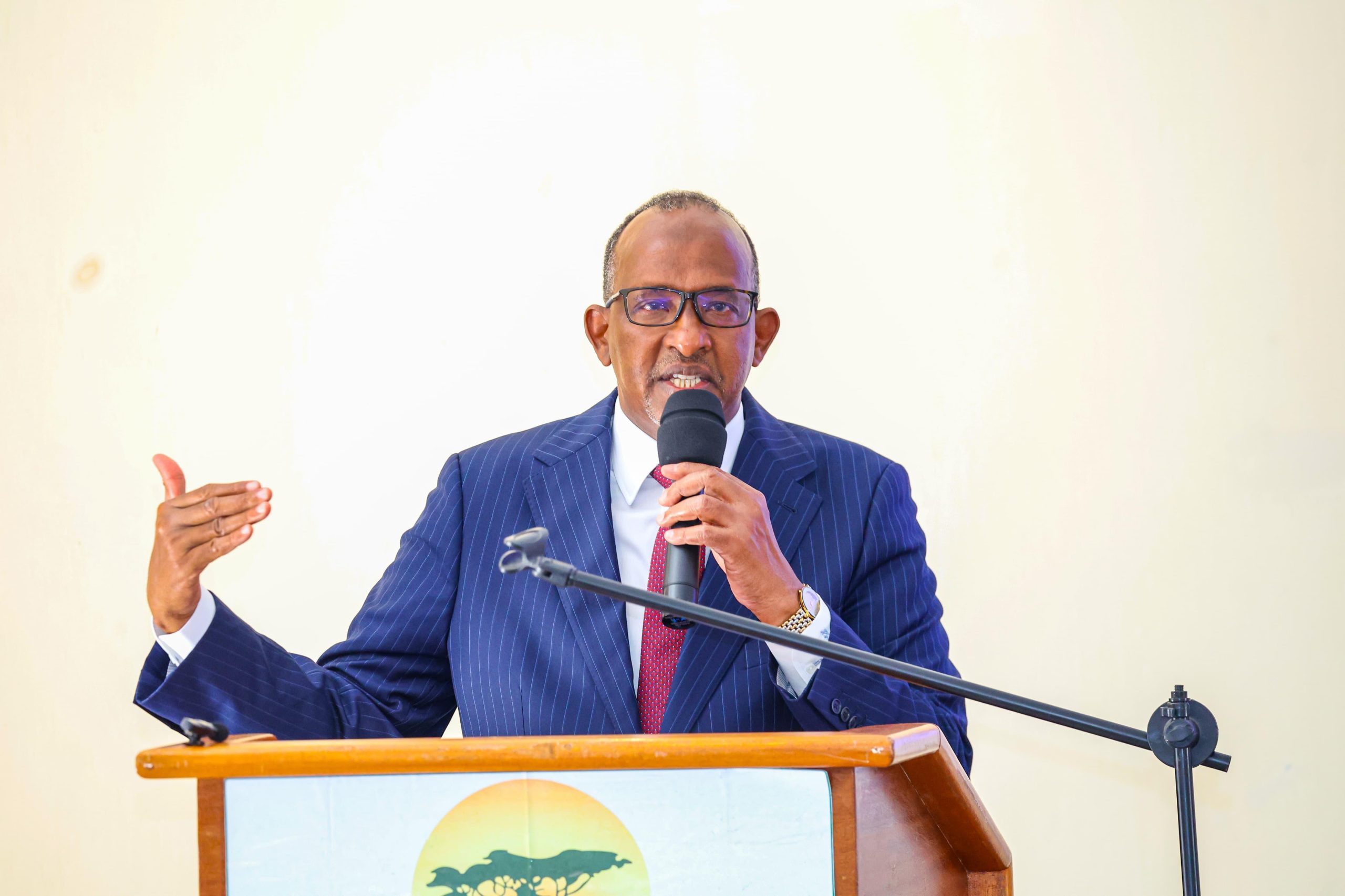
Cabinet Secretary for Environment, Climate Change and Forestry Hon. Aden Duale EGH
The other key presentation focused on the Equalization Fund and discussed the proposed amendments to the draft bill before the national parliament. It also reviewed the performance and constraints faced in fulfilling the objectives outlined in Article 204 of the Constitution. This was led by a consultant from the World Bank’s Tackling Regional Inequality and Inclusion in Kenya (TRIINK) project, which commissioned a critical study to assess the implementation of national policies in Kenya’s Arid and Semi-Arid Land (ASAL).
The Ministry of Education made a presentation on NACONEK’s performance and challenges in meeting nomadic education goals and an overview of the Ministry of Water, Sanitation, and Irrigation’s progress in water development in pastoralist areas. There was also a discussion on cooperative sector development and government investment, highlighting its benefits to the people of Kenya and its lack of presence in pastoralist areas.
Livestock experts also shared insights from a holistic livestock sector development workshop, co-hosted by the State Department of Livestock, the Office of the President, Drylands Learning and Capacity Building Initiative (DLCI), and GATSBY Africa; the day concluded with a presentation on the state of preparedness for the 4th Pastoralist Leadership Summit (PLS), scheduled to take place in Wajir from 28th–30th November 2024.
Ten-point agenda of PPG work stream priorities
- National Budget and Supplementary Proposals: The Secretariat should closely monitor the national budget process and house proceedings and provide a critical analysis of the impact on pastoralist communities. This includes safeguarding budget allocations to livestock, rangeland development, climate change, environment, and education for nomadic families. Regular policy briefs with actionable recommendations should be shared with the ExCom and PPG members to inspire collective action to influence the budget.
- Bills and Motions in Parliament: The secretariat should monitor the parliamentary order paper and share pertinent issues with PPG members, ensuring the information is streamlined to avoid overload in WhatsApp pages. Critical bills and motions should be analyzed, and the Secretariat should organize engagement sessions with sector experts on contentious clauses that members need to be aware of either for their support or oppose. A critical meeting on the Equalization Fund need to be organized urgently to allow all the PPG members to discuss the draft bill, with DLCI securing independent experts to guide them.
- Improving Engagement with the Cooperative Movement in Kenya: The Secretariat will engage with SACCOS and cooperatives in different areas to understand their operations and benefits and inform the PPG members. It will continue to facilitate periodic meetings with Cabinet Secretaries and State Departments of interest, helping PPG members better understand policies and programs relevant to their constituencies. For example, what is the status of school feeding programs, drought response plans, or out-of-school children projects?
- Improving PPG Member Participation: The Secretariat should assist by preparing a timetable for scheduled meetings and encouraging engagement through sector or thematic champions in areas of interest, such as Peace and Security, Pastoralism & Livestock, Women’s Caucus, and Land & Natural Resources. Exposure visits should be organized where possible to allow members to experience these situations firsthand. When five members of Parliament have shown interest and demonstrated commitment, it is sufficient to drive change. The Secretariat should support the champion members in mobilizing the PPG group around the agenda and aim to schedule at least one monthly meeting or activity for PPG members. The Secretariat should also identify critical activities in the PPG counties, key projects, and significant events, notifying members to encourage participation.
- Enhancing Donor and Development Partner Engagement: The Secretariat is encouraged to engage with various development partners and embassies, assess the donor landscape, and educate PPG members on the dynamics of international aid and emerging trends in Kenya and globally. As a first step, it was proposed that the Secretariat contact relevant officials to organise a meeting between the EU Ambassador in Kenya and five PPG officials (Patron, Chair, Vice Chair, Secretary General, and Treasurer). The aim is to request a joint meeting with EU ambassadors to discuss development strategies and programmes for pastoralist areas.
- Developing a Session Agenda: Before each parliamentary session, usually 3-4 in a year, PPG members will convene to discuss, agree on, and set a priority for the period. The fourth Parliamentary session starts on 24 September 2024 and ends in December 2024. The Secretariat will schedule these meetings based on the parliamentary calendar, helping members reflect on progress and plan for future sessions.
- Sensitizing Members on the Purpose of PPG: To address misunderstandings among new MPs about the PPG’s role, the Secretariat will prepare a concise statement explaining the PPG’s history, mandate, and operational framework. The statement will also include what is expected from PPG members, and how PPG operates.
- Parliamentary Resources and Facilities: PPG can use parliamentary resources and facilities as a formally recognized parliamentary caucus. The Secretariat will organize periodic internal meetings with the parliamentary staff seconded to the PPG to enhance DLCI’s understanding of the parliamentary system and available resources.
- Pastoralist Leadership Summit (PLS): The Secretariat reported that preparations for the 4th PLS conference are progressing well. In the first week of September 2024, five PPG officials visited Wajir County. They selected Waberi Primary School as the conference location after consulting with the security committee and the County Government of Wajir. Sufficient funding for the summit has been secured, allowing plans for the conference to proceed as scheduled. The Secretariat is collaborating with parliamentary staff to prepare a statement to be issued in the House to inform the nation. The draft statement will be made available to the ExCom for approval before it is presented in the House in mid-October 2024. All parliamentary staff seconded to the PPG have been added to the WhatsApp group pages for the ExCom and PPG members. Staff from Parliament will join the Secretariat to enhance the team’s capacity to write and publish the 4th PLS conference report as an official document. The final report will belong to the national Parliament, and the conference resolutions will be shared with the relevant government departments. The PPG caucus will oversee the delivery of recommendations as part of its parliamentary duty.
- PPG Senate Caucus: The ExCom retreat approved the formation of a new PPG subcommittee, the PPG County Oversight, Resource Sharing, and Accountabilities Committee. The Secretariat will facilitate discussions among PPG senators to discuss this action.
The retreat highlighted the essential role of the PPG caucus and the ongoing support of DLCI in ensuring the voices of pastoralist communities are heard and acted upon within the national assembly. The ExCom remains committed to accelerating progress on the caucus’s agenda and continuing its vital work.
Other highlights from the Retreat:
The retreat underscored the PPG caucus’s position as one of the most active in the Kenya National Parliament. In light of this and other technical and policy advisory services, the ExCom members expressed their deep appreciation and gratitude to DLCI for its unwavering support in making the PPG a vibrant and compelling caucus. The Patron said, “We (the members of parliament) have a lot of respect for the work done for us by the DLCI as the PPG Secretariat.” This sentiment was echoed by other ExCom members who highlighted DLCI’s consistent ability to rise to the occasion, regardless of the PPG’s pace of work fluctuations. The ExCom members expressed their heartfelt gratitude to the Secretariat for their exceptional work.
The ExCom also emphasized the need to fully utilize DLCI’s expertise, particularly in providing technical and policy advisory services. DLCI, led by the CEO and members of the secretariat, was encouraged to engage more proactively with PPG members, for example, by holding informal meetings on issues of interest to the pastoralist communities at parliament’s dining areas where MPs often gather.
Moreover, the ExCom stressed the importance of accelerating the PPG’s workflow during the remainder of the 13th Parliamentary term. The DLCI team, strengthened by additional capacity from the Kenya National Parliament, was urged to prepare itself to continue supporting the PPG caucus as a critical parliamentary force committed to ensuring security, unity, and prosperity for Kenya’s pastoralist communities. DLCI would also support PPG in achieving its mission of providing political leadership in developing and overseeing the implementation of national policies and legislation that seek to achieve pastoralism’s full potential.
Photo Gallery