A Tragedy of Policy: The Drylands of Kenya and the Folly of Forced Crop Farming
Article by Jarso Mokku,
Kenya’s arid and semi-arid lands (ASALs)—home to pastoralist communities for generations—are suffering not from a lack of resilience, but from deeply misguided policy. The government’s and CSO’s promotion of crop farming in these ecologically fragile zones is accelerating a humanitarian and environmental crisis.
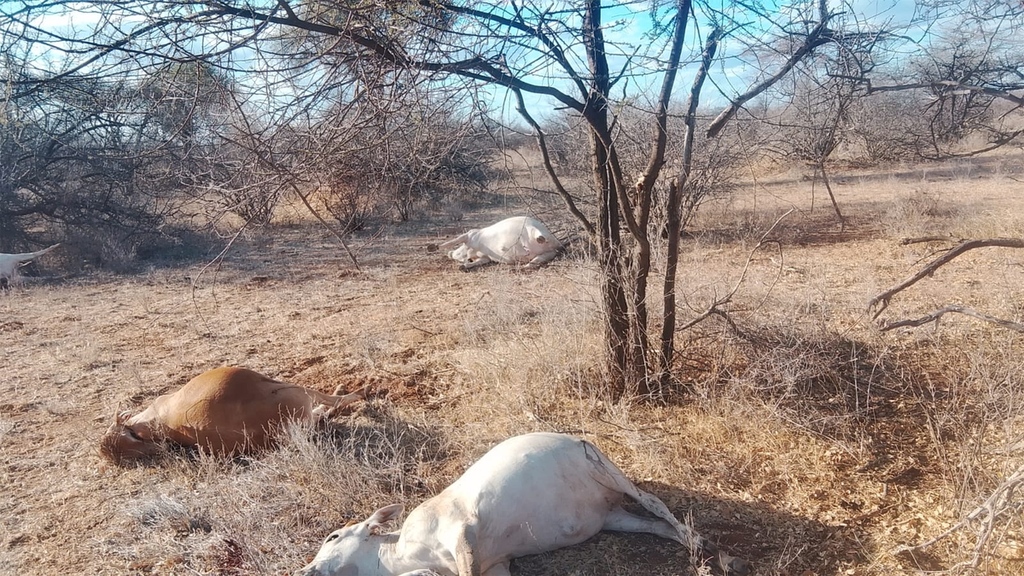
Drylands and communities thrive under pastoralism, not ploughs. Yet communities are now being encouraged—sometimes pressured—to clear indigenous shrubs, grasses, and trees to grow drylands crops, in the name of diversification. These crops routinely fail under erratic rains, leaving both the land and the people devastated. The result? Pasture loss, massive livestock deaths, and escalating poverty.
A Tragedy of Policy: The Drylands of Kenya and the Folly of Forced Crop Farming

This is not development. It is destruction masquerading as progress. Crop farming in ASALs ignores ecological realities:
- Rainfall is insufficient to sustain reliable harvests.
- Rangeland clearing disrupts biodiversity and leads to soil erosion.
- Livestock—the economic and cultural backbone of these regions—are starved of grazing, triggering a spiral of poverty and food insecurity.
Worse still, this policy disregards centuries of indigenous knowledge that has stewarded these landscapes sustainably. In its place, it plants dependency on donor-driven quick fixes misguided ideas and untested technologies.
It is time to call this what it is: a tragedy by design. We must:
- Ban rain-fed crop farming in core pastoralist zones.
- Invest in rangeland restoration, drought-resilient livestock, and mobile water infrastructure.
- Empower community-led grazing systems informed by indigenous expertise.
Let us stop fighting the land and traditional community system but start working with it.
Jarso Mokku is the CEO of Drylands Learning and Capacity Building Initiative and Secretary to the Pastoralist Parliamentary Group Secretariat based in Nairobi, Kenya.
Photo credits: Reuters