Kenya for Kenyans: Reclaiming Our Development Sovereignty
Article by Jarso Mokku, PhD, Chief Executive Officer (CEO), Drylands Learning and Capacity Building Initiative (DLCI)
For decades, Kenya’s development trajectory in the drylands has been shaped by foreign aid. From drought recovery to pastoralist inclusion, donors like USAID and the European Union have played pivotal roles. But that era is ending. And it must.
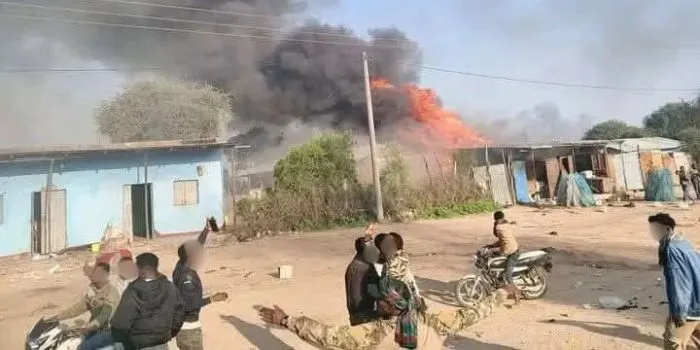
Earlier this year, USAID ceased its global operations following a dramatic shift in U.S. foreign policy. In Kenya alone, the USAID exit resulted in the termination of 72 out of 83 active projects, leaving behind unfinished infrastructure, disrupted livelihoods, and a void in donor coordination. The EU, too, is scaling back, moving to ambiguous financing models. These developments are not just budgetary—they signal a seismic shift in global priorities.
Kenya must now confront a sobering truth: we can no longer depend on external support. The baton must pass to us—Kenyan philanthropists, billionaires, institutions, and communities—to fund and shape our own future.
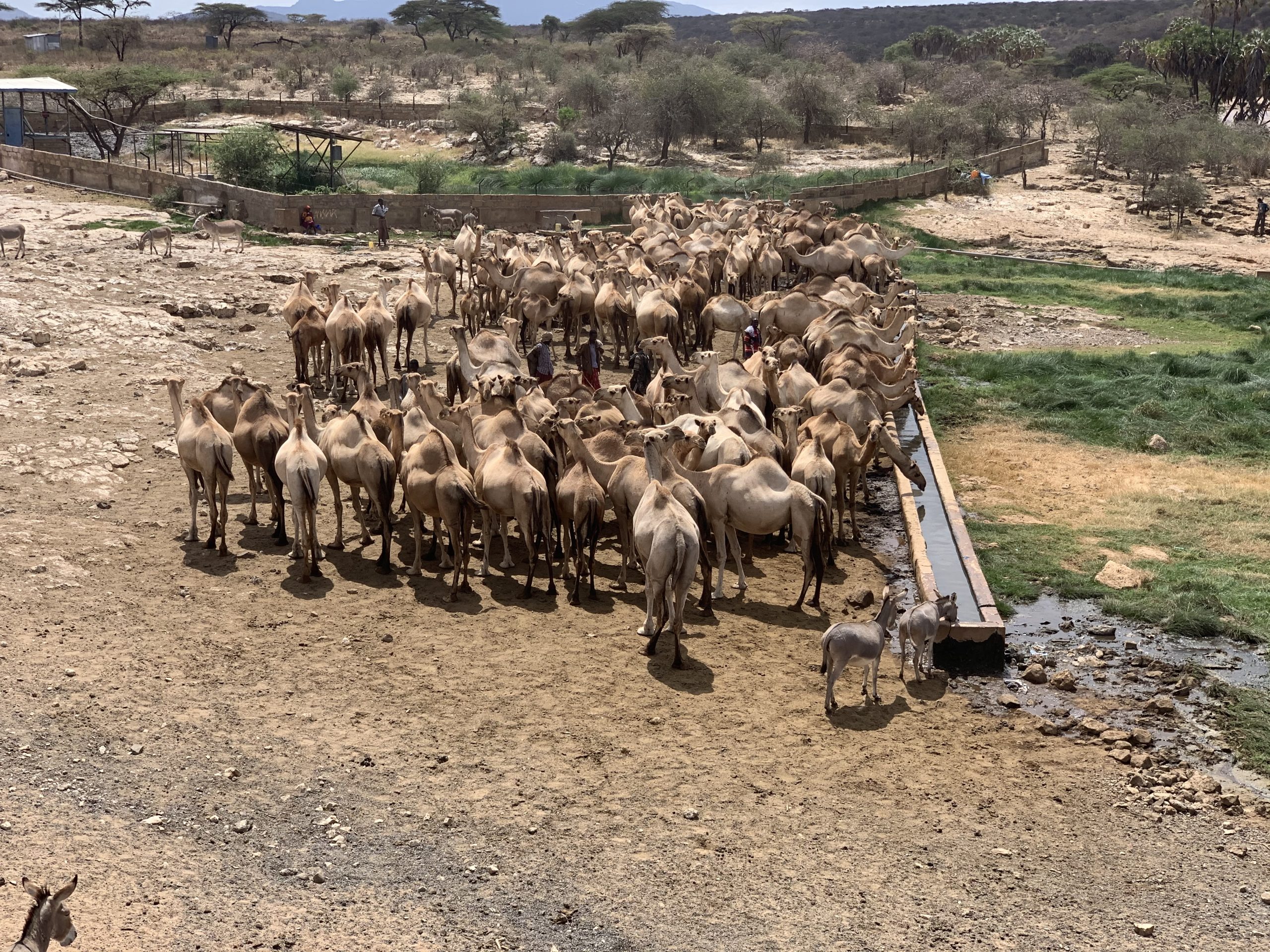
A new era, “Kenya for Kenyans,” has begun, a movement. A declaration that our resilience, our development, and our sovereignty must be locally owned and locally funded. The Drylands, which comprise over 80% of Kenya’s landmass and support millions of pastoralists, have long been underfunded and misunderstood. With its key donor exits, the risk is not just about the funding gap—it left a governance vacuum. We must fill it with bold, homegrown leadership.

A Philanthropy with Purpose: The country’s wealthy must step forward—not as new benefactors, but as co-architects of our transformation. Catalytic funding from local billionaires can jumpstart all stalled projects and inspire confidence in community-led development.
The national government must institutionalize equity in budgeting for drylands and improve access to climate finance. County governments must co-finance community innovations and transfer funds to community institutions to localize resilience investments at the village level.
CSOs must shift from donor-driven models to community-owned networks that foster trust and ethical governance.
Private Sector Engagement: There is untapped potential in pastoralism & drylands economies, including livestock value chains, natural resources, extractives, digital infrastructure, green energies, and insurance markets. The private sector must invest not just for profit but for impact.
To catalyze this shift, the Dryland Learning and Capacity Building Initiative (DLCI) and its policy dialogue partners should soon convene a National Summit on Kenya’s Drylands Sovereignty. This summit will bring together philanthropists, policymakers, community leaders, and innovators to craft a 20-year vision for drylands development—funded and led by Kenyans.
The age of reliance is over. The future must be built by us, for us. “Kenya for Kenyans” is not just a campaign—it is a moral imperative. Let us rise to the occasion, reclaim our sovereignty, and build our nation where no community is left behind.
Feature photo credits: Reuters