Partnerships for Peace – Dignity for All: A Borderlands Reflection on the International Day of Peace
Article by Hillary Kitel, programs and communications officer at Drylands Learning and Capacity Building Initiative
The borderlands that connect Turkana, North Pokot, and Uganda’s Karamoja are places of extraordinary resilience. For generations, pastoralist communities have lived with courage and dignity, navigating harsh climates, porous borders, and recurring insecurity. Yet, these communities often bear the brunt of systemic failures—when governance falters, when investment is absent, and when peacebuilding is reactive rather than preventive.
On this International Day of Peace, under the theme “Partnerships for Peace—Dignity for All,” we are called to reflect not only on the challenges but also on the opportunities for transformation. The Turkana–Pokot–Karamoja corridor is not just a zone of crisis—it is a frontier of possibility, where partnerships rooted in trust, equity, and local leadership can build lasting peace.
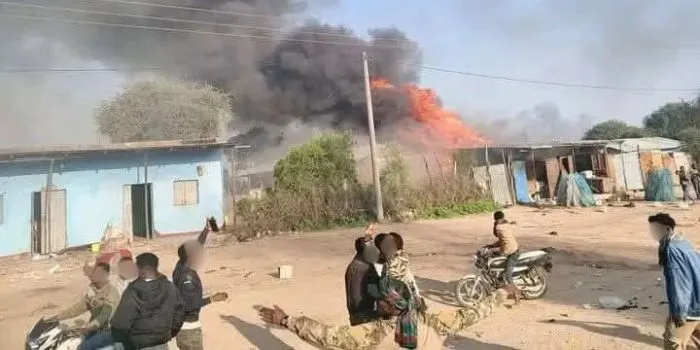
Recent research and field reporting show that the drivers of violence in these borderlands are complex. Climate stress, competition over scarce resources, the spread of small arms, and weak cross-border governance intersect to produce recurrent insecurity. Livestock raids and retaliatory attacks are not isolated events—they are symptoms of deeper structural issues. And yet, the response has too often been reactive, focused on containment rather than prevention.
Across 2024–2025, however, we have seen a shift. County governments, civil society organizations, and regional actors are investing in locally led peace and resilience programs that help communities anticipate climate risks, de-escalate tensions, and rebuild trust. These initiatives are grounded in partnership—between communities and counties, between faith leaders and policymakers, and across borders.

Faith leaders and community groups have played a vital role in calming tensions and fostering social cohesion. The Lorengippi “Pilgrims of Hope” Mass, which brought together communities from Turkana, Pokot, and Karamoja, is a powerful example of how shared spiritual and civic spaces can create breathing room for dialogue and reconciliation. These gatherings restore dignity and open doors for practical cooperation on resource sharing and conflict resolution.
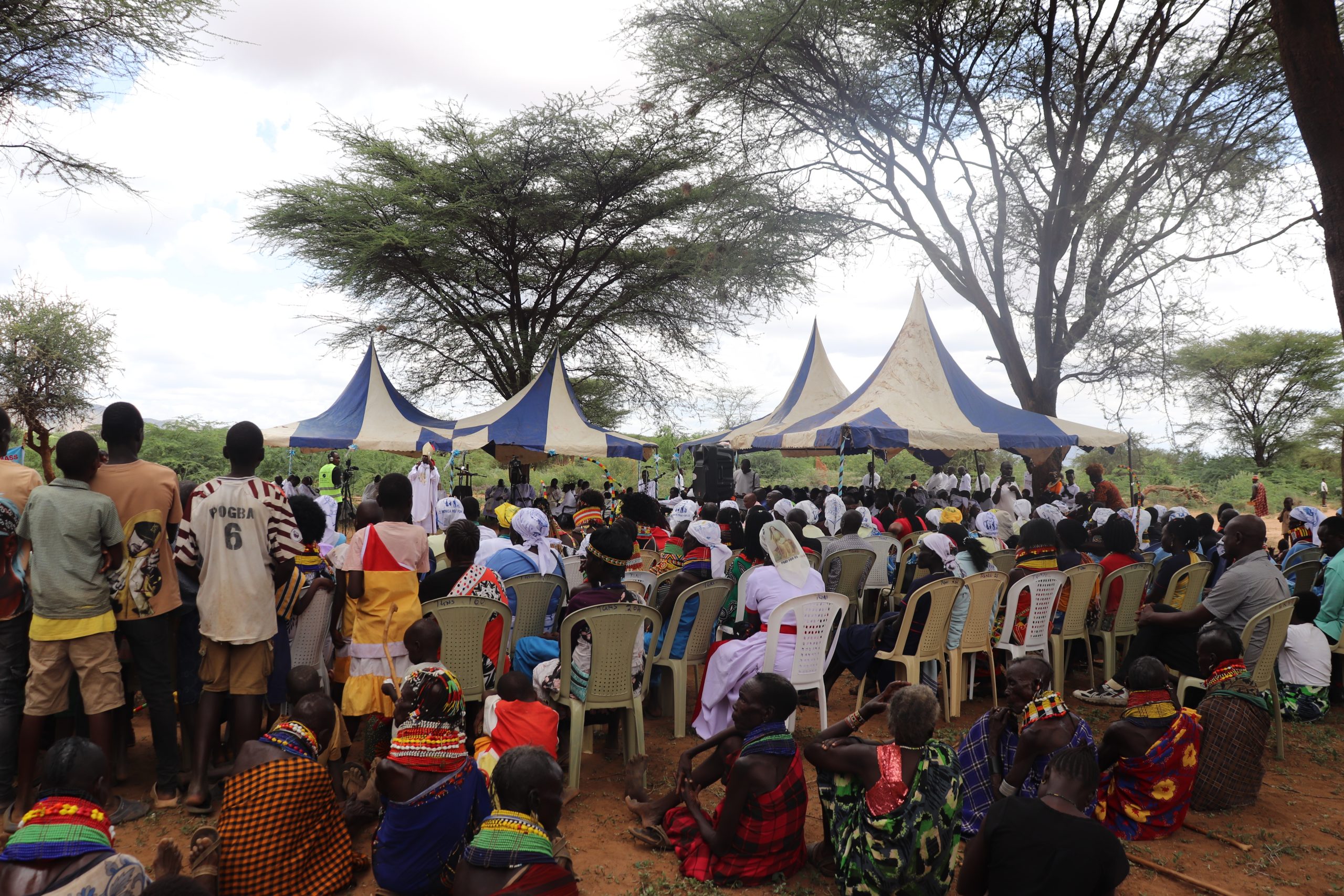
The Cross-Border Peace mass in Lorenkipi, Turkana County. – Hosted by the Catholic church dioceses of Moroto, Kitale and Lodwar
To build durable peace, we must pursue four practical pathways:
- Invest in anticipatory drought risk management systems that deliver timely weather and early-action information to pastoralists. This enables communities to move livestock, protect water sources, and reduce losses before crises escalate.
- Formalize and scale local resource-sharing agreements and cross-border mechanisms that transform “corridors of raids” into corridors of trade and exchange. These agreements must be rooted in community consent and coordinated across counties and nations.
- Accelerate community land registration and inclusive land-use planning to secure grazing areas and attract sustainable investment. Land tenure security is foundational to peace and prosperity in pastoralist regions.
- Pair disarmament and trauma-healing with livelihood alternatives for youth, reducing the economic incentives for raiding and fostering long-term stability.
These approaches must be locally owned and maintained through long-term partnerships. Peacebuilding in the Turkana–Pokot–Karamoja corridor is not a quick fix—it requires patient collaboration between communities, faith and traditional leaders, county governments, CSOs, regional bodies, and private investors. It also demands that national and regional policies prioritise prevention, inclusive governance, and resilient livelihoods over reactive security responses.
The good news is that the ingredients for success are already present. Communities are committed. Local leadership is growing. Pilot programs are showing early wins. What is needed now is sustained support and political will to scale these efforts and embed them in policy frameworks.
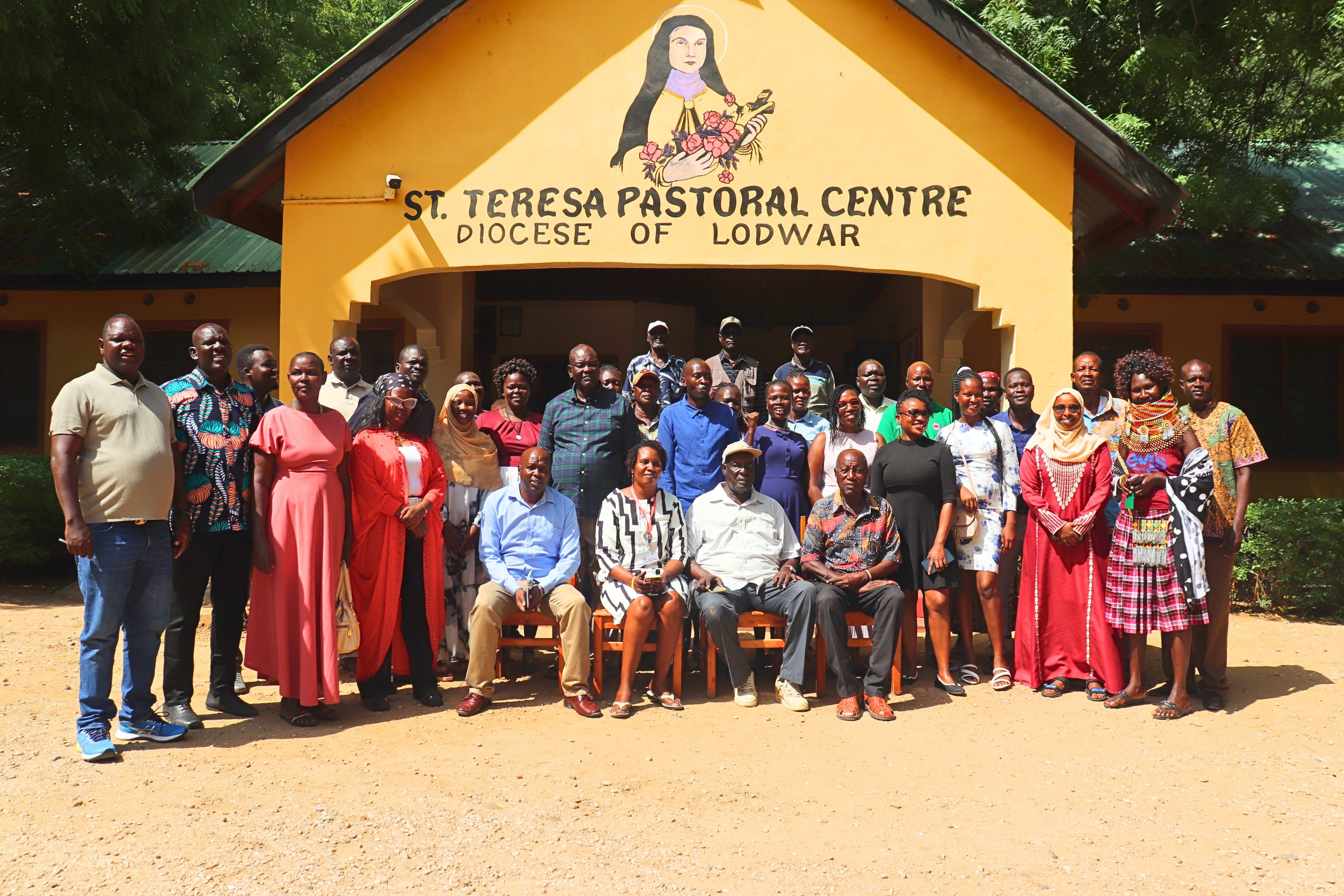
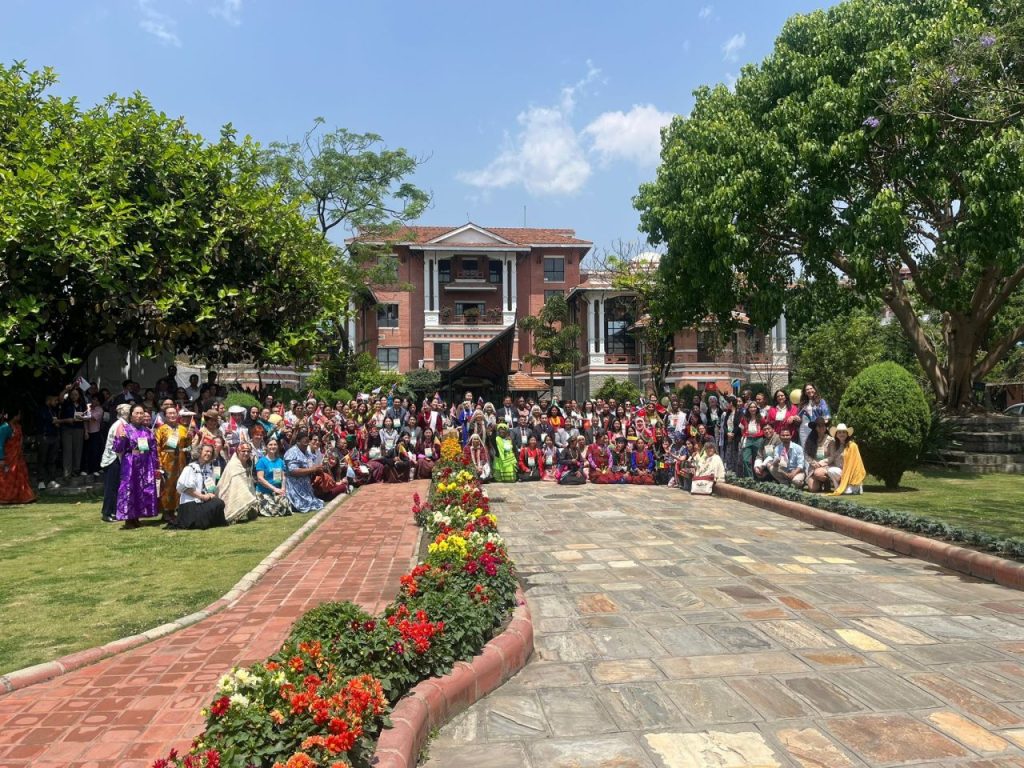
Participants of the local authorities and private sector training on Strengthening Locally Led Solutions Intersecting Peace, Gender, and Climate Challenges in the Borderlands of Kenya, South Sudan, and Uganda
On this International Day of Peace, we celebrate the quiet, persistent work of those who reduce tension, restore dignity, and create space for cooperation. At the Drylands Learning and Capacity Building Initiative (DLCI), we remain committed to walking alongside pastoralists, county officials, and partners to support dialogue, improve climate and weather information services, and amplify the policy reforms that turn loss into long-term resilience.
Peace in the borderlands is possible—when partnerships are genuine and dignity is upheld for all.