From political commitment to results, Pastoralist Kenya is moving forward
by Dr. Jarso Mokku—Chief Executive Office (CEO) DLCI
For decades, the story of Kenya’s drylands has been told through the language of crisis. Drought, conflict, poverty, marginalization, and vulnerability have dominated national conversations about pastoralist communities. However, the latest report by the state department of ASAL on the progress of implementing the resolutions from the Fourth Pastoralist Leadership Summit (PLS) presents a different story; one of progress, increased public investment, and renewed government commitment to unlock the enormous economic and social potential of Kenya’s vast pastoralist regions.
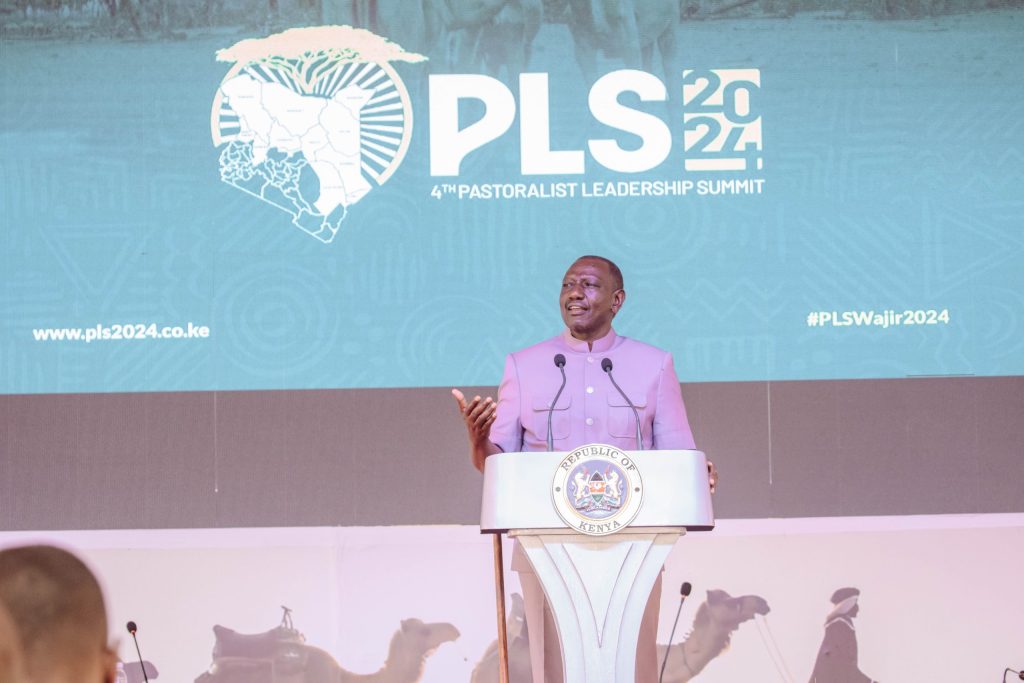
Held in Wajir in December 2024 under the theme “Unlocking Policy and Financing Bottlenecks to Maximize Pastoralism’s Full Potential in Kenya,” the summit brought together government leaders, development partners, private sector actors, and pastoralist communities to identify practical solutions to long-standing challenges. Eighteen months later, the implementation review provides important evidence that many of those commitments are beginning to translate into tangible gains.
Among the most significant achievements is the transformation taking place in infrastructure development. For generations, poor roads have isolated pastoralist communities from markets, services, and investment opportunities. Today, the full financing of the Isiolo-Mandera Road Corridor represents a historic investment that will reshape northern Kenya’s economic landscape. Combined with ongoing investments under the LAPSSET Corridor, new roads are not merely connecting counties; they are connecting pastoralists to national and regional economic opportunities.
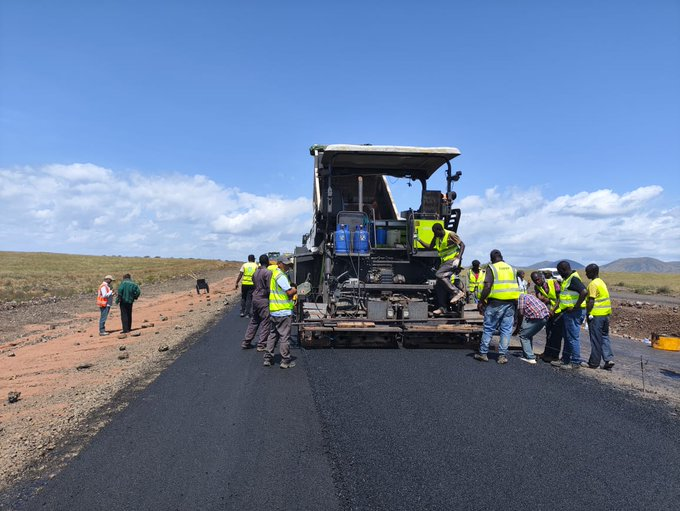
Laying of tarmac on the Isiolo-Mandera Road Photo credits: FCDC
Equally transformative are investments in renewable energy and water infrastructure. The expansion of solar energy systems and mini-grids is bringing electricity to communities that have waited decades for reliable power. At the same time, major water projects and drought resilience programs are helping reduce vulnerability to climate shocks that regularly threaten livelihoods across the drylands.
The livestock sector, often described as the economic backbone of pastoralist communities, is also recording notable gains. The operationalization of the National Livestock Development and Promotion Service (NLDPS) Board marks an important milestone in giving pastoralism the institutional attention it deserves. The commissioning of the Ewaso Ng’iro Tannery and Leather Industry demonstrates growing recognition that livestock is more than a source of meat and milk; it is a value chain capable of generating jobs, exports, and industrial growth. Efforts to revive livestock cooperatives and establish a Camel Centre of Excellence further signal the sector’s increasing strategic importance.

Perhaps one of the most consequential reforms has occurred in the realm of citizenship and inclusion. The abolition of discriminatory vetting requirements for national identity cards in many pastoralist counties addresses a long-standing source of exclusion. For years, young people in northern Kenya faced extraordinary barriers in obtaining identity documents, limiting access to education, employment, finance, and political participation. The introduction of mobile registration services is helping ensure that citizenship rights are no longer determined by geography or ethnicity.
The education sector also offers encouraging signs. Progress toward strengthening institutions that support nomadic education, expanding school feeding programs, and integrating alternative education systems demonstrates a growing understanding that solutions for pastoralist communities must reflect their unique realities. When children in dryland counties have access to quality education without abandoning their cultural identity and livelihoods, the country moves closer to achieving true equity.
The progress achieved in peacebuilding deserves equal recognition. Conflict remains one of the greatest obstacles to development in Kenya’s drylands. The establishment of regional peace structures, investment in dialogue processes, and strengthened cooperation among communities and security agencies are creating conditions for greater stability. Sustainable development can only flourish where peace prevails.
Yet celebrating progress should not obscure the work that remains unfinished.
The report highlights several commitments that are lagging behind expectations. Despite widespread recognition of livestock’s contribution to local economies, county governments have yet to make meaningful progress toward allocating at least 10 percent of development budgets to the livestock sector. This financing gap continues to limit investments in animal health, marketing infrastructure, breeding programs, and value addition.
Similarly, community land registration remains low across many pastoralist areas. Secure land tenure is fundamental to pastoralist production systems, climate resilience, and the attraction of responsible private sector investment. Delays in implementing community land reforms risk undermining gains achieved in other sectors.
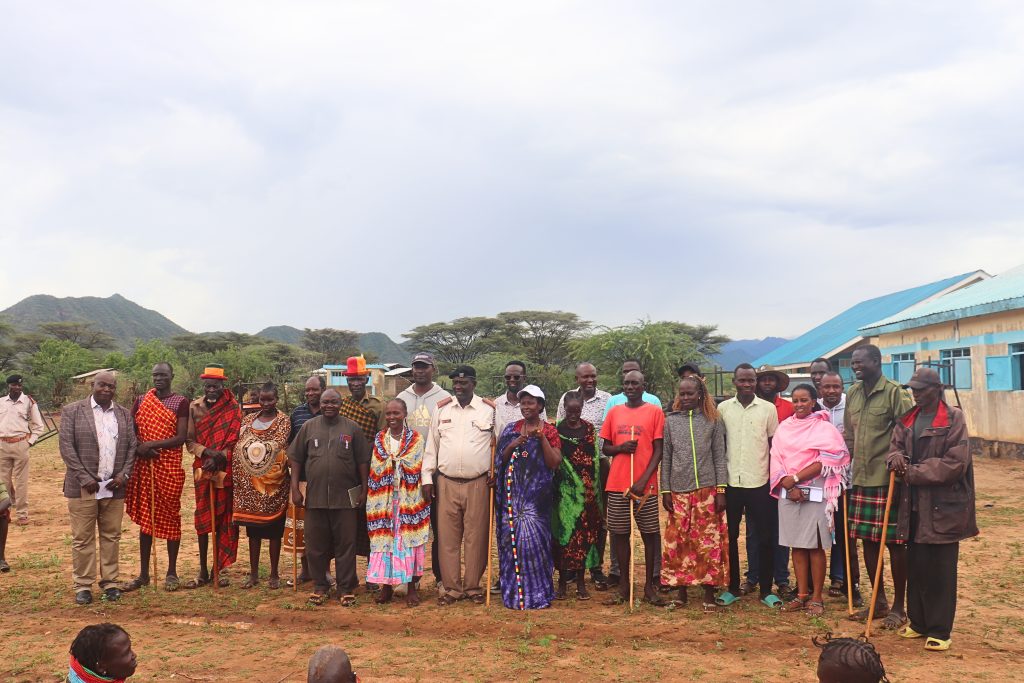
Election of the Lorengippi Community Land Management Committee (CLMC)
The health sector presents another area of concern. While significant progress has been made in education and infrastructure, pastoralist communities continue to face serious challenges in accessing quality healthcare, diagnostic services, and mobile health facilities. Closing these gaps must become a national priority.
Perhaps the most important lesson emerging from the implementation report is that pastoralist development is no longer a peripheral issue. It is increasingly recognized as part of the national development agenda. Kenya’s drylands account for over 80 percent of the country’s land mass and support millions of people whose economic activities contribute significantly to national GDP. Investing in pastoralism is not an act of charity; it is a strategic investment in national prosperity, food security, climate resilience, and social cohesion.
The Fourth Pastoralist Leadership Summit challenged Kenya to move beyond rhetoric and deliver practical solutions. The implementation report shows that important steps have been taken. Roads are being built. Institutions are being strengthened. Citizens are gaining access to important national identification documents. Livestock value chains are expanding. Peace initiatives are gaining momentum.
But success will ultimately be measured not by commitments made or by the number of meetings held to review progress, but by whether pastoralist households experience tangible improvements in their livelihoods, incomes, security, and resilience.
The momentum generated since the Wajir Summit should therefore be sustained and accelerated. Government, county administrations, development partners, private investors, and pastoralist communities themselves must remain focused on converting policy promises into lasting change.
The story emerging from Kenya’s drylands today is not one of hopelessness. It is a story of opportunity. It is a story of resilience. And increasingly, it is a story of results.