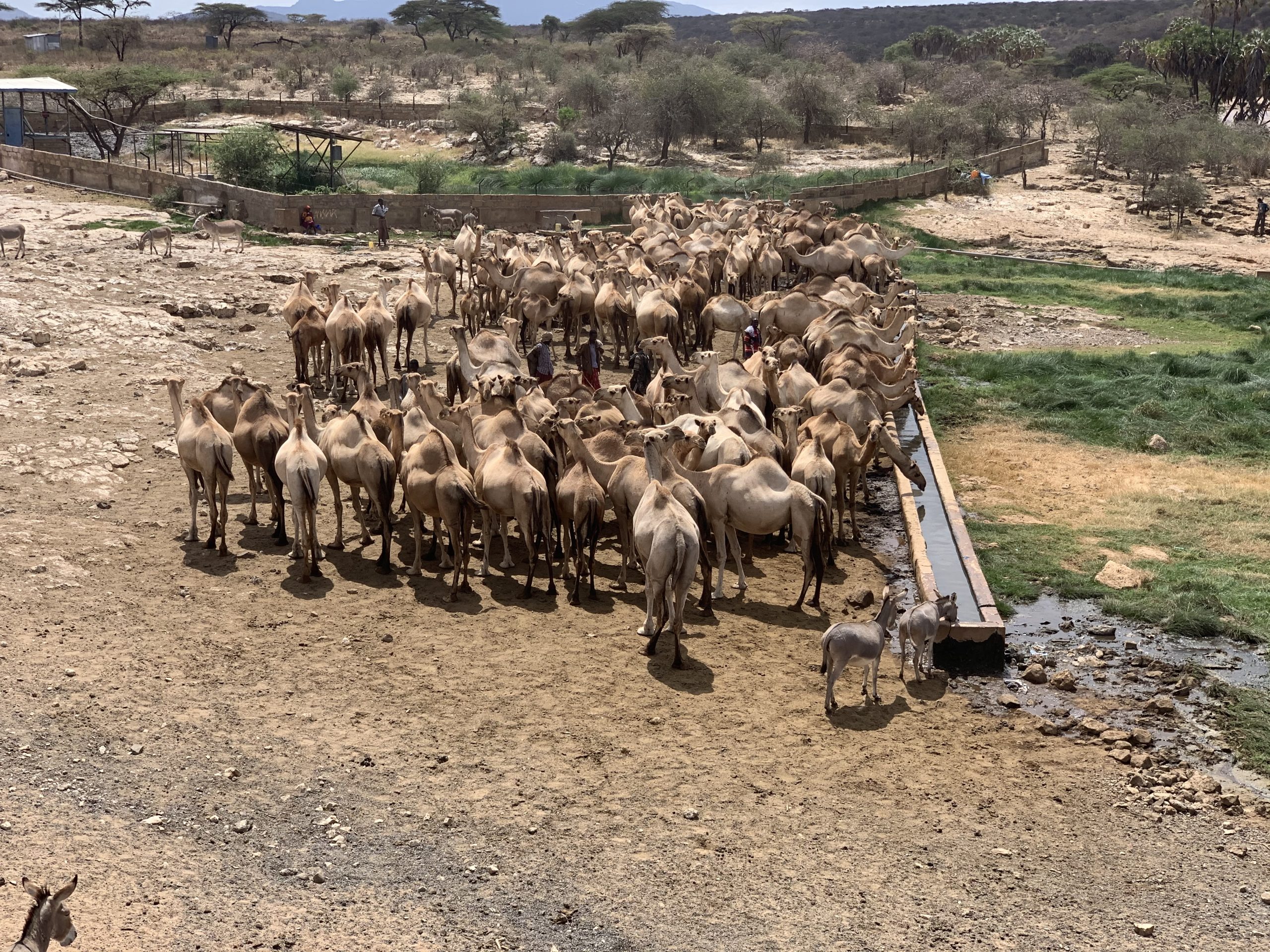
No Animal Should Die of Drought: Why Kenya Must Put Pastoralists at the Center of Policy
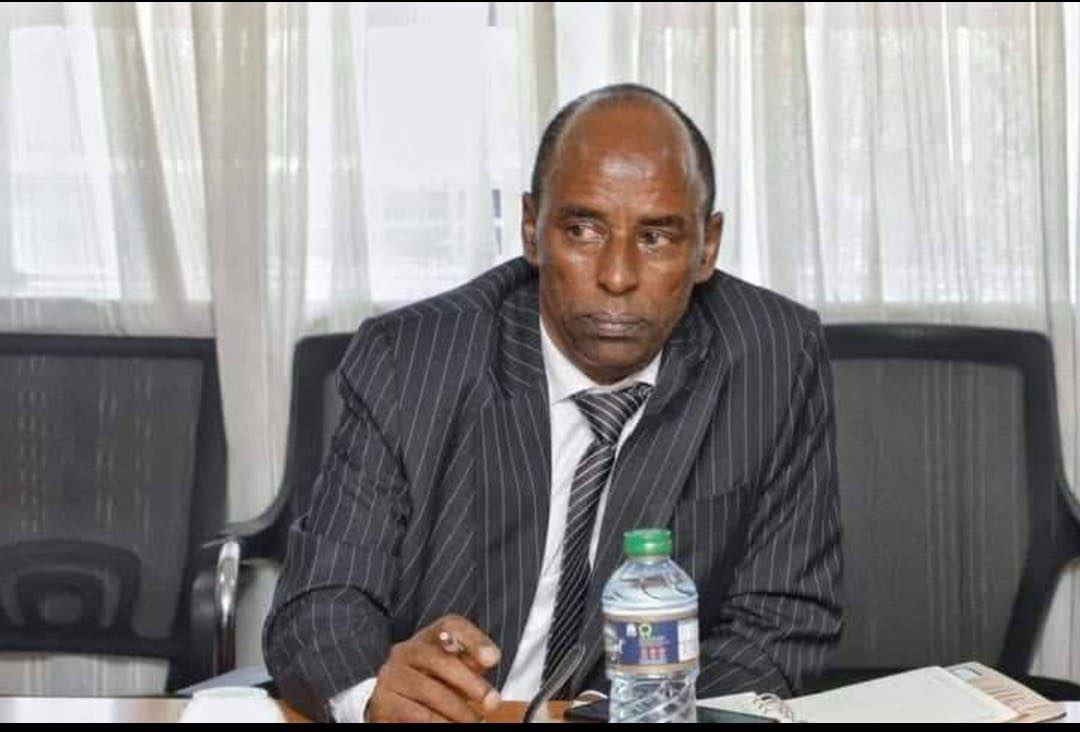
Article by Dr. Jarso Mokku, Chief Executive Officer DLCI
A Preventable Tragedy
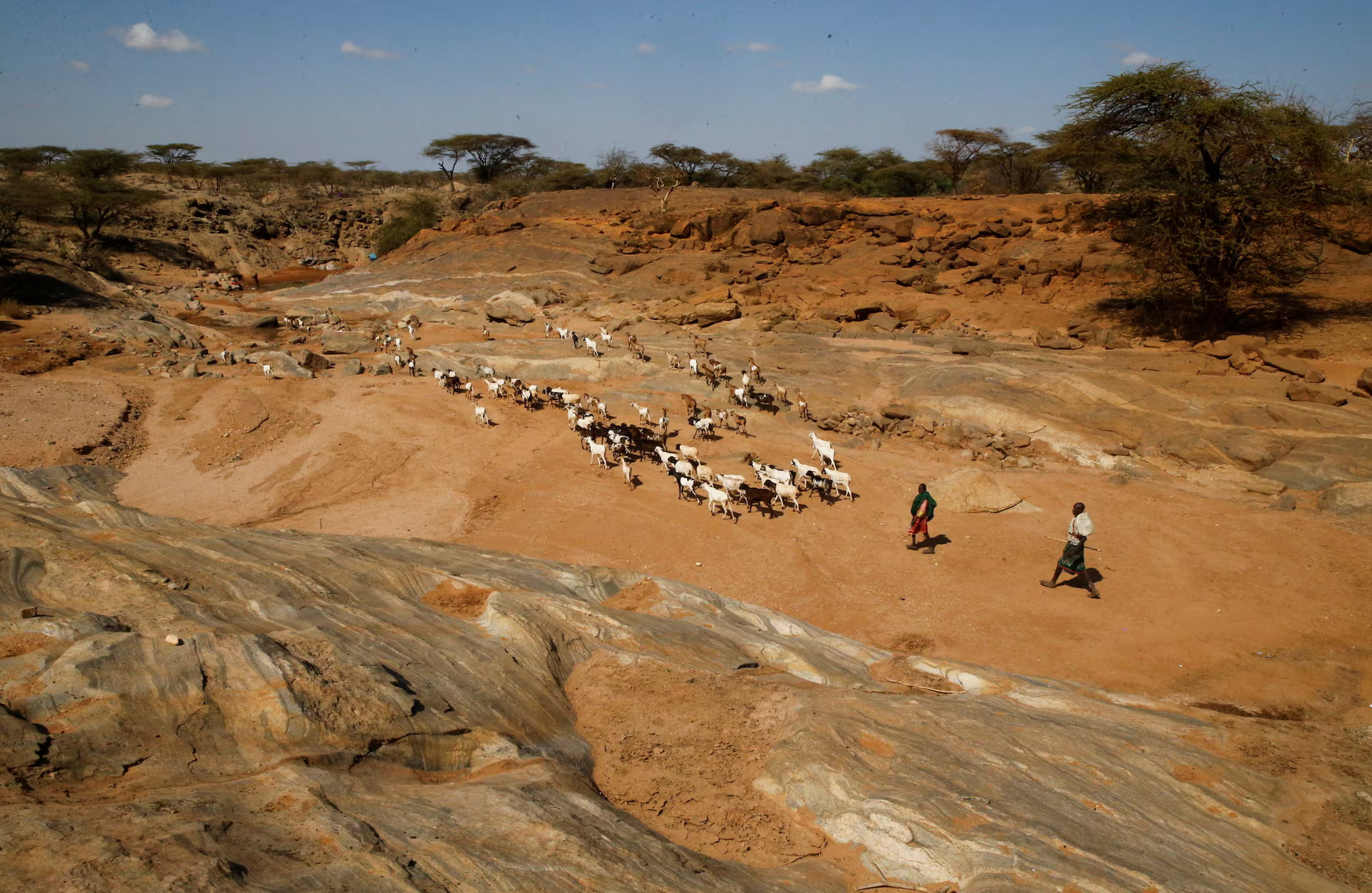
“A herder watches his cow collapse under the sun. For him, it is not just an animal—it is school fees, food, and hope.”
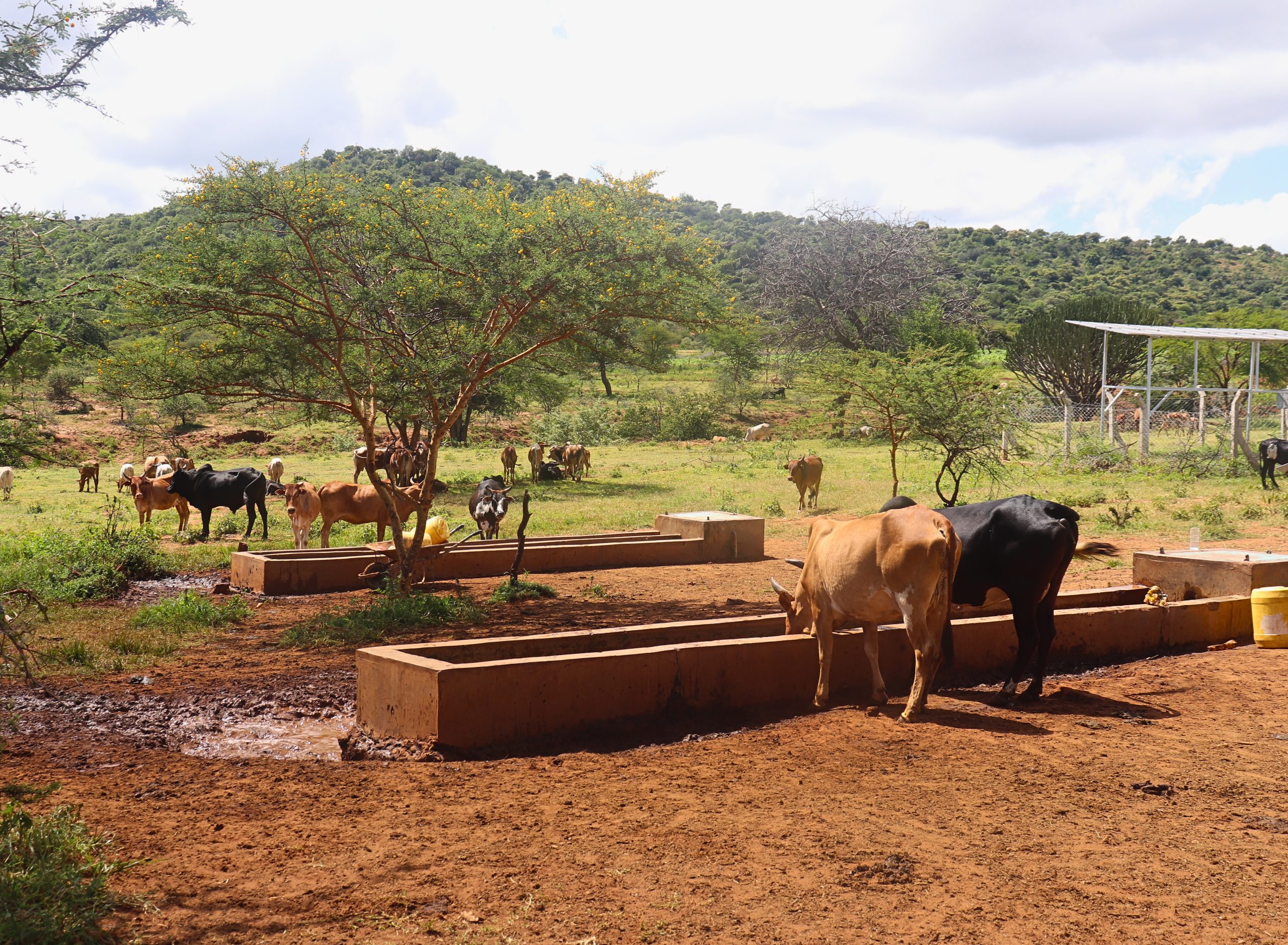
As of January 2026, Mandera County is classified in the “Alarm” drought phase by the National Drought Management Authority (NDMA). Multiple failed rains and La Niña have left the situation critical. This tragedy repeats across Kenya’s drylands, yet it is preventable.

The Backbone of Kenya’s Drylands
Kenya’s drylands cover nearly 80 percent of our territory and sustain millions. Pastoralism contributes significantly to GDP and exports, yet pastoralists remain marginalized in planning. The Drylands Learning and Capacity Building Initiative (DLCI) has identified four urgent pillars to break this cycle and unlock pastoralist economies.
- Social Inclusion Is Justice
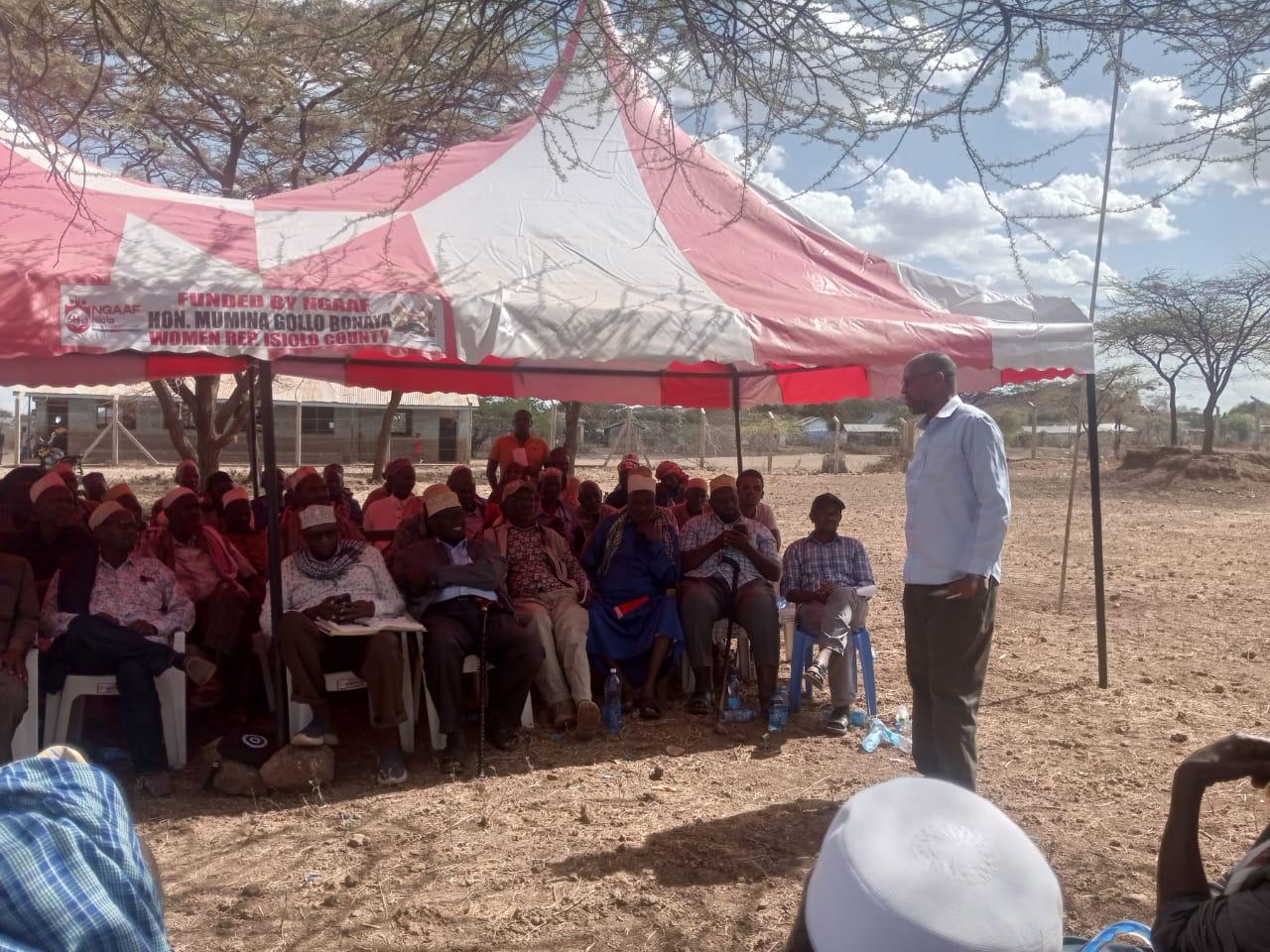
Women, youth, and borderland communities are too often excluded from decisions, yet they are the backbone of resilience. Women manage household economies and peacebuilding; youth drive innovation; borderland communities bear the brunt of resource conflicts. “Inclusion is not charity. It is justice.” - Economic Growth Must Embrace Pastoralism
For decades, pastoralism has been dismissed as “traditional” and risky. In reality, livestock is a multi‑billion shilling sector sustaining over 10 million Kenyans. With the Livestock Bill operationalized, pastoralism can shift from subsistence to structured, commercially viable markets. Dryland economies—from meat processing to hides and skins—can thrive if infrastructure and market access are prioritized.
“Economic growth is not possible without pastoralism.” - Land Rights Are Not Optional
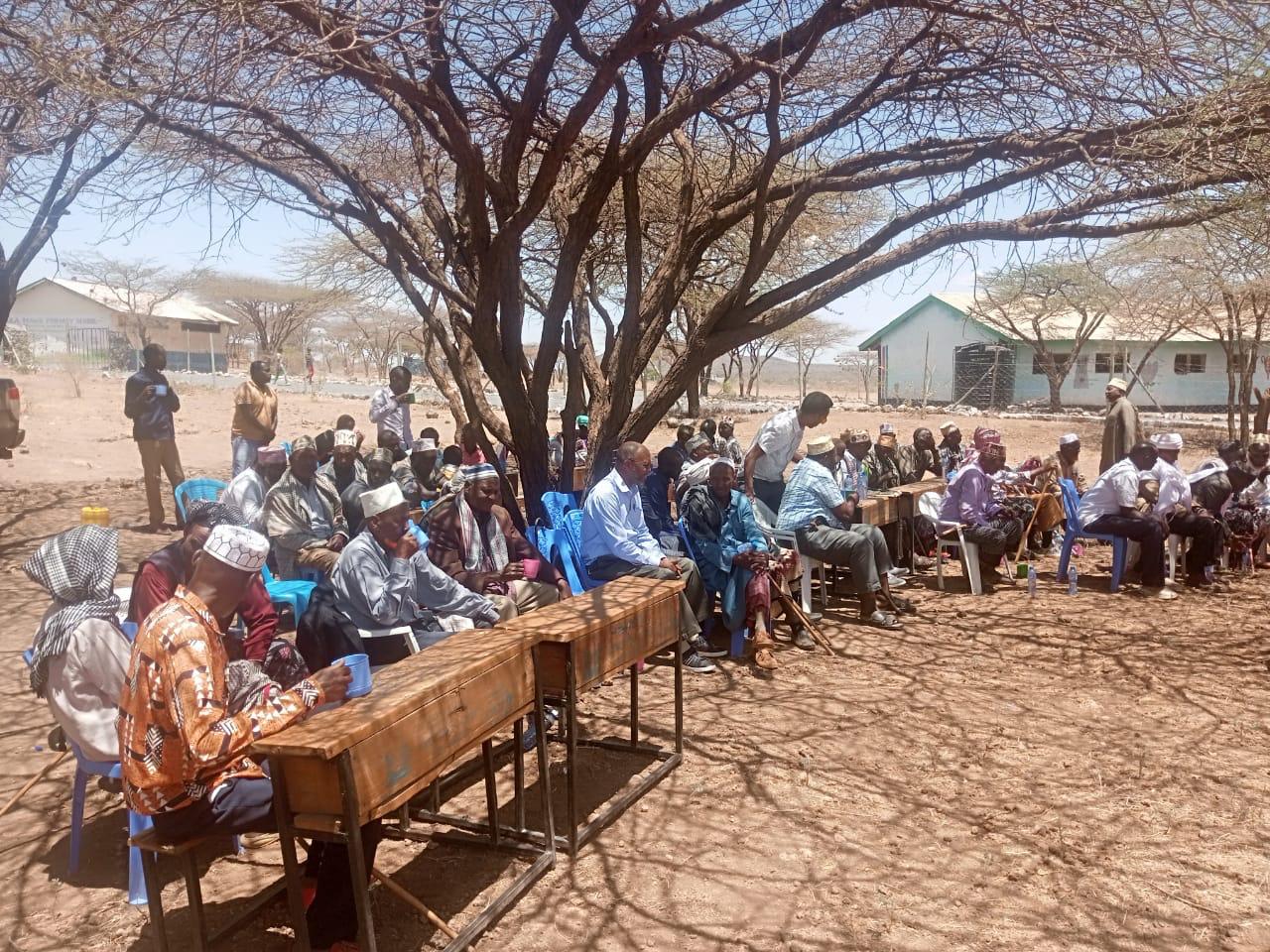
The Community Land Act of 2016 promised protection, but implementation has stalled due to lack of funding. Communities cannot wait while bureaucratic delays erode trust and fuel conflict. Secure land rights are about dignity, stability, and investment. DLCI works with elders and Community Land Management Committees to document rights and press the government for action. - Climate Adaptation Is Non‑Negotiable
“No animal should die of drought in Kenya” is more than a slogan—it is a moral imperative. The Ending Drought Emergencies (EDE) framework must be funded, with rapid deployment of water, fodder, and veterinary support. Drought should no longer mean devastation; it must be met with preparedness and resilience.
“Climate adaptation is not negotiable.”
DLCI’s Role in Parliament
As the technical Secretariat of the Pastoralist Parliamentary Group (PPG), DLCI ensures MPs speak from evidence, not emotion. By bridging scientists at ILRI with lawmakers in Nairobi, DLCI makes sure pastoralist priorities are grounded in data and community voices, not lost in partisan politics.
The National Choice
Kenya must decide: will we continue to watch animals die and communities collapse, or will we invest in resilience? Pastoralist survival is Kenya’s survival. If we fail to act, we risk economic stagnation and social fragmentation. If we succeed, pastoralism becomes a cornerstone of national prosperity.
The time for half‑measures is over. Kenya must invest in pastoralists—not tomorrow, but today.
https://jameelobservatory.org/
https://www.sparc-knowledge.org/