Jarso Mokku is the CEO of Drylands Learning and Capacity Building Initiative (DLCI) and Secretary to the Pastoralists Parliamentary Group (PPG) Secretariat based in Nairobi, Kenya.

Drylands Learning and Capacity Building Initiative (DLCI) extends its heartfelt appreciation to Hon. Peter Losu, Member of County Assembly Representing Ngaremara Ward In Isiolo County, and Hon. Kelvin Lemantaan, Member of County Assembly representing Uaso Ward, Samburu County, for their commendable peace efforts in Isiolo and Samburu Counties. Your leadership stands as an inspiration to fellow pastoralist leaders in advancing peace and unity across Kenya’s drylands.
Article by Dr. Jarso Mokku , PhD, CEO, Drylands Learning and Capacity Building Initiative (DLCI)
Devolution is undermining trust, confidence, and accountability in the drylands: pastoralist leadership and local communities must take action to restore the promise.
On 27 August 2010, the late Mzee Mwai Kibaki, then the 3rd President of Kenya, launched the new constitution with great fanfare. The entire country was electrified, reminiscent of the feeling on 12 December 1963 when Kenya officially gained independence, ending decades of British colonial rule that began in the late 19th century. Among the most celebrated achievements was devolution, which was meant to promote equity, inclusion, and local empowerment. However, for many local people observing reality on the ground, it has instead become a harsh system marked by deeper, entrenched impunity.
What was intended to dismantle centralised power abuses and neglect of Kenya’s drylands communities has instead become more ruthless local fiefdoms, where elected governors operate with almost complete autonomy and minimal accountability. Twelve years is enough time of experience for the people in Kenya’s drylands to unite and reclaim the true promise of devolution. The moment of truth has arrived to honestly confront the perpetrators of devolution—not just by naming them, but by dismantling and reforming the systems that allow them to seize and cling to power.

Each year, the Auditor General’s reports for each county present a bleak picture of county government practices, where billions are misappropriated with impunity, tenders are awarded to cronies, and public participation is reduced to a mere tick-box exercise. In Kenya’s drylands, where the most historically marginalised people reside, the promulgation of the 2010 Constitution and the launch of democratic devolution in 2013 marked a significant turning point for the people in the drylands counties, with great hope and high expectations for transformation.
However, many elected county leaders (executive & legislative) have failed to meet the people’s expectations. Rather than driving transformative change, these Counties are mostly dominated by self-serving politicians who prioritise their own self-interests over public service. Young people, minority groups, and women, who were meant to be at the heart of and benefit from the new devolved system promise, remain severely underrepresented and underserved. Health, education, livestock sector development, public services and infrastructure services are inconsistent and often substandard in many areas.
Nonetheless, this does not mean that devolution is hopeless; it can be salvaged. Further, deeper reforms are possible; however, realising actual progress may require stronger national government political will, actively engaged grassroots community oversight, institutional bravery, and the courage of all Kenyans to speak out and take collective action to address accountability issues. It is time to test and harness the power of citizen creativity, rebuild from the ground up, and renew the promise of devolution.
Citizens must demand a full forensic audit and transparency in the decade-lost devolution promise and set high standards of scrutiny for their elected representatives. Citizen oversight must establish strong integrity platforms that fully hold officials accountable in handling and using public resources. Regulatory agencies should respond to citizens’ distress calls with urgency and resolve.
Additionally, the governments in Kenya at both levels must be fully sensitised to learn and uphold high standards of accountability and operate within public oversight scrutiny. This expectation is not only aspirational; it’s embedded in Kenya’s legal and constitutional framework, notably, the County Oversight and Accountability Act (2021), which promotes public participation & citizen oversight. As outlined, Chapter 15 – Constitutional Institutions and independent bodies, including the Auditor-General, Ethics and Anti-Corruption Commission, and the Controller of Budget, are designed to act as watchdogs over public resources.
Kenya’s President, HE Dr. William Ruto, has kick-started the spark that put on the platform a national debate on corruption with a bold claim: that some parliamentary oversight committees have become extortion networks. The President asserts that parliamentary committees have a welfare chairperson whose role is to demand and collect bribes from Cabinet Secretaries, Governors, and other government officials in exchange for favourable reports or silence on accountability issues that require responses. If the President’s claims are proven true, it shows that corruption in Kenya is not only widespread, but it is deeply embedded within the state oversight mechanisms, too.
Nevertheless, it is Kenya’s moment. The President’s daring statement must lead to a genuine expected change; it should not be easily dismissed as mere words of political self-interest. The public deserves transparency of the truth, and the state institutions – whether Parliament, the Executive, or the Judiciary – must be held accountable. It is the right time to push for more reforms, so that citizens can truly reclaim and benefit from the promise of devolution. The fight against corruption must be vigorous, fair, and relentless.
Devolution was never meant to be perfect, but it was to be transformative. To reclaim the lost promise of the decade, Kenyans must now act quickly to confront the butchers of devolution – not just by naming them, but by dismantling the ideas, connections, and systems that enable them to seize and cling to power.
The adoption of Kenya’s 2010 Constitution was celebrated as a beacon of hope for Kenya’s drylands, which the post-colonial centralised power structure had long neglected. Devolution must strive to deliver genuine, equitable resource distribution, inclusive governance, and a dignified voice for the pastoralist and drylands communities. Today, dryland all counties stand as cautionary tales—where the dream of equality, inclusive development and local empowerment has been hollowed out by graft, nepotism, and impunity.
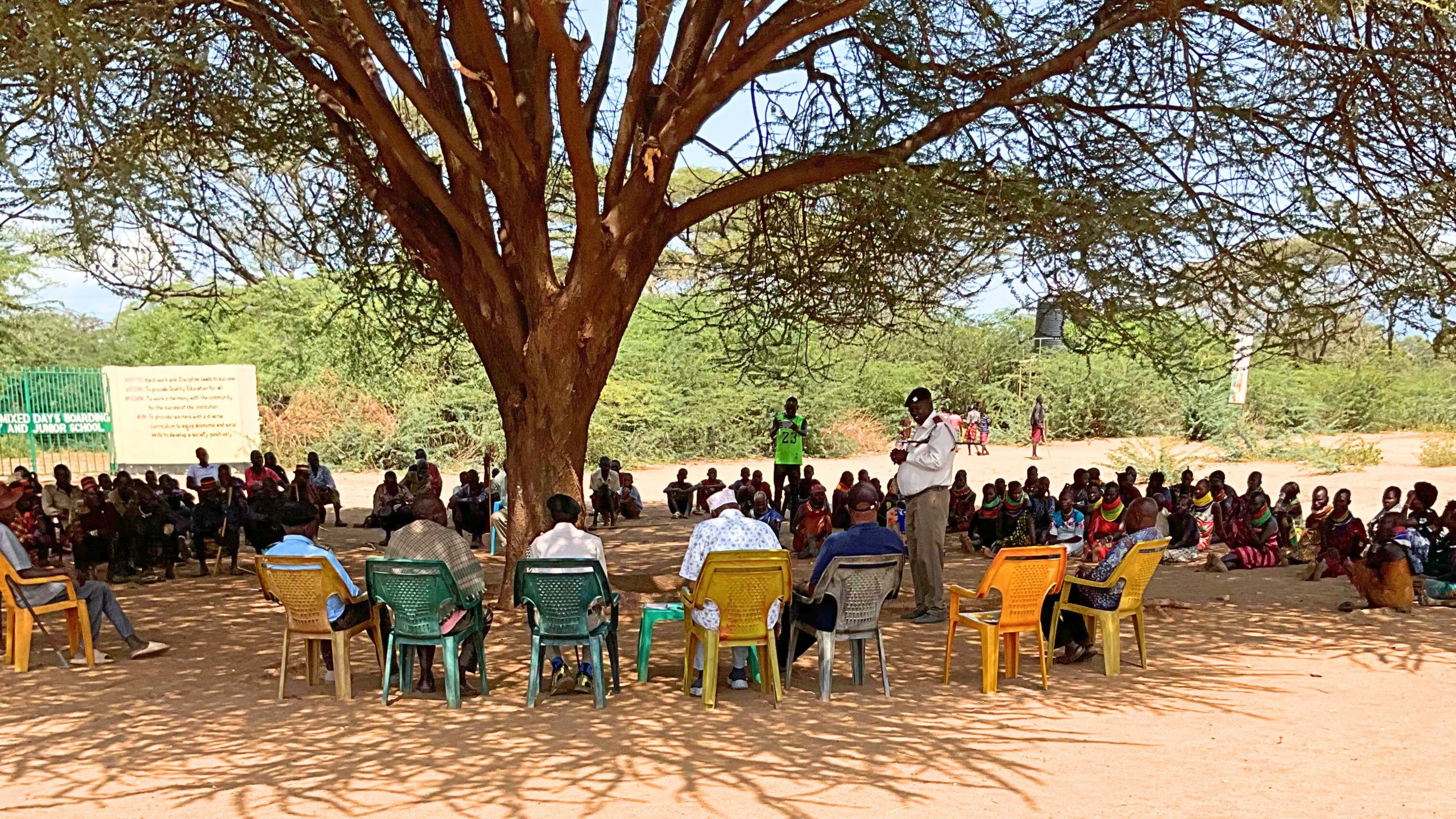
Devolution’s Unfulfilled Promise- County Governments were meant to dismantle the old patronage networks and give their communities direct control over development priorities. Instead, elected governors’ choice to spawn a parallel power centre, each like a “mini-state”, where they wield unchecked authority over public authority and resources in their counties.
Numerous national audits and oversight authorities reveal repeated patterns of ghost projects, inflated tenders, and cronies lining up at the public trough. County assemblies’ attempt to demand County Executive accountability has practically ended in it being dismantled or compromised. Citizens who once voted for transformative change now watch their children attend half-built schools, dry hospital shelves and wait for drinking water from empty taps indefinitely.
This rot is not accidental; it is structural. Key oversight bodies—county assemblies, the Ethics and Anti-Corruption Commission, the Auditor-General, even the Senate—lack the authority and political will to do the right thing. When impeachment motions surface, the members of the County Assembly sponsoring the motion are defanged by partisan alliances. When court orders curb rogue funds, executives reroute budgets or invoke the national security system to dodge the compliance. Meanwhile, the drylands remain on the brink; Climate shocks, growing chronic poverty, and inter-communal tensions already stretch pastoralist lives to the breaking point.
Devolution’s system malfunction has compounded these stresses: Essential health and water services grind to a halt when counties await delayed national allocations. Land conflicts flare as speculators exploit weak county regulations and unregistered community territories. Meanwhile, civic platforms meant to amplify rural community voices are starved of funds or co-opted by county elites linked to rogue elected officials and politicians. Without urgent reform, the drylands risk becoming zones of perpetual humanitarian crisis rather than engines of resilient and sustainable livelihoods.
Kenya’s devolution experiment commands international attention because it embodies hopes held by many emerging democracies. It has global stakes and shared responsibility for all stakeholders. Donors and development partners continue to pour billions of shillings into county fiscal transfers and capacity-building programs. Yet the returns on investment in the drylands lag far behind national averages. Climate funds, sustainability initiatives, and the Sustainable Development Goals all hinge on robust local governance. When devolution falters in Kenya, the lessons reverberate across Africa, Asia, and Latin America.
Reclaiming the devolution dream demands a dual strategy of rigorous accountability and visionary leadership. We should chart a path to renew the old and reform the new.
1. Constitutional Audit– Convene an independent commission with representation from civil society, faith groups, and academia to review the past 15 years of devolution, identify loopholes, and recommend reforms.
2. Community-Led Oversight Networks– Support pastoralist cooperatives and local watchdog coalitions with digital tools for open budgets, real-time project tracking, and crowd-sourced grievance reporting.
3. Revitalised Inter-Governmental Mechanisms-Empower the Inter-Governmental Relations Technical Committee -IGRTC with financial autonomy and a binding mediation mandate to resolve disputes swiftly.
4. Global Partnership Pacts– Develop targeted funding agreements where international donors tie grants to transparent procurement benchmarks and measurable service-delivery outcomes in the drylands.
Kenya’s drylands are at a pivotal point. The drylands narrative, leadership failures and government actions can either continue to persist in the neglect space and despair, or it must transform to forge a new model for how local systems can empower the world’s most marginalised communities.
The people of Kenya’s drylands must unite to assess the impact of failing devolution on them. Collectively, they should begin to be direct and resolute in demanding full accountability, rebuild community-led institutional capacity, and create clear responsibilities for new leadership in 2027. Only then will the potential of devolution—equity, participation, and shared prosperity—fulfil its full promise, just as it seems to have done on that historic day in August 2010 when the new constitution was launched with much great fanfare by all in Kenya.
Article by Dr. Jarso Mokku, PhD, Chief Executive Officer of the Drylands Learning and Capacity Building Initiative (DLCI).
On this year’s International Day for the World’s Indigenous Peoples, we honor the mobile pastoralists, camel herders, and cattle keepers of Kenya’s drylands—Indigenous Peoples and Local Communities (IPLCs) whose centuries-old systems of mobility, land stewardship, and cultural governance are vital to biodiversity conservation and climate resilience.
These communities are not merely stewards of the land—they are architects of ecological harmony, champions of drylands food systems, and custodians of sustainable coexistence.
Pastoralism: A Living System of Ecological Harmony
Pastoralist mobility is a scientific conservation model that promotes rotational grazing and seasonal migration, prevents land degradation, and encourages rangeland regeneration. It maintains wildlife corridors and ensures ecosystem balance through traditional ecological knowledge that guides grazing patterns, water harvesting, and seed preservation.

Livestock Diversity
Kenya’s drylands are home to Indigenous breeds such as Somali camels, Small Gabra camels (Chalbi Desert), Red Maasai sheep, Galla goats, and Boran cattle, which are genetically adapted to arid conditions. These breeds enhance biodiversity, food security, and climate resilience.
Water Wisdom
Many pastoralist practices deserve global recognition and celebration. Examples include Borana singing wells, drought-resistant “laggas,” water reservoirs, and earth pans, which support fragile ecosystems and alleviate pressure on limited water sources. These systems showcase profound hydrological understanding and community-driven water management.
Indigenous Governance and Stewardship
In centuries, Customary Institutions, the power of elders’ councils, and age-set systems have regulated access to land and resources, ensuring equity and ecological balance. Pastoralists have maintained, without policy support, the sacred sites as exclusive “Conservation Zones” for fragile spots and grazing reserves and sacred landscapes that continue to protect biodiversity hotspots from overuse and exploitation.
Conflict Resolution Mechanisms
intercommunity dialogue-based systems rooted in reciprocity that maintain peace and coexistence across shared landscapes between people and wildlife.
Pastoralism is a Global Model for Climate Resilience
Pastoralists are dynamic innovators whose knowledge systems support ecosystem-based adaptation strategies endorsed by the UNFCCC- (United Nations Framework Convention on Climate Change) and CBD (Convention on Biological Diversity). Their practices provide nature-based solutions to restore degraded lands, develop resilient systems that transform community lives, promote peace, conserve natural resources, increase carbon sequestration, and foster inclusive governance.
Examples of Scalable Impact:
The Northern Kenya Rangelands Carbon Programme, the world’s largest soil carbon removal project, is a groundbreaking initiative that links climate action with community development and rangeland restoration, covering 1.9 million hectares (4.7 million acres) and expected to remove 50 million tons of CO₂ over 30 years, equivalent to emissions from over 10 million cars. Over USD 14.6 million has already been earned by local communities from their carbon credit sales. This project supports livelihoods, biodiversity, and peacebuilding in a region historically affected by resource-based conflict.
Numerous women-led initiatives in Kenya’s drylands are aiming to revitalize seed banks and promote knowledge about medicinal plants, connecting biodiversity with nutrition and health. Moreover, Pastoralist Youth Networks are leveraging digital platforms to map grazing routes and preserve oral histories, integrating tradition with modern technology.
To truly honor pastoralist contributions, the world must recognize, protect, and invest in pastoralism and dryland economies. First, in Kenya, we can start with securing the community land rights through registration and legal reforms, embedding Indigenous governance systems into our national conservation frameworks, and integrating pastoralist knowledge into biodiversity and climate policy actions. The world needs to create a global fund that deliberately invests in Indigenous peoples and local communities (IPLC)-led innovations that blend tradition with science for scalable impact.
Kenya’s Drylands: Landscapes of Knowledge and Resilience
Kenya’s drylands are not barren—they are vibrant cultural and ecological spaces. Pastoralists are the heart of these landscapes. As we recognize them as Indigenous Peoples and global partners in conservation and food security, the most powerful tribute is to amplify their voices, protect their rights, and invest in their leadership—without waiting for formal policy or international endorsement.
Let us honor pastoralists not as relics of the past, but as architects of a sustainable future.
By Bilach Jimale, Programmes Manager, Drylands Learning and Capacity Building Initiative (DLCI)
Overview
Efforts to promote gender equality in pastoralist communities across Northern Kenya and the Horn of Africa often falter due to misaligned strategies that overlook the centrality of religious beliefs, traditional authority, and socio-cultural norms. While well-intentioned, such interventions risk being perceived as externally imposed, eroding trust and undermining community ownership.
Contextual Background
Pastoralist Contribution: ASAL regions cover 80% of Kenya and support 60% of national livestock production, directly sustaining over 6 million households.
Women’s Role: Pastoralist women—numbering in the tens of millions across Ethiopia, Somalia, and Kenya—are vital to livestock economies but face systemic exclusion from decision-making, education, and healthcare.
Gender Dynamics: Traditional roles often limit women’s formal agency but contain embedded forms of influence, such as control over milk, informal trade, and household decision-making, that are frequently overlooked by conventional equity frameworks.
| Pitfall | Description |
|---|---|
| Universal Frameworks | Lack of ground-truthing leads to misalignment with local realities. |
| Ignoring Community Gatekeepers | Religious and traditional leaders are bypassed, triggering resistance. |
| Top-Down Models | Prescriptive interventions alienate communities rather than empower them. |
| Western Definitions of Empowerment | Concepts like “equality” may not resonate with local values or lived experiences. |

These missteps can diminish impact, harden resistance, and even unintentionally harm women’s real standing in society.
Strategic Recommendations
Deep Contextual Analysis: Conduct localized gender and political economy assessments. Map religious and customary laws that shape gender relations.
Engage Religious and Traditional Leaders:Partner with progressive Imams, Sheikhs, and elders. Frame gender equity as aligned with moral obligations such as justice and family welfare.
Promote Participatory Design: Let communities define gender equity in their own terms. Strengthen indigenous mechanisms for justice and resource management.
Leverage Existing Female Agency: Support women’s roles in livestock trade, milk processing, and informal governance, building on culturally accepted spaces of influence.
Avoid Imposition, Foster Dialogue: Facilitate community-wide conversations on gender roles and aspirations. Encourage gradual norm shifts through consensus-building.
Invest in Local Capacity: Equip women’s groups and youth networks with culturally relevant advocacy tools. Support CSOs to become internal champions of equity.
Conclusion
Achieving true gender equity in pastoralist areas demands more than policy—it requires humility, cultural fluency, and strategic engagement. Rooting interventions in local realities and values fosters inclusive development that uplifts women without alienating communities. This is not only a development imperative—it is a moral one.
Photo Credits: Samburu Woment Trust (SWT)
Article by Jarso Mokku, PhD, CEO, Drylands Learning and Capacity Building Initiative.
In Kenya’s vast and resilient drylands, a subtle change is unfolding; one community at a time is taking bold steps through the demand for the issuance of community land title deeds. Communities traditionally excluded from formal land ownership are now asserting their ancestral rights, enabled by the 2016 Community Land Act. This significant law, aligned with the constitutional timeline and backed by the Pastoralist Parliamentary Group, represents more than just land rights; it embodies dignity, independence, and the authority for communities to govern themselves once again.
The first beacon of this transformation was lit in Garissa County, where the Kamuthe community became the first former trustland group to receive a community title deed. Their journey from legal invisibility to recognized ownership set a precedent for others to follow. Soon after, the Arsim and Narimirimo communities in Samburu County received their titles, marking the second and third milestones in this historic shift. So far, more than fifteen communities in drylands have received their community land titles. The process is moving forward slowly but steadily.
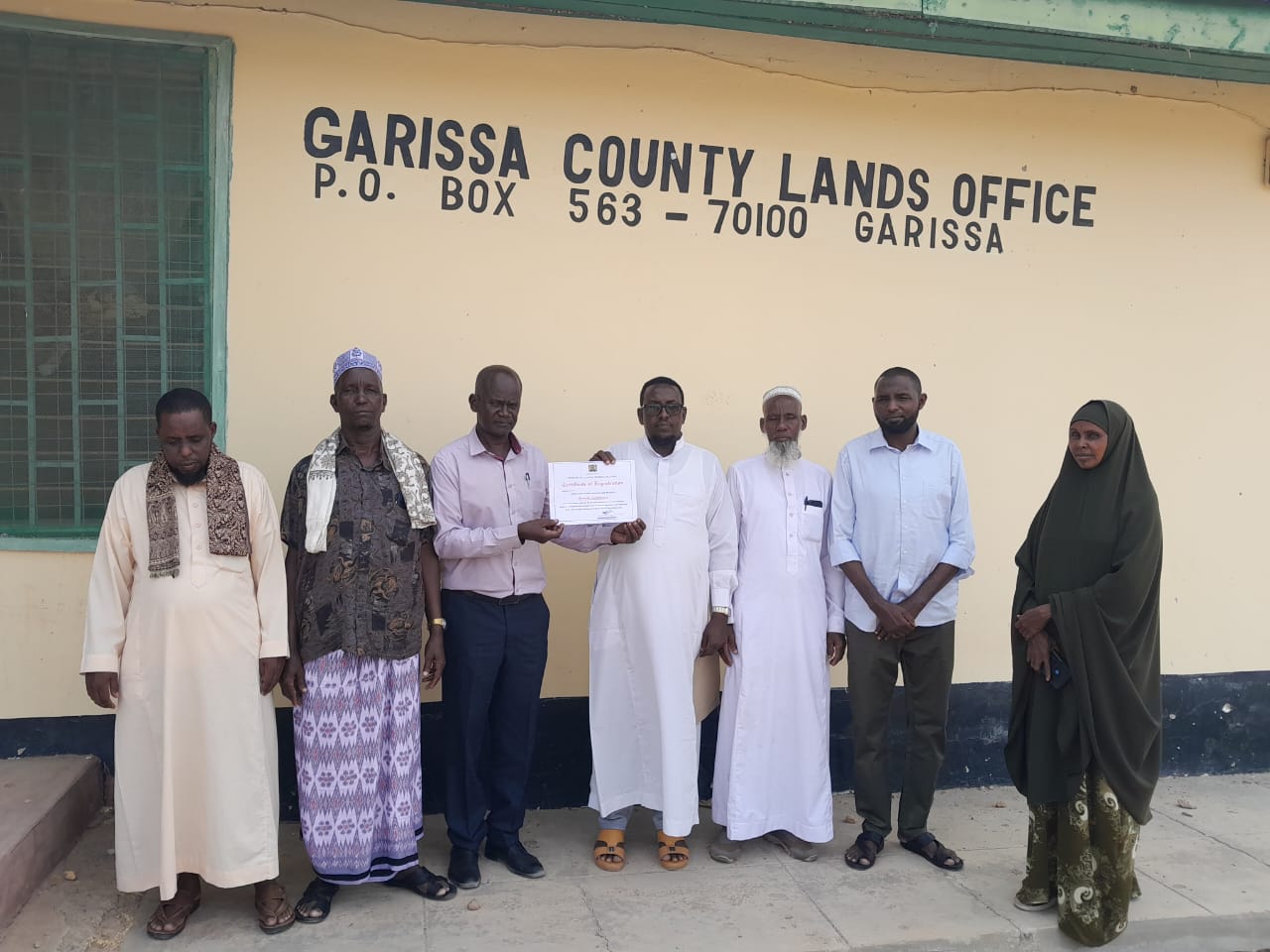
These titles are more than paper—they are instruments of justice. They empower remote communities to:
At the heart of this initiative and achievement is the DLCI (Drylands Learning and Capacity Building Initiative), which also acts as the secretariat for Kenya’s largest parliamentary caucus, the PPG, and collaborates with various CSOs, county governments, and the Ministry of Land. Support from CSOS has been vital in helping communities handle complex legal and administrative tasks. From raising awareness to engaging stakeholders, CSO networks and land sector forums were established, and DLCI assisted in connecting them with duty bearers and elected pastoralist representatives. The role of DLCI in this process is to oversee national-level activities and ensure inclusive progress for all communities.
Today, over 200 communities across Garissa, Wajir, Marsabit, Tana River, Turkana, Samburu, Isiolo, and West Pokot have been legally recognized. Many have elected Community Land Management Committees, received certificates of recognition, or secured community land title deeds. Others are deeply involved in adjudication and survey processes.
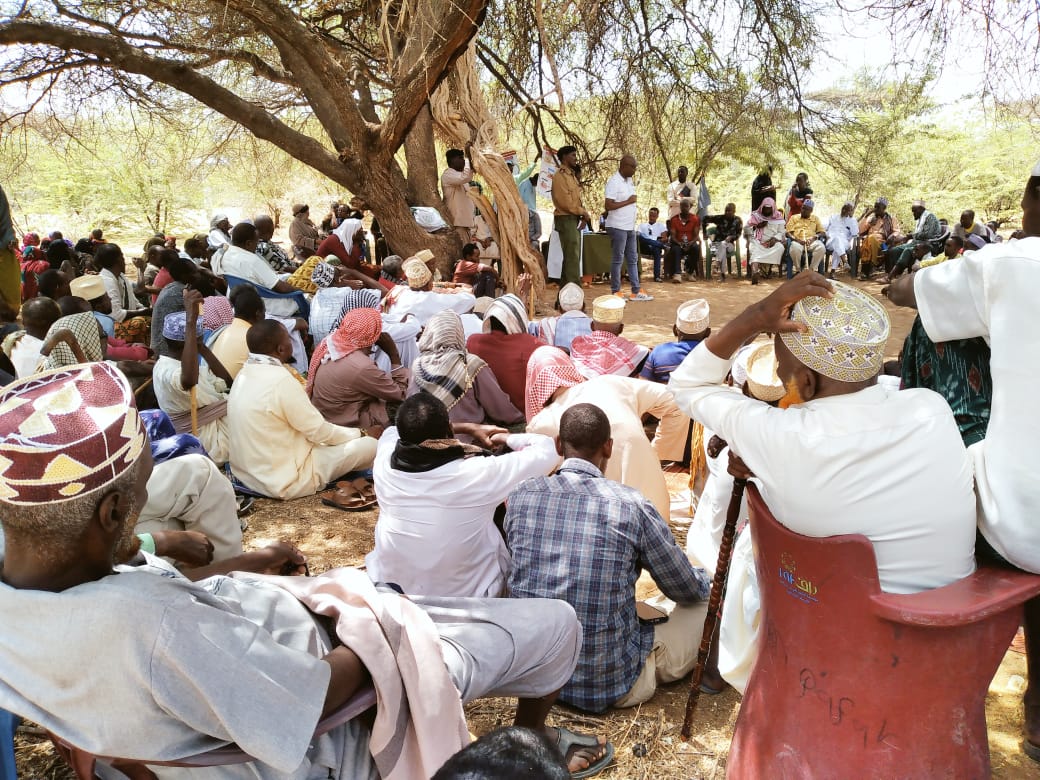
But this momentum must be protected. Kenya and development partners must increase investment in:
The future of Kenya’s drylands—and the communities who call them home—depends on our collective resolve to uphold the spirit of the Community Land Act. When communities govern themselves, rangelands flourish, peace prevails, and development becomes truly inclusive.
Article by Jarso Mokku, PhD, Chief Executive Officer, Drylands Learning and Capacity Building Initiative (DLCI)
In Gotu, Ngaremara Ward, the boundaries that separate the people, provide services, and govern one small location are no longer solely physical; they are also institutional, legal, and increasingly political. What was once purely pastoralist land, ruled by custom and the community’s oral tradition, now finds itself caught in a complex bureaucratic web of overlapping boundaries with mandates spread across multiple agencies. Electoral, administrative, and community land boundaries are not just disputed; they are incompatible. The confusion isn’t accidental; it is deeply systemic.
This crisis is underpinned by multiple legal mandates. The IEBC is responsible for managing electoral boundaries as specified in Article 89 of the Constitution. The Ministry of Interior oversees sub-counties and localities under the District Boundaries Act. The Community Land Act of 2016 assigns the registration of communal lands to communities, with oversight by the National Land Commission and County Governments, technically supported by the state Department of Land Adjudication.
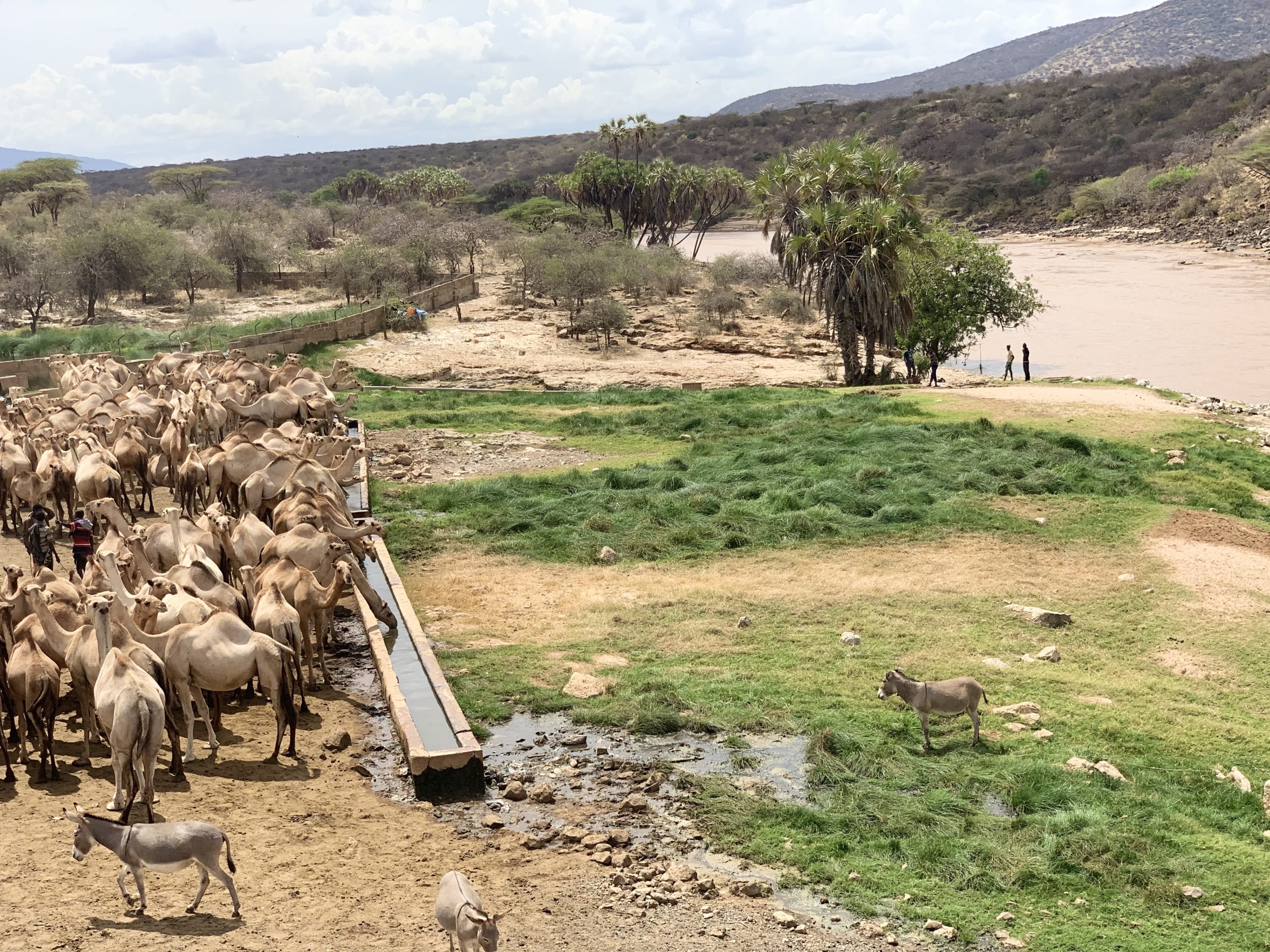
In Gotu, this web of authority has created a power vacuum. The root of the crisis lies in the County boundary lines drawn without a historical basis, which conflict with community claims rooted in oral traditions and seasonal grazing patterns. Administratively and politically, Gotu is Ngaremara sub-county and Ngaremara Ward. Geographically and communally, it forms part of the Kulamawe Dedha rangelands. Development projects are initiated by neighboring counties within disputed zones, often bypassing the Isiolo community altogether. The Kulamawe Dedha community views these actions as incursions into their territory. As a result, mistrust increases, and peace becomes strained. Administrators are not in a hurry to reconcile these long-standing tensions. As they give it time, it is getting more complicated.
To address this, we need to return agency to the people. Community land adjudication should be prioritized, not delayed. Civic actors in Isiolo have called for participatory mapping that utilizes oral histories and colonial-era maps. The slow progress of electing Community Land Management Committees in Kina, Kulamawe, & Gotu Dedha is not just a procedural delay—it represents a political risk.
The communities in Isiolo County must defend their territory not only with maps but also through transparency and adherence to the law. Let the National Land Commission, IEBC, and county governments meet with the communities to resolve conflicting boundaries. The Constitution requires public participation. It’s time for institutions to honorthat.
The boundary confusion in Gotu is not just about lines on paper—it’s about protecting heritage, dignity, and constitutional justice. It is worrying that administrators and politicians are finding space in the community process. At the same time, the area of their mandate has remained unattended, thereby complicating the issue and confusing the situation.
Article by Jarso Mokku,
Kenya’s arid and semi-arid lands (ASALs)—home to pastoralist communities for generations—are suffering not from a lack of resilience, but from deeply misguided policy. The government’s and CSO’s promotion of crop farming in these ecologically fragile zones is accelerating a humanitarian and environmental crisis.
Drylands and communities thrive under pastoralism, not ploughs. Yet communities are now being encouraged—sometimes pressured—to clear indigenous shrubs, grasses, and trees to grow drylands crops, in the name of diversification. These crops routinely fail under erratic rains, leaving both the land and the people devastated. The result? Pasture loss, massive livestock deaths, and escalating poverty.
A Tragedy of Policy: The Drylands of Kenya and the Folly of Forced Crop Farming

This is not development. It is destruction masquerading as progress. Crop farming in ASALs ignores ecological realities:
Worse still, this policy disregards centuries of indigenous knowledge that has stewarded these landscapes sustainably. In its place, it plants dependency on donor-driven quick fixes misguided ideas and untested technologies.
It is time to call this what it is: a tragedy by design. We must:
Let us stop fighting the land and traditional community system but start working with it.
Jarso Mokku is the CEO of Drylands Learning and Capacity Building Initiative and Secretary to the Pastoralist Parliamentary Group Secretariat based in Nairobi, Kenya.
Photo credits: Reuters
Article by Jarso Mokku.
DLCI, in collaboration with Saferworld and Centre for Conflict Resolution (CECORE) from Uganda, organized a two-day workshop, 24th–25th June 2025, at Cradle Hotel, in Lodwar, bringing together a wide range of stakeholders from the communities in the borderlands of Kenya and Uganda. They reflected on strategies that promote gender-responsive, climate-resilient, and peaceful borderlands coexistence. This is meant to strengthen inter-community collaboration, cooperation, and learning across the border corridors in Kenya, Uganda, and South Sudan.
Strengthening cross-border community relations consistently emerged as a unifying theme throughout the discussions. The border corridors were often mentioned as physical routes and essential spaces for shared livelihoods, community interactions, and peacebuilding. These border areas remain crucial to the well-being of local economies, migration patterns, and grassroots community cooperation. We are one people, ATEKER.
Reflecting on the tragic cycles of the community’s self-destruction through an ongoing violent struggle. One elder from Kenya eloquently posed a poignant question: “Are we cursed?” The room fell silent. This was not a rhetorical question but a heartfelt call to action, urging border communities and leaders at all levels to break free from cycles of violence, revenge, marginalization, and the story of historical neglect. Geoffrey from Uganda, CECORE, stressed that the shared experience of suffering across border communities is the same: “All of us suffer at different levels from this challenge. We know even locations that suffer the most. It is not one gender suffering more than another or another community more than others; we all suffer intensely differently.
Government policies play a vital role in easing the suffering of pastoralist communities. They have the power to either bring people together or unintentionally create more divisions. Here are some thoughtful ideas on how well-designed policies can help these communities flourish and open up exciting opportunities for overall national growth. Together, we can work towards a future with stronger dryland economies where everyone has a chance to thrive.
Land Tenure and Access: Many pastoralists rely on communal land, but government policies often favor individual land ownership or large-scale investments like private conservancies, wind power farms, or oil projects over local strategies of strengthening the community livelihood system, pastoralism, and livestock development in the drylands. This shift can displace communities and most often restrict community access to their traditional grazing routes, sparking disputes.
Security and Policing: Inadequate policing and delayed government responses to cattle raids or border disputes erode trust in state institutions. Some policies, like arming local militias or redeploying National Police Reservists (NPRs), have had mixed results—sometimes improving security, other times escalating violence if not well-regulated.
Marginalisation and Development Gaps: Pastoralists regions have historically been deliberately sidelined in the national development plans, creating poor infrastructure, limited education, and weak political representation. This creates a sense of exclusion, which can fuel resentment and conflict.
Weak Integration of Customary Systems: Traditional conflict resolution mechanisms—like elders’ councils—are often overlooked in formal policy development interventions. When the traditional systems that sustain people are weakened without being replaced by effective alternatives, communities lose trusted ways to manage disputes.
Climate and Resource Management: Policies that fail to address climate resilience or sustainable resource use can worsen competition over scarce resources—water and pasture. Without coordinated grazing plans and proper mechanisms for drought preparedness, communities are left to fend for themselves, often leading to clashes over limited resources available.
Despite these challenges, there are still signs of hope and progress. Some policies now aim to blend traditional and formal governance, e.g., the Community Land Act 2016, which aims to recognize and register common spaces and territories. Support for peacebuilding continues through shared markets and dialogue forums.
Reducing pastoralist conflicts in Kenya calls for bold, thoughtful reforms that respect the unique rhythms of pastoralist life while addressing long-standing structural issues. Based on recent policy discussions and expert recommendations, some key reforms could make a real difference.
Land and Resource Rights—Recognize and protect collective land rights: Strengthen and provide an adequate budget for implementing the Community Land Act to ensure pastoralists can register and manage communal lands without being forced into sedentarism. Codify Indigenous land use practices. Integrate traditional grazing patterns and seasonal mobility into formal land-use planning. Participatory rangeland management: Involve pastoralists in land-use decisions to ensure policies reflect their needs and knowledge. Empower community governance structures, ensure the Community Land Management Committees to reflect traditional leadership better, and improve accountability.
Conflict Resolution and Governance: Strengthen customary conflict resolution systems. Support elders’ councils and integrate them with formal justice systems to resolve disputes peacefully. Improve security coordination: Develop localized, community-led security strategies that reduce reliance on reactive policing.
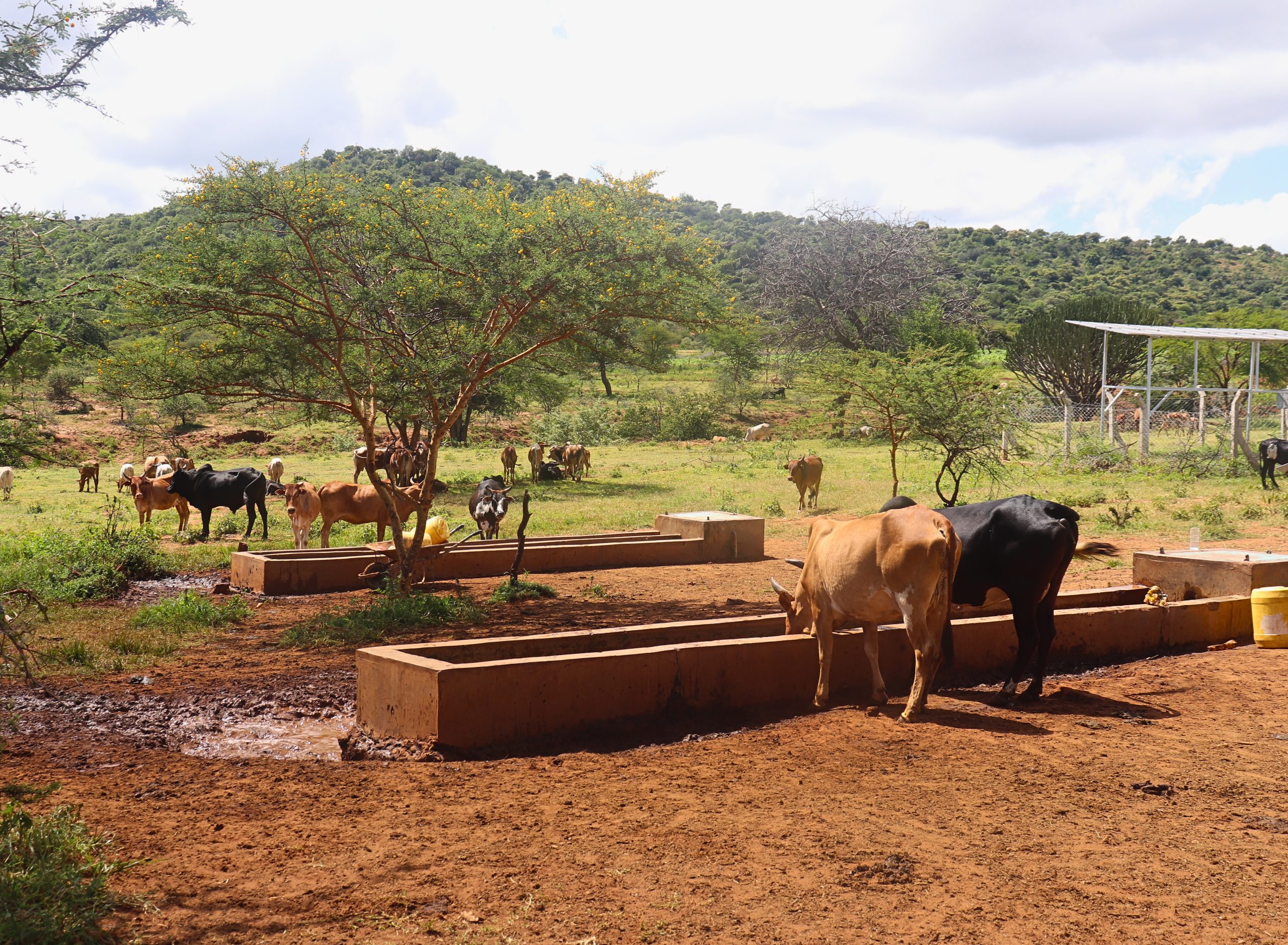
Climate and Livelihood Resilience: Invest in climate-smart infrastructure, such as water points, drought-resilient roads, and mobile services that support pastoral mobility. Support diversified livelihoods, such as encouraging investment in value chains that complement livestock sector-based livelihoods—like ecotourism, crafts, or renewable energy—to reduce economic pressure on grazing lands.
Political Inclusion and Representation: Strengthen devolution. Ensure county governments have the capacity and resources to effectively address and deliver to pastoralist communities’ expectations and needs. Champion pastoralists voices in national policy. Platforms like the Pastoralists Leadership Summit (PLS) are progressive, vital structures for shaping inclusive, responsive legislation and influencing government policy deliveries.
These reforms aren’t just about preventing conflict—they’re about unlocking the full potential of pastoralist communities. If you were designing a policy from scratch, would you consider which to prioritize first: community land rights, security, or economic opportunity?
Jarso Mokku is the CEO of Drylands Learning and Capacity Building Initiative (DLCI) and Secretary to the Pastoralists Parliamentary Group (PPG) Secretariat based in Nairobi, Kenya.
Featured Cover Photo credits: African Leadership Institute
By Jarso Mokku
Reflection and feedback from the “Rethinking Early Action for Pastoralist Communities’ Future Prosperity and Resilience—Emerging New Narratives and Priorities.”
The session explored ‘grounded’ narratives on drylands in the Horn of Africa, their importance, and opportunities to enhance the systems of dryland communities for the prosperity and resilience of future pastoralists through early action and targeted investment.
Pastoralism is a primary source of livelihood for many people. It serves as a crucial component of the rural economy, contributing to local trade and infrastructure development. Pastoralists significantly enhance food security in the region through their consumption practices, providing products for the broader market, including all the milk and meat they consume, and supporting dryland food security, which benefits the rest of the country.

Livestock is the main source of wealth for pastoralist communities. The IGAD region—Djibouti, Eritrea, Ethiopia, Kenya, Somalia, South Sudan, Sudan, and Uganda—is a livestock powerhouse. It is home to 43% of Africa’s cattle (160 million), 34% of its sheep and goats (308 million), and nearly half the world’s camels (19 million), totaling 488 million animals (FAO 2021). These resources, managed largely by pastoralists in arid lands, are fundamental to food security and economies, contributing up to 70% of agricultural GDP in some countries, while exports, primarily to the Middle East, generate vital income. Despite climate challenges, livestock remain central to livelihoods and nutrition in the region.
Furthermore, it plays a crucial role in the economies of these countries, serving as a primary income source, ensuring food security, and creating trade opportunities in broader regional and global markets. It provides all the milk and meat that pastoralists consume in the Horn of Africa. It also represents a significant productive sector and a key national and regional GDP component, enhancing agricultural output, employment, and investment.

However, attention and investments in pastoralism and dryland economies are often influenced by misconceptions and guided by incomplete, incorrect, and negative understandings of the’ complex and relational nature of pastoralism systems. The presentation and plenary conversations reminded us of the old narrative driving pastoralism, dryland economies, policy, and practice. The underlying ideas in these narratives persist, even though new research continues to discredit their basis in truth or reason, or their acceptance. Yesterday’s lack of grounded narratives has restricted pastoralists’ routes to prosperity. It has influenced today’s policy development and investment choices. Nevertheless, pastoralism has persisted and demonstrated resilience. It supports the lives and livelihoods of over 60 million individuals in the Horn of Africa.

These outdated narratives propagate ideas that pastoralist and dryland economies are violent and irrational accumulations, environmentally destructive, inherently vulnerable, low-potential, and unproductive, hopeless, not worthy of investment, anti-modernity and fostering instability. Recommending solutions must only come from external input. These ideas are primarily constructed to reinforce negative attitudes and stereotypes, stemming from a distorted understanding, a lack of grounded knowledge, and a failure to genuinely appreciate pastoralists’ capacity, resilience, and flexibility in managing uncertainty and variable climate conditions over time and space.
What are the priority actions for the future pathways to pastoralist prosperity and resilience?
Shifting of policy actions from project-based crisis responses to proactively supporting community systems and developing suitable institutions and investment actions. We should continue the path of “grounded” understanding and acting on new narratives that strengthen successful collaborations across research, policy making, policy practice, and future investment in dryland economies.
Finally, it should be unacceptable for pastoralists to lack water and pasture; yet, it is not okay for crop farmers to lack farm inputs, seeds, and fertilizer, Hassan Bashir said. “The culture and behavior that failures define and make rules for pastoralism and dryland economies must end.”
Jarso Mokku is the CEO of Drylands Learning and Capacity Building Initiative and Secretary to the Pastoralist Parliamentary Group Secretariat based in Nairobi, Kenya.
DLCI was established in 2016 with a vision that dryland communities in Kenya are empowered and at the center of resilience and development interventions. It serves 15 counties encompassing 64 parliamentary constituencies and over 10 million people, promoting dryland-friendly policies and accumulating extensive indigenous knowledge
On April 26, 2025, a historic chapter in conservation unfolded at the heart of the Kitengela-Kipeto Conservation Area. Indigenous leaders, landowners, conservation champions, and partners gathered for the Southern Kenya Indigenous Leaders Nature Meet, a landmark celebration of community-led stewardship and a breakthrough moment in nature finance.

Invited by EarthAcre under the Nature Transformation Fund, DLCI’s delegation joined the Southern Kenya Indigenous Leaders Nature Meet on April 26, 2025, in the Kitengela‑Kipeto Conservation Area. This participation highlighted DLCI’s role in advocating for direct, transparent, nature-based finance mechanisms that reward community stewardship.
Supported by MAS Holdings, Klarna/Milkywire’s Nature Transformation Fund, Africa Natural Capital Alliance (ANCA), and the African Fund for Endangered Wildlife (AFEW), the event marked the first-ever direct cash transfer payments to indigenous landowners for conservation. It was a bold step forward, overcoming long-standing challenges of payment transparency and land tenure complexities and recognizing the communities that have faithfully protected wildlife outside national parks.
The day opened with vibrant entertainment from the Maa community, a heartfelt prayer, and welcoming remarks from the Empakasi village chief. The principal secretary for the State Department of Wildlife, Ms. Silvia Museiya, ,who served as Guest of Honor, stressed the importance of involving local communities in decision-making, especially with the ongoing review of Kenya’s Wildlife Economy Law. She encouraged deeper partnerships between development partners and local stakeholders to drive inclusive conservation.
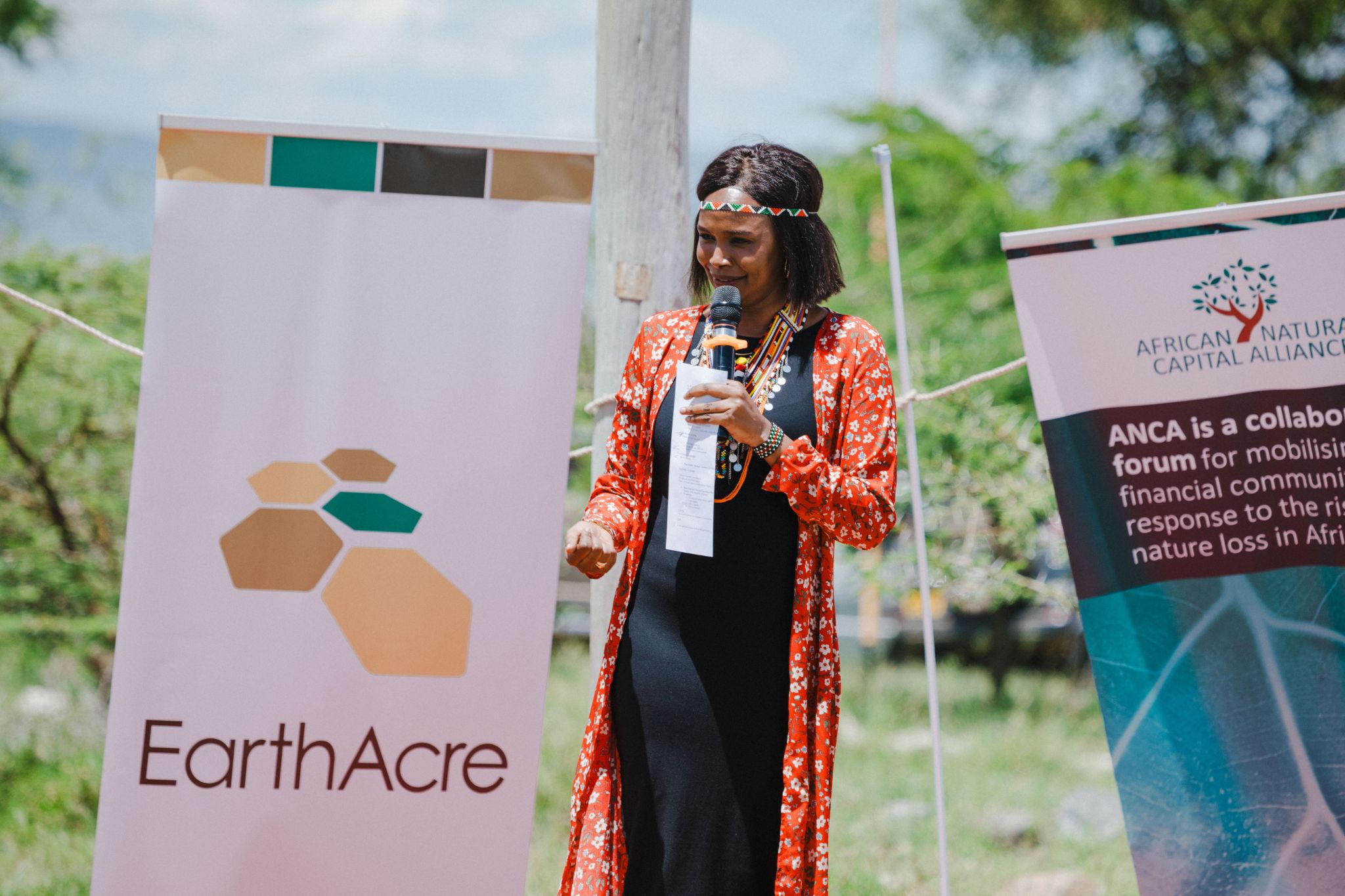
A highlight of the day was the Tri-Annual Lease Payment Ceremony, where landowners from the Kitengela Conservation Area received direct lease payments. These payments acknowledged not just land ownership but also the deep indigenous knowledge of biodiversity and the commitment to conservation.
Earth Acre is working closely with landowners to ensure that natural assets are well taken care of, providing a sustainable path for long-term conservation efforts.
East African Carbon and Biodiversity Limited (ECBL) is an indigenous-led company representing different communities across three counties. Legalized under Kenyan law, it is recognized as a local project proponent and a leader in carbon and biodiversity initiatives. Their work with local communities is helping to develop nature-based assets and sustainable conservation strategies.

A community elder used a powerful analogy — likening nature assets to cows: “The better you care for them, the more milk they give.” This underscored how investing in conservation yields diverse benefits, from lease income and biodiversity credits to stronger pastoralism and eco-tourism.
Elders emphasized that real success lies in genuinely involving those who live with wildlife daily, not just during project rollouts but in leadership and planning. The event closed with the awarding of gifts, followed by a photo session, where the landowners proudly posed with their cheques. A shared lunch then marked the end of a day that celebrated both the history and future of community-led conservation.
Hi! I'm DLCI's AI assistant. What can I help you find today?
Find publications, pages & contacts