Confronting Online Harassment: The Challenges Facing Women Journalists in Africa

JoanLettingBy Joan letting.

Read my journey: https://lnkd.in/deCYvwpZ


I started my career in journalism; I saw firsthand the power of storytelling and the risks that come with it.

Women journalists globally and in Africa are not just reporting the news; they are often the news themselves. Sometimes they are caught in a storm of online violence, threats, and harassment simply for doing their jobs.

Take Purity Mwambia, a Kenyan investigative journalist who uncovered the chilling reality of rogue police. Instead of being celebrated for her work, she was forced into exile after relentless online attacks and threats against her life. Her story is not unique; countless women journalists in Kenya, Rwanda, and Nigeria face digital abuse meant to silence them.

This crisis is at the heart of my PhD research at Simon Fraser University. I am exploring how social media has become both a tool and a weapon, a space where women journalists can raise their voices but also where they are brutally attacked. How does this impact press freedom? What policies can protect them? And how do we reclaim digital spaces for truth-tellers?

I am honored to be featured by Simon Fraser University Graduate Studies as I dive into these urgent questions.

Reflections on the International Funders for Indigenous Peoples Conference (IFIP) 2025

Reflection on the first IFIP Global Conference at Enashipai Resort, Naivasha, Kenya.

By Jarso Mokku, Chief Executive Officer – CEO, DLCI.

The Drylands Learning and Capacity Building Initiative (DLCI) is a non-governmental organisation established and led by Indigenous peoples from Kenya’s drylands.


The International Funders for Indigenous Peoples (IFIP) titled first global conference “Global Impact, Local Solutions: Funding Indigenous Self-Determination and Leadership.” The conference lasted five days and began on 17 February 2025. Discussions, dialogue, and networking focused on advancing funding for Indigenous peoples’ self-determination. The conference also provided a platform to share knowledge, foster partnerships, and facilitate international funders’ direct engagement with Indigenous communities and various stakeholders from Africa.

Group Photo of the participants of the Indigenous Philanthropy Institute (for funders only) session at the IFIP Global conference 2025.

The process commenced with pre-conference activities on the first day, a reflection on donor practices on the second day, explorations of strategies to better align global funding with Indigenous philanthropic values—respect, Reciprocity, Responsibility, Relationship, and Redistribution—on the third day, and the building of partnerships on the subsequent days.

A team of four participants from our organisation – www.dlci-hoa.org – attended the first  IFIP Global Conference. This marks our first attendance at an IFIP event. We are grateful for the invitation extended by our esteemed partner, the Christensen Fund Foundation (TCF) – www.christensenfund.org, which enabled our participation in this conference. TCF has provided us with the most flexible funding, which we have utilised to influence government policy and practice, ensuring support for pastoralists and Indigenous people in Kenya. TCF’s support has emboldened us in our struggle to cope with the vagaries of climate change in the drylands, as well as with the discriminatory, brutal laws and policies targeting Indigenous people. We have developed strategies to build resilience and protect the lives and livelihoods of pastoralist communities in the fragile ecosystem of Northern Kenya. TCF’s funding has also helped us realise that our struggle is more significant than our individual lives. Shifting the mindsets of funders and policymakers is a challenging and costly endeavour, requiring long-term commitment. We are committed to pursuing and achieving our people’s self-determination goals: empowered pastoralists living peacefully on secure ancestral land, safeguarding biodiversity and nature, and becoming resilient against climate change.

(Left to Right) – Hussein Jirma, Jarso Mokku, Mohammed Dida and Bilach Jimale at the IFIP Global Conference 2025

The conference was inspiring from the outset, commencing with the opening ceremony, an introduction to the International Funders for Indigenous Peoples (IFIP), knowledge sharing, and listening to stories from Indigenous Peoples around the globe. The IFIP conference provides an open space for significant information exchange and excellent opportunities for in-depth networking with various stakeholders. Our team is now eager to become a regular affiliate member and to remain part of this extraordinary Indigenous movement and network. We are pleased to attend the upcoming 26th IFIP global conference in Australia in 2027, provided a lack of funding does not restrict us.

All sessions at the  conference were educational, fascinating, and outstanding. I will focus on and share what I learned from the IFIP Indigenous Philanthropy Institute session. The session aimed to build Indigenous funding momentum, transform funders’ partnerships with Indigenous communities, and foster a philanthropic culture rooted in value-based partnerships, using IFIP’s “Five R’s Principles of Indigenous Philanthropy”: Respect, Reciprocity, Responsibility, Relationships, and Redistribution.

This idea is to support the philanthropic sector in shifting towards an inclusive giving paradigm that puts the Indigenous Peoples leadership, self-determination, and rights at the centre while promoting a deeper understanding of Indigenous values and knowledge.

DLCI CEO, Jarso Mokku, Kuʻuleinani Maunupau, CEO, Native Hawaiian Philanthropy  and  Christensen Fund Kenyan Director Strategy, Hassan Roba at IFIP Global Conference

The Institute guides global funders in adopting equitable grant-making strategies and enhances long-term engagement with Indigenous communities. The session provided various reading and reference materials, I read the following documents; Scott-Enns, I (2020) Indigenous Ways of Giving + Sharing, the Indigenous-led Funds Landscape Scan report (IFIP, Feb 2024), Time to Set Up: Solidarity for Redistributing Funding to Indigenous Women (IFIP, March 2024), Leaders and Stewards: Global Analysis of Funding to Indigenous Women (IFIP, March 2024), Essential Principles of Partnering and Funding Indigenous Women’s Organisations (IFIP, April 20, 2023), and a Funding Trend Analysis on Indigenous Peoples Philanthropy: 20 Recommendations for Future Actions, submitted by Archipel Research and Consulting Inc.

To quote a powerful statement from the documentation available for this session: Scott-Enns (2020) states that Indigenous peoples have an understanding of philanthropy that is deeply rooted in their languages, ancestral knowledge, and cultural values of giving and sharing. The English language cannot accurately describe and fully capture the diversity of the Indigenous worldview of philanthropy and the values that guide their work.

Substantial impact of colonialism had long-lasting effects even after the formal state occupation ended. Experiences from the Indigenous Peoples in Australia are pretty astonishing. Stories shared illustrate how, 50 years into the process of brutal control over the Indigenous people’s lives, colonisation has devastated Indigenous languages, cultures, lives and livelihoods, with its adverse effects persisting after 200 years of colonisation has ceased.

Members of the Kenyan indigenous Maasai Tribe performing their cultural dance

Most traditional donor-funded projects, in a way that never ends, have failed to convey how robust and resilient Indigenous systems are surviving the brutality of colonisation. It preoccupies itself with symptomatic challenges rather than supporting a transformative agenda of the Indigenous peoples’ to find a path to self-determination and regain possession of their lives after years of savage physical violence and cruelty to the Indigenous people’s system by colonisation.

Future funding for Indigenous peoples should shift from project-based approaches to the long-term rebuilding of relationships. Flexible and timely financing should enable Indigenous communities to implement life-changing transformative initiatives with respect, reciprocity, responsibility, and relationship. This can genuinely shift power to Indigenous people and allow them to reclaim self-determination and develop interventions on their terms.

Innovative reconstructive ideas should garner support from any progressive funders, including initiatives that foster and build strong relationships between Indigenous peoples and donors, starting with a call to project proposal and co-creation of intervention activities. In the future, Indigenous peoples’ fund-led advocacy priorities should mainly encompass specific ideas and types of programmes that donors should be inclined to support, and such practice can shift policy and practices. Project ideas, concepts and proposals should not be generated in the boardrooms detached from the realities faced by Indigenous peoples.

A poignant story from an African village shared at the IFIP global conference revealed an unfamiliar perspective on how donors assess grant success, which often is a mere box-ticking exercise. There is an urgent need to refocus the criteria for grant impact towards transformative outcomes, empowering Indigenous peoples to define what grant success looks like. In this case study of a donor call for proposals, an Indigenous leader responded to the call, “The success of your grant should be assessed in terms of ‘If our cows are fat, then your grant is successful; if our cows’ body condition is poor, then your grant has failed.’ The response did not fit the prescribed donor funding perspective of outcome measure. The funding agency would not comprehend the depth of meaning. It thus would not accept responsibility based on this clear criterion of measuring the impact of grant success defined by the Indigenous people’s leader. The project was not funded.


The donor funding call for project concept arising from the usual boardroom business model undoubtedly perpetuates undesirable change, with the consequence that it is likely to sustain the harmful effects of past regime mindset and undermine Indigenous Peoples’ self-determination: “When you are poor, you can easily give away your rights.” The 25th global conference, “Global Impact, Local Solutions: Funding Indigenous Self-Determination and Leadership,” is genuinely an eye-opener for new participants like us who are seeking immediate actions; incorporating IFIP Indigenous Peoples’ principles of respect, relationships, responsibility, reciprocity, and redistribution into global funding is very inspiring for us.


As an organisation led by indigenous peoples, our participation in the IFIP global conference for the first time will undoubtedly enhance our efforts to improve drylands policies and practices in the Horn of Africa. The information shared will increase the quality, value, and reach of our goal to promote pro-pastoralist initiatives that will significantly benefit from the knowledge shared and gained at the 25th IFIP global conference in Naivasha. We feel energised to redouble our efforts and support the scalability of self-determination for pastoralist communities—women, youth, and children—while fostering a global understanding that utilises Indigenous peoples’ extensive collective knowledge and wisdom. We shall maintain a connection with our indigenous land territories and their protection, which is vital for building a future relationship with international strategic funders. We shall emphasise the sustainable, reciprocal use and regeneration of our natural resources for intergenerational benefits rather than quick extraction that destroys the planet.

We will use our power to convene large gatherings of Indigenous Peoples, bringing them together with various stakeholders to build bridges and foster relationships across international borders. All our business is conducted beneath the trees, which empowers the community, amplifies informal voices, and directly affects the complexities of governmental bureaucracy in policymaking discussions.

Community Sensitization session with women from the indigenous Samburu Community in Samburu County, Kenya.

Community Sensitization session with women from the indigenous Samburu Community in Samburu County, Kenya.

Our organisation has a dedicated programme that provides technical services and policy advice to the parliamentary Caucus in the Kenya National Assembly, known as the Pastoralist Parliamentary Group (PPG), which includes over one hundred elected representatives. This work ensures pastoralists can access government and public services while linking the people’s informal and formal complex government systems. This unique approach of operating at both ends and in between embodies Indigenous peoples’ practices. It represents our most significant value proposition, distinguishing us from other formal civic organisations in Kenya. Our working methods effectively connect small grassroots women, youth, and traditional council institutions of Indigenous peoples, as well as voices from marginalised remote areas, to be present at the core discourse of multiple stakeholders and policy makers. We use the opportunity to foster gender inclusivity and conflict sensitivity, deliver environmental justice decisions, and promote biodiversity protection and rangeland resources in dryland areas.

In global conference dialogues and knowledge-sharing platforms, we strive to elevate and amplify the voices of Indigenous communities from dryland areas, who suffer the most despite contributing the least to global climate injustice. Furthermore, we join others in celebrating the capacity of Indigenous peoples to influence formal policy actions and protect our Indigenous heritage.

However, securing international support and stable, flexible, strategic funding poses a significant challenge to our people’s aspirations for our type of work. We require thoughtfully conceived funding that mobilises active high-level policy engagement and utilises the collective wisdom of indigenous peoples to foster stability in the pastoralist communities of Northern Kenya. According to Kenyan law, our people must obtain legal land tenure rights to our ancestral land. We look forward to building partnerships with strategic funders to share our story in greater detail and highlight how we influence the growth of women’s leadership and climate change policies. Stability funding is necessary to assist pastoralists in securing our ancestral land territories and empowering our representatives within national government institutions to become effective community leaders.

Members of the Kenyan indigenous Borana Tribe performing their cultural dance.


The National Livestock Development and Promotion Service: A Game Changer for the Pastoralist Communities

Article by Hillary Kitel.

The National Livestock Development and Promotion Service (NLDPS) operationalisation marks a significant milestone for Kenya’s pastoralist communities. It provides long-overdue support for a sector that is central to national economic development and pastoralists livelihoods. First introduced under the National Livestock Development and Promotion Service Order, 2016, the service is being implemented after years of delay, bringing hope to pastoralists communities nationwide.

Addressing Challenges in the Livestock Sector

Pastoralist communities have long faced challenges such as climate change, unpredictable droughts, market access barriers, and limited infrastructure to support livestock production. The operationalisation of the NLDPS is expected to help mitigate these challenges by improving livestock value chains, strengthening market linkages, and ensuring better coordination in the sector.


H.E. President William Ruto at the 4th Pastoralist Leadership Summit (PLS)


During the 4th Pastoralist Leadership Summit (PLS) held in Wajir from December 8 to 11, 2024, pastoralist leaders from 15 counties covering 80% of Kenya’s landmass emphasised the urgent need for interventions in natural resource management, drought resilience, peace and security, and economic empowerment. The summit, themed: “Unlocking Policy and Financing Bottlenecks to Maximise Pastoralism Potential in Kenya”, served as a platform to push for practical solutions that would directly benefit pastoralists, making the launch of the NLDPS a timely response to these concerns.

Historically, the Pastoralist Parliamentary Group (PPG) has played a significant role in advocating for policies that support pastoralist livelihoods, ensuring their inclusion in national development discussions. Despite contributing significantly to Kenya’s economy—livestock from pastoralist regions accounts for approximately 13% of the country’s GDP, with an estimated KES 369 billion recorded in sales in 2019, pastoralists have often struggled with inadequate market structures and support mechanisms. The introduction of the NLDPS seeks to bridge this gap by providing structured support that enhances productivity and sustainability within the sector.

H.E. President William Ruto with the PPG leadership and the chair of the Council of Governors at the 4th Pastoralist Leadership Summit (PLS)


What This Means for Pastoralist Communities

With the NLDPS now operational, pastoralists can expect improved support systems to enhance livestock production and trade. Key benefits include:

  • Stronger Drought Resilience Measures—The service will facilitate better planning and response mechanisms to reduce livestock losses during drought periods.
  • Expanded Market Access—By promoting livestock trade and developing new markets, pastoralists will have more opportunities to sell their products at competitive prices.
  • Investment in Livestock-Based Livelihoods—The initiative is expected to attract investment in processing and value addition, ensuring that pastoralists maximise the returns from their livestock.
  • Improved Veterinary and Extension Services – Increased coordination in the livestock sector will provide communities with better access to animal healthcare and advisory services.


A Step Forward for the Future

The operationalisation of the NLDPS represents a critical turning point for Kenya’s livestock sector and the pastoralists who depend on it. By focusing on practical interventions that directly impact communities, this initiative holds the potential to transform pastoralism into a more sustainable and economically viable way of life.

Moving forward, it will be crucial to ensure that the implementation of the NLDPS remains inclusive, with active participation from pastoralist groups, county governments, and relevant stakeholders to maximise its impact. With the right structures, the service could play a transformative role in securing a resilient and prosperous future for Kenya’s pastoralist communities.


RESOLUTIONS FROM THE PASTORALIST LEADERSHIP SUMMIT (PLS 2024)

The 4th Pastoralist Leadership Summit (#PLSWajir2024) brought together key stakeholders to address critical issues facing Kenya’s dryland regions. This year’s summit focused on unlocking policy and financing bottlenecks to maximise pastoralism’s full potential in Kenya.

The resolutions crafted during the summit represent a collective commitment to actionable solutions that promote sustainable development, resilience, and inclusive growth for pastoralist communities. These resolutions are a roadmap for transforming challenges into opportunities through strategic partnerships and innovative approaches.

Read the full resolutions here:

Resolutions from the 4th Pastoralist Leadership Summit (PLS)


THANK YOU ALL FOR A SUCCESSFUL PASTORALIST LEADERSHIP SUMMIT 2024


A heartfelt THANK YOU TO ALL OUR PARTNERS  for making the 4th Pastoralist Leadership Summit  (PLS )in Wajir Town such a success. In particular, the following organizations:

  1. The Christensen Fund
  2. National Drought Management Authority (NDMA)
  3. Swiss Agency for Development And Cooperation (SDC)
  4. European Union
  5. State Department For The ASALS and Regional Development
  6. Mercy Corps
  7. Wajir County Government
  8. The Agha Khan University
  9. World Food Programme (WFP)
  10. Northern Kenya Rangelands Carbon Project
  11. Cordaid
  12. National Council for Nomadic Education in Kenya (NACONEK)
  13. Frontier Counties Development Council (FCDC)
  14. NAMATI
  15. Saferworld
  16. Austrian Development Agency (ADA)
  17. USAID kuza
  18. GIZ – German Development Coorporation
  19. WWF Kenya
  20. Islamic Relief
  21. Food and Agriculture Organization of United Nations (FAO)
  22. SolarGen
  23. International Alert
  24. Millenium Water Alliance (MWA)
  25. Agence Française de Développement
  26. Netherlands (Government) Embassy
  27. InterPeace
  28. Unicef
  29. Jameel Observatory
  30. GOGLA
  31. African Social Development Focus (ASDEF)


Your immesuarable contributions were key to the great success of this summit.

The Pastoralist Leadership Summit: A Platform for Real Change in Kenya’s Pastoralist Regions

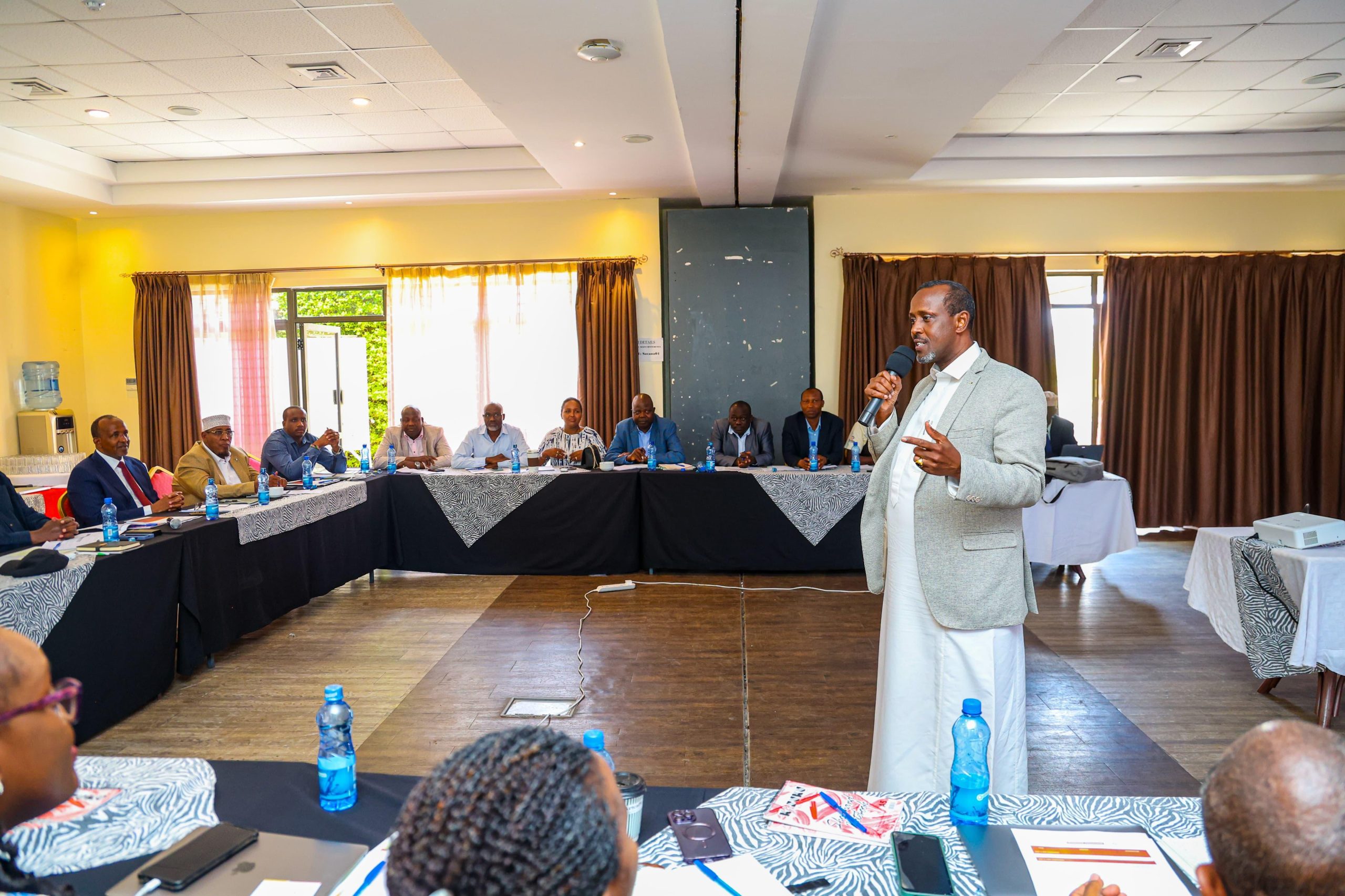
Photo Details: The Pastoralist Parliamentary Group (PPG) executive committee during their recent retreat.


Article by Hillary Kitel.

The Pastoralist Leadership Summit (PLS) is more than just an event—it’s a policy dialogue platform where pastoralist leaders come together to demonstrate their genuine care about the future of Kenya’s arid and semi-arid regions and proactively drive change. It’s a space where policies aren’t just talked about; they are shaped to meet the real needs of the pastoralist communities, who are often left behind.

Why Should You Attend the PLS?

At its core, the PLS 2024 is a platform created by the PPG to see a real transformative agenda executed to uplift and seek to bring the issues facing the pastoralist communities to the level of other communities in Kenya. The pastoralist communities represent a significant part of Kenya’s population but lack a strong voice in the national conversations. The summit is designed to change that, allowing government officials and development partners to collaborate with the pastoralist leaders in developing & driving the solutions that make a difference to the lives & livelihoods of the pastoralist communities.

1. Policymakers:

For policymakers, PLS offers an opportunity to sit down with fellow leaders and discuss how to address the policy challenges holding the potential of the pastoralism sector and pastoralist communities back. Whether it is about resource allocation, land rights, or changing fortune in a dire need area of infrastructure development & investment, this summit is the place to propose innovative solutions. The discussions will focus on thematic areas such as natural resource management, peace and security, and livestock development. These are theoretical discussions aimed at driving real policy reforms, including debates around the Equalization Fund and the TRIINK initiative to tackle regional inequality in Northern Kenya.

2. Development Partners:

For development partners, this is your chance to work hand-in-hand with both government bodies and grassroots organizations to make real, lasting impacts in these regions. Whether you’re focused on healthcare, education, or economic development, the summit provides an opportunity to build partnerships that can drive sustainable change.

3. Private Sector:

The summit is an excellent opportunity for the private sector to explore new business avenues in these underserved areas. Whether it’s through infrastructure development, livestock value chains, or innovative financial models, the arid lands of Kenya represent an untapped potential that could benefit both businesses and local communities.


Thematic Areas of Focus

This year’s summit will dive into eight key areas that are critical to the growth and development of Kenya’s pastoralist counties:

  1. Peace and Security: Conflict remains a significant challenge in pastoralist areas, often driven by land disputes and resource competition. The summit will look at strategies for peacebuilding and security.
  2. Pastoralism and livestock: livestock is the backbone of pastoralist communities. We’ll discuss ways to strengthen livestock value chains and improve market access.
  3. Natural Resources Management and Land Rights: Land ownership and resource use are critical issues in these areas, and the summit will explore sustainable ways to manage and utilize these resources.
  4. Infrastructure: Infrastructure development is key to connecting these remote regions to the rest of the country. Roads, water systems, and even digital connectivity will be discussed.
  5. Human Capital Development: This theme will focus on improving education, healthcare, and mental health services in pastoralist communities.
  6. Gender, Youth, and Social Issues: Empowering women and young people is crucial for the future of these regions. The summit will explore how to provide better opportunities for both.
  7. Equalization Fund: Ensuring that this fund is used properly to reduce development disparities is a priority for the summit.
  8. TRIINK (Tackling Regional Inequality in Northern Kenya): This initiative is focused on reducing the long-standing inequalities in Northern Kenya through targeted infrastructure and economic investments.

Why the PLS Matters for Policy Work

The Pastoralist Leadership Summit isn’t just a chance to talk about policies—it’s a space where real policy change happens. Whether you’re a government official, development partner, or civil society representative, the summit offers a unique opportunity to shape policies that will have a lasting impact on Kenya’s pastoralist regions. It’s a chance to contribute to the discussions that will help these regions thrive, from land rights to livestock development to education and health.

Be part of PLS 2024 and help shape the future of Kenya’s pastoralist communities. This is where the work begins.


Fodder Initiative: Sustainable Livestock Farming for Drought Resilience

Join Kajiado Central MP, Hon. Memusi Elijah Kanchori, Treasurer of the Pastoralist Parliamentary Group (PPG), as he takes us on a tour of his farm, showcasing his innovative fodder plantation. In this insightful video, he shares how replicating this sustainable farming model across Kenya’s 15 pastoralist counties can significantly mitigate livestock deaths caused by drought.

Hon. Memusi discusses the broader impact of such initiatives on boosting Kenya’s livestock sector and improving the country’s GDP. Learn how agriculture can play a critical role in drought resilience and economic growth in dryland regions.


Highlights on the ten points from the Pastoralist Parliamentary Group (PPG) Executive Committee Retreat.

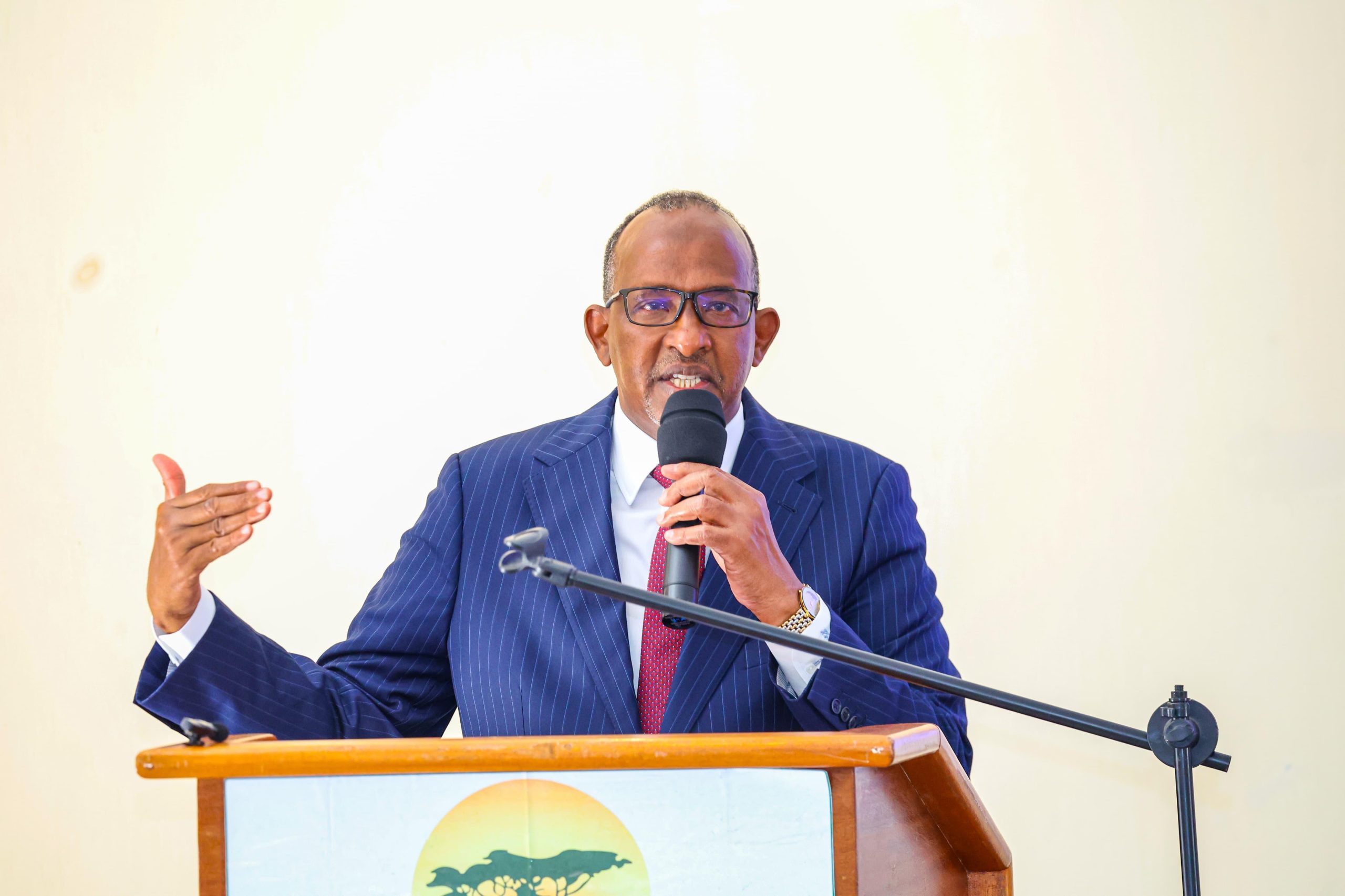
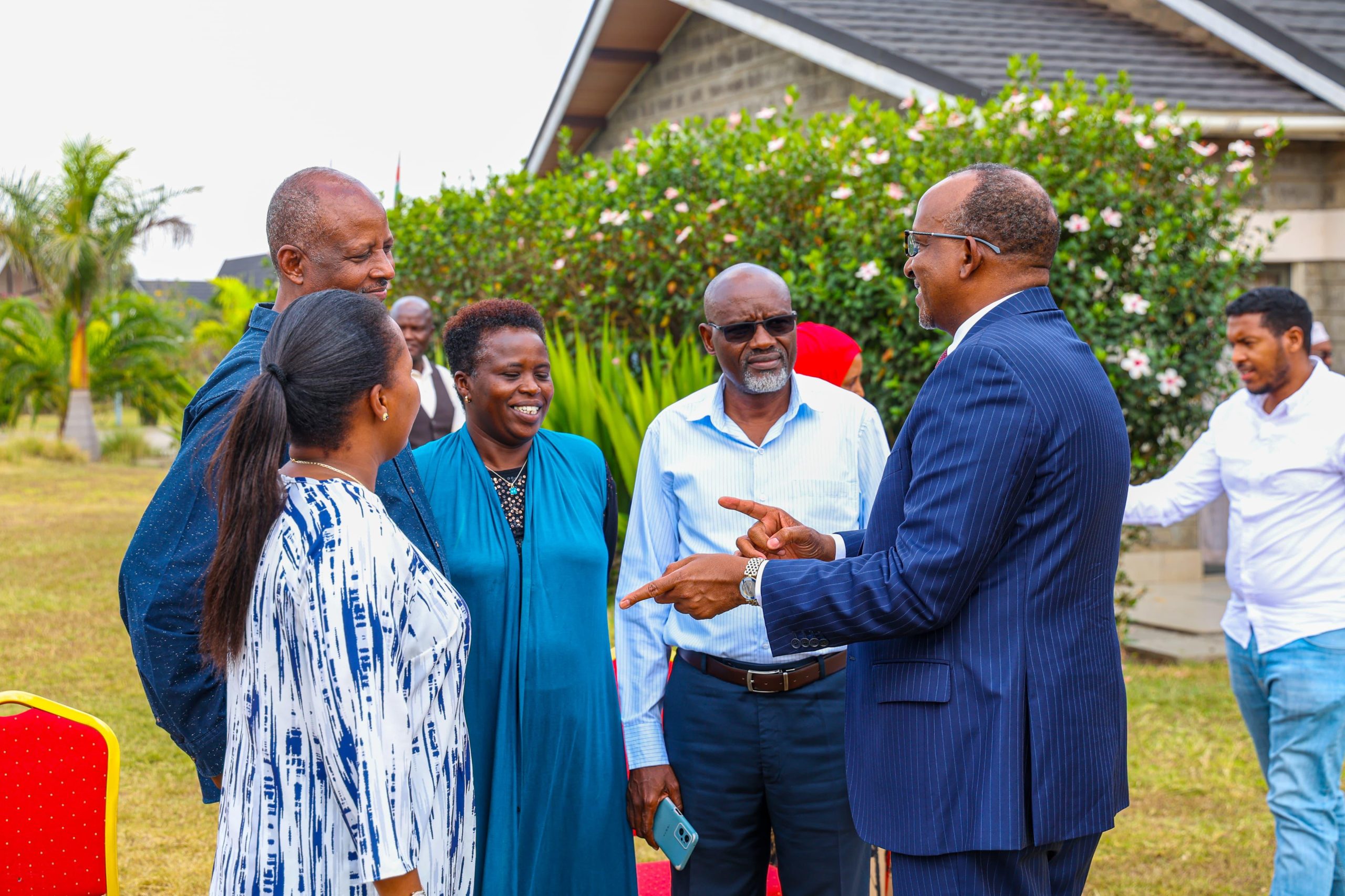
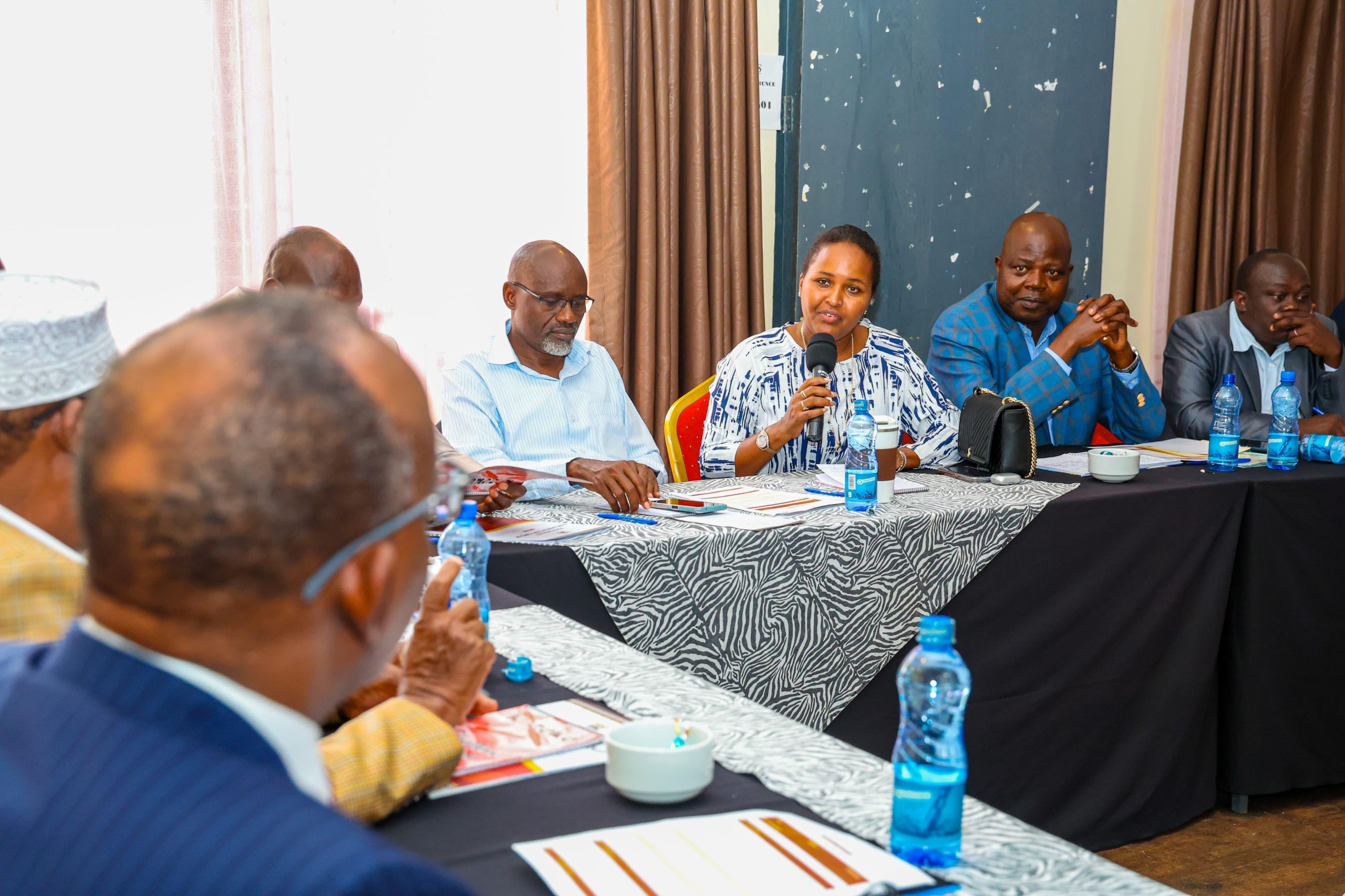
PPG Executive Committee With the Cabinet Secretary for Environment, Climate Change and Forestry Hon. Aden Duale EGH.


Notes by Jarso Mokku, Chief Executive Officer (CEO), Drylands Learning and Capacity Building Initiative (DLCI)

Introduction

The two-day retreat was a crucial preparatory step for the 4th Pastoralist Leadership Summit (PLS) in Wajir. This month, this event marked a significant activity for the Pastoralist Parliamentary Group (PPG) Executive Committee. The retreat, expertly organized by the Kenya National Assembly (KNA), provided a critical opportunity for the Executive Committee to review and enhance the PPG’s effectiveness and realign its objectives to the mandate of caucus.

On the first day, members engaged in presentations from various ministries and were invited to discuss key policies and government programs impacting pastoralist regions. The day’s highlight was a presentation from the Ministry of Environment, Climate Change, and Forestry, led by Cabinet Secretary Hon. Aden Duale, EGH. The Ministry’s presentation covered several crucial issues, including climate change adaptation strategies, the new regulation approved by the parliament on the carbon credits, national environmental management standards, and the 15 billion tree-planting initiative, which is targeting to focus 50% of land to be rehabilitated and restored from degradation in pastoralist areas.

Cabinet Secretary for Environment, Climate Change and Forestry Hon. Aden Duale EGH

The other key presentation focused on the Equalization Fund and discussed the proposed amendments to the draft bill before the national parliament. It also reviewed the performance and constraints faced in fulfilling the objectives outlined in Article 204 of the Constitution. This was led by a consultant from the World Bank’s Tackling Regional Inequality and Inclusion in Kenya (TRIINK) project, which commissioned a critical study to assess the implementation of national policies in Kenya’s Arid and Semi-Arid Land (ASAL).


The Ministry of Education made a presentation on NACONEK’s performance and challenges in meeting nomadic education goals and an overview of the Ministry of Water, Sanitation, and Irrigation’s progress in water development in pastoralist areas. There was also a discussion on cooperative sector development and government investment, highlighting its benefits to the people of Kenya and its lack of presence in pastoralist areas.


Livestock experts also shared insights from a holistic livestock sector development workshop, co-hosted by the State Department of Livestock, the Office of the President, Drylands Learning and Capacity Building Initiative (DLCI), and GATSBY Africa; the day concluded with a presentation on the state of preparedness for the 4th Pastoralist Leadership Summit (PLS), scheduled to take place in Wajir from 28th–30th November 2024.


Ten-point agenda of PPG work stream priorities

  1. National Budget and Supplementary Proposals: The Secretariat should closely monitor the national budget process and house proceedings and provide a critical analysis of the impact on pastoralist communities. This includes safeguarding budget allocations to livestock, rangeland development, climate change, environment, and education for nomadic families. Regular policy briefs with actionable recommendations should be shared with the ExCom and PPG members to inspire collective action to influence the budget.
  2. Bills and Motions in Parliament: The secretariat should monitor the parliamentary order paper and share pertinent issues with PPG members, ensuring the information is streamlined to avoid overload in WhatsApp pages. Critical bills and motions should be analyzed, and the Secretariat should organize engagement sessions with sector experts on contentious clauses that members need to be aware of either for their support or oppose. A critical meeting on the Equalization Fund need to be organized urgently to allow all the PPG members to discuss the draft bill, with DLCI securing independent experts to guide them.
  3. Improving Engagement with the Cooperative Movement in Kenya: The Secretariat will engage with SACCOS and cooperatives in different areas to understand their operations and benefits and inform the PPG members. It will continue to facilitate periodic meetings with Cabinet Secretaries and State Departments of interest, helping PPG members better understand policies and programs relevant to their constituencies. For example, what is the status of school feeding programs, drought response plans, or out-of-school children projects?
  4. Improving PPG Member Participation: The Secretariat should assist by preparing a timetable for scheduled meetings and encouraging engagement through sector or thematic champions in areas of interest, such as Peace and Security, Pastoralism & Livestock, Women’s Caucus, and Land & Natural Resources. Exposure visits should be organized where possible to allow members to experience these situations firsthand. When five members of Parliament have shown interest and demonstrated commitment, it is sufficient to drive change. The Secretariat should support the champion members in mobilizing the PPG group around the agenda and aim to schedule at least one monthly meeting or activity for PPG members. The Secretariat should also identify critical activities in the PPG counties, key projects, and significant events, notifying members to encourage participation.
  5. Enhancing Donor and Development Partner Engagement: The Secretariat is encouraged to engage with various development partners and embassies, assess the donor landscape, and educate PPG members on the dynamics of international aid and emerging trends in Kenya and globally. As a first step, it was proposed that the Secretariat contact relevant officials to organise a meeting between the EU Ambassador in Kenya and five PPG officials (Patron, Chair, Vice Chair, Secretary General, and Treasurer). The aim is to request a joint meeting with EU ambassadors to discuss development strategies and programmes for pastoralist areas.
  6. Developing a Session Agenda: Before each parliamentary session, usually 3-4 in a year, PPG members will convene to discuss, agree on, and set a priority for the period. The fourth Parliamentary session starts on 24 September 2024 and ends in December 2024. The Secretariat will schedule these meetings based on the parliamentary calendar, helping members reflect on progress and plan for future sessions.
  7. Sensitizing Members on the Purpose of PPG: To address misunderstandings among new MPs about the PPG’s role, the Secretariat will prepare a concise statement explaining the PPG’s history, mandate, and operational framework. The statement will also include what is expected from PPG members, and how PPG operates.
  8. Parliamentary Resources and Facilities: PPG can use parliamentary resources and facilities as a formally recognized parliamentary caucus. The Secretariat will organize periodic internal meetings with the parliamentary staff seconded to the PPG to enhance DLCI’s understanding of the parliamentary system and available resources.
  9. Pastoralist Leadership Summit (PLS): The Secretariat reported that preparations for the 4th PLS conference are progressing well. In the first week of September 2024, five PPG officials visited Wajir County. They selected Waberi Primary School as the conference location after consulting with the security committee and the County Government of Wajir. Sufficient funding for the summit has been secured, allowing plans for the conference to proceed as scheduled. The Secretariat is collaborating with parliamentary staff to prepare a statement to be issued in the House to inform the nation. The draft statement will be made available to the ExCom for approval before it is presented in the House in mid-October 2024. All parliamentary staff seconded to the PPG have been added to the WhatsApp group pages for the ExCom and PPG members. Staff from Parliament will join the Secretariat to enhance the team’s capacity to write and publish the 4th PLS conference report as an official document. The final report will belong to the national Parliament, and the conference resolutions will be shared with the relevant government departments. The PPG caucus will oversee the delivery of recommendations as part of its parliamentary duty.
  10. PPG Senate Caucus: The ExCom retreat approved the formation of a new PPG subcommittee, the PPG County Oversight, Resource Sharing, and Accountabilities Committee. The Secretariat will facilitate discussions among PPG senators to discuss this action.

The retreat highlighted the essential role of the PPG caucus and the ongoing support of DLCI in ensuring the voices of pastoralist communities are heard and acted upon within the national assembly. The ExCom remains committed to accelerating progress on the caucus’s agenda and continuing its vital work.


Other highlights from the Retreat:

The retreat underscored the PPG caucus’s position as one of the most active in the Kenya National Parliament. In light of this and other technical and policy advisory services, the ExCom members expressed their deep appreciation and gratitude to DLCI for its unwavering support in making the PPG a vibrant and compelling caucus. The Patron said, “We (the members of parliament) have a lot of respect for the work done for us by the DLCI as the PPG Secretariat.” This sentiment was echoed by other ExCom members who highlighted DLCI’s consistent ability to rise to the occasion, regardless of the PPG’s pace of work fluctuations. The ExCom members expressed their heartfelt gratitude to the Secretariat for their exceptional work.


The ExCom also emphasized the need to fully utilize DLCI’s expertise, particularly in providing technical and policy advisory services. DLCI, led by the CEO and members of the secretariat, was encouraged to engage more proactively with PPG members, for example, by holding informal meetings on issues of interest to the pastoralist communities at parliament’s dining areas where MPs often gather.


Moreover, the ExCom stressed the importance of accelerating the PPG’s workflow during the remainder of the 13th Parliamentary term. The DLCI team, strengthened by additional capacity from the Kenya National Parliament, was urged to prepare itself to continue supporting the PPG caucus as a critical parliamentary force committed to ensuring security, unity, and prosperity for Kenya’s pastoralist communities. DLCI would also support PPG in achieving its mission of providing political leadership in developing and overseeing the implementation of national policies and legislation that seek to achieve pastoralism’s full potential.

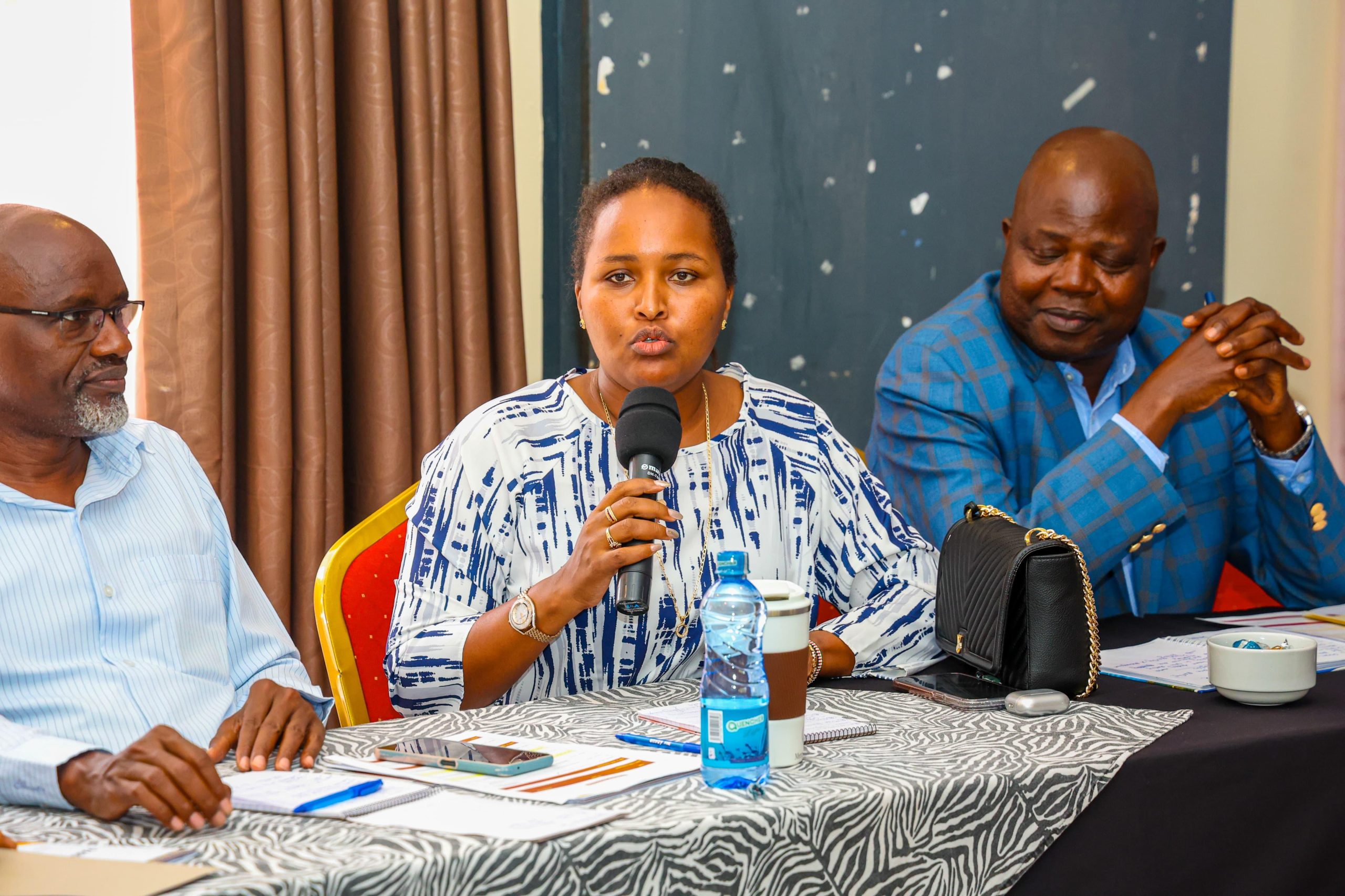
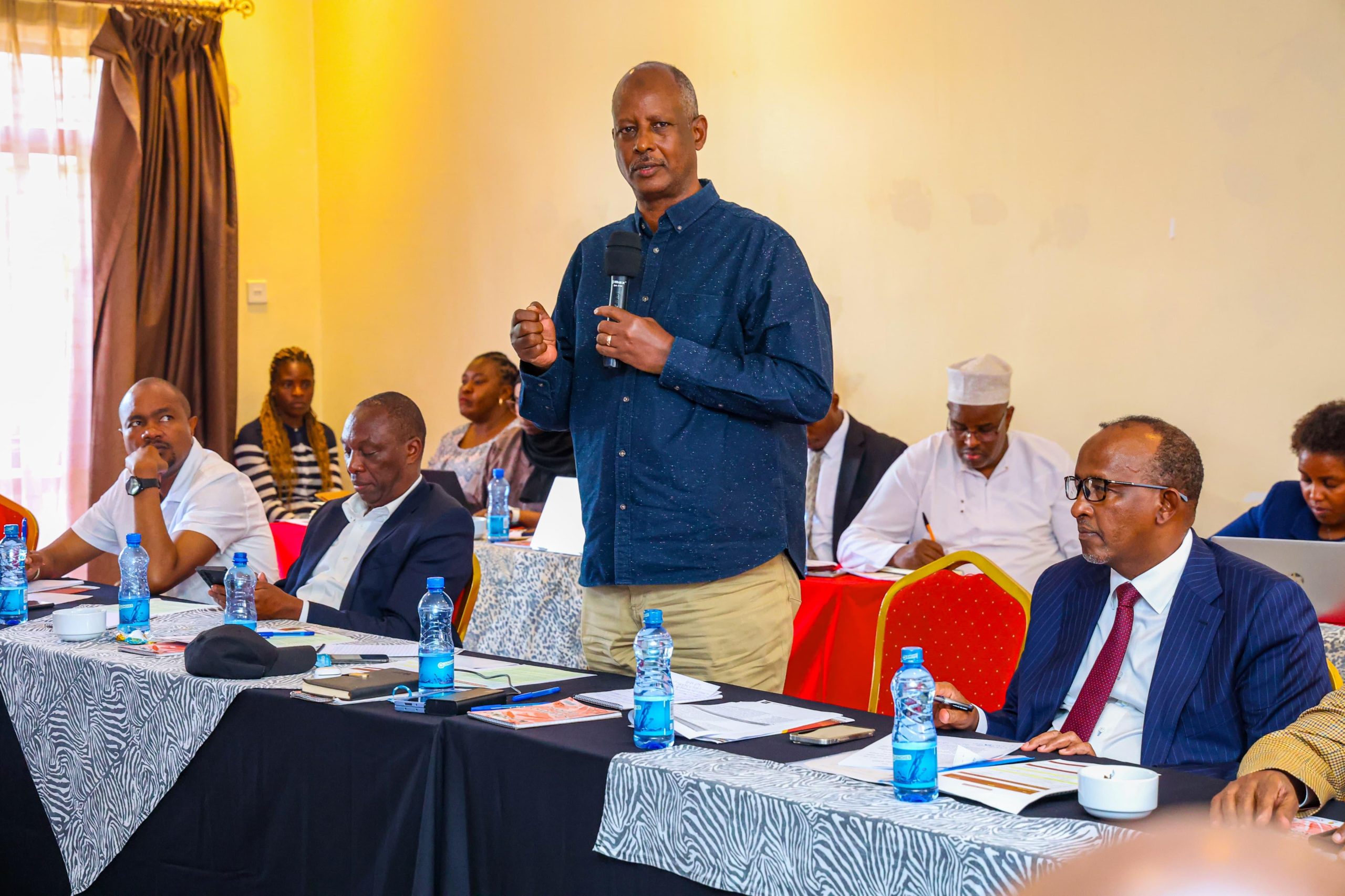
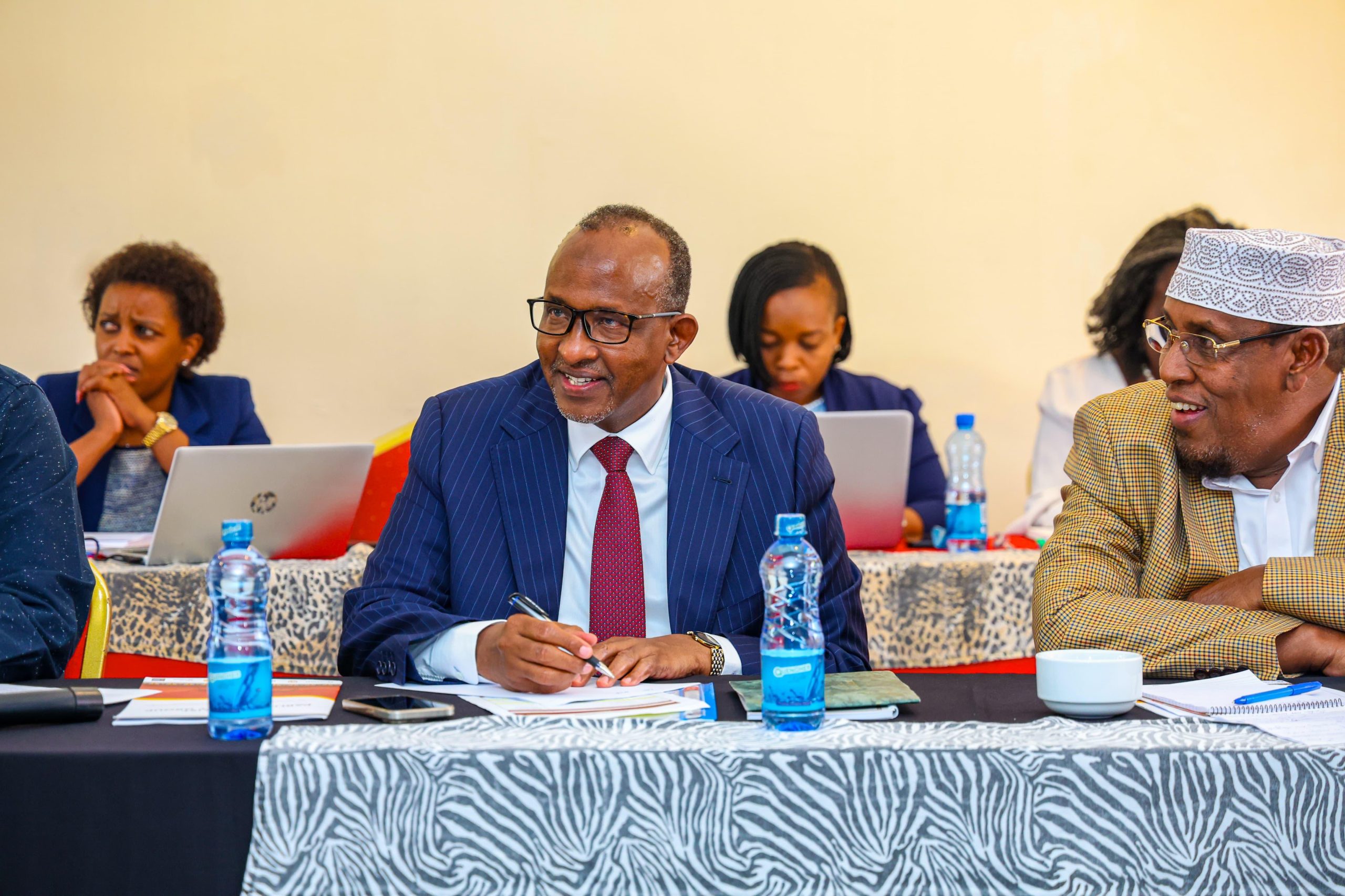
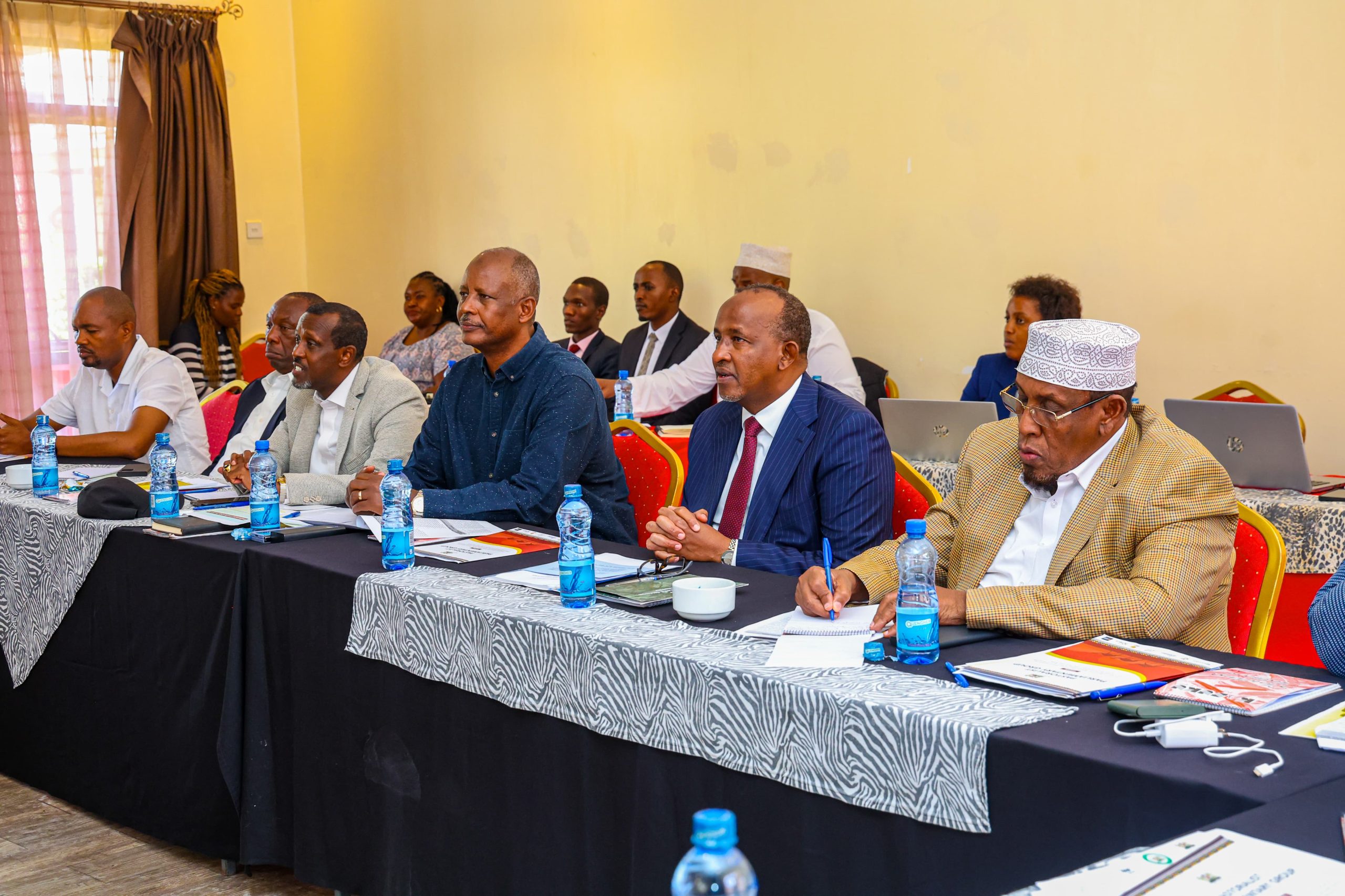
Photo Gallery


Indigenous Peoples’ Call to Action Addressing Global Challenges Through Our Traditional Stewardship

Indigenous Peoples from 40 organizations across six African countries have convened in Kenya to address critical global challenges like climate change and human rights. They highlight the importance of their traditional knowledge in environmental stewardship and call on governments and donors to continue supporting their efforts.

We invite you to read the full document to learn more about their call for a new Pledge that empowers Indigenous communities to protect their lands and heritage: Indigenous Peoples’ Call to Action Addressing Global Challenges Through Our Traditional Stewardship

Recap: Annual Linking & Learning (L&L) Event – “The Power of Now Us: Empowering Voices for Lasting Change”

Here is a short recap of our Linking & Learning and Voice close-out event hosted from May 27th to 31st. Join us in celebrating collaboration, innovation, and the strength of collective action as we mark the successful conclusion of the Voice program in Kenya.

Hi! I'm DLCI's AI assistant. What can I help you find today?