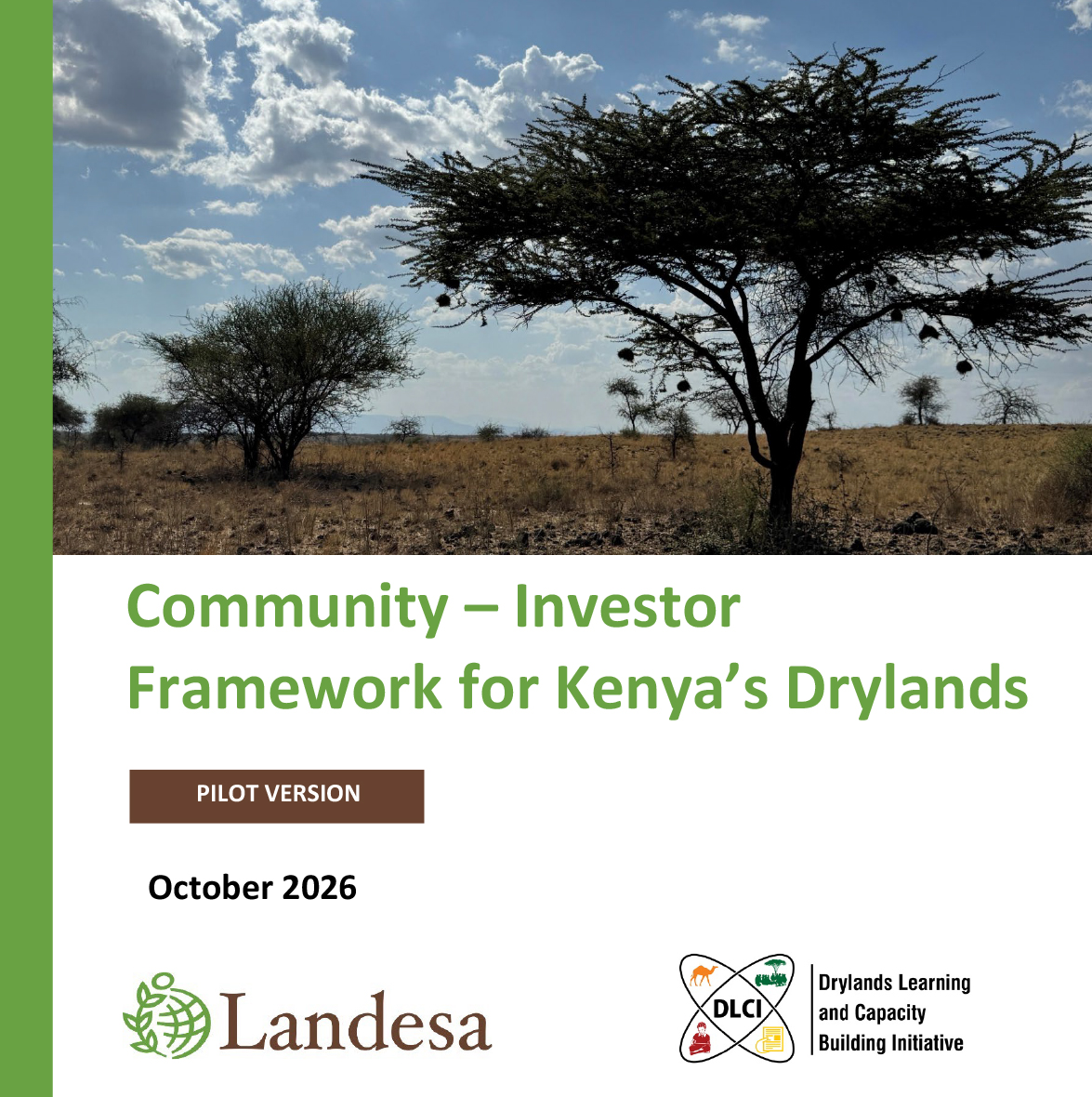
DLCI and Landesa launch the Community–Investor Framework for Kenya’s Drylands
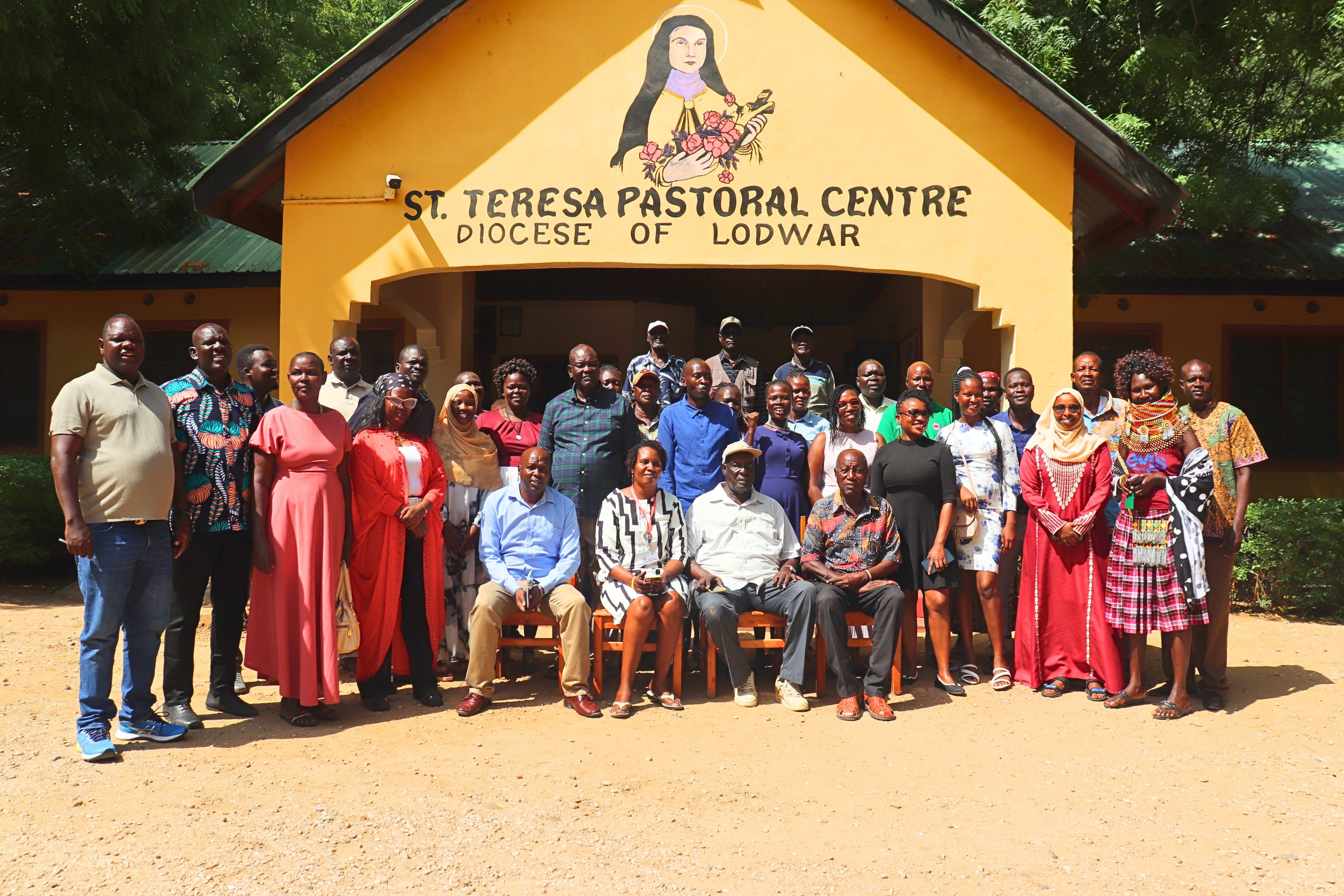
Drylands Learning and Capacity Building Initiative (DLCI), in collaboration with Landesa and with contributions from key institutions and stakeholders, including the Kenya Institute for Public Policy Research and Analysis (KIPPRA), The University of Nairobi (UoN), The State Department for ASALs, David Lesamana, Chairperson of the Nairimirimo Community Land Management Committee (CLMC) in Samburu County, and consultant Jackson Wande, has developed the Community–Investor Framework for Kenya’s Drylands.


The Framework is a practical resource designed to strengthen engagement between communities, investors, government institutions, and other stakeholders involved in land-based investments. Its development and validation drew on institutional, technical and community perspectives to strengthen its relevance to the realities of Kenya’s drylands.

As interest in investment opportunities across Kenya’s drylands grows, particularly in sectors such as renewable energy, conservation, carbon markets, mining and agriculture, there is an increasing need for approaches that safeguard community land rights while creating opportunities for inclusive and sustainable development.

The Framework responds to this need by providing a structured process for engagement throughout the investment cycle. It outlines seven phases, from initial introduction and due diligence to community preparation, Free, Prior and Informed Consent (FPIC), negotiation, agreement implementation, monitoring and exit.

Importantly, it provides practical guidance to ensure communities are adequately informed, their representatives are meaningfully involved, and decisions concerning community land are made through inclusive and transparent processes. It also reinforces a fundamental principle: participation in discussions should never be mistaken for consent to an investment.

From framework development to practical application
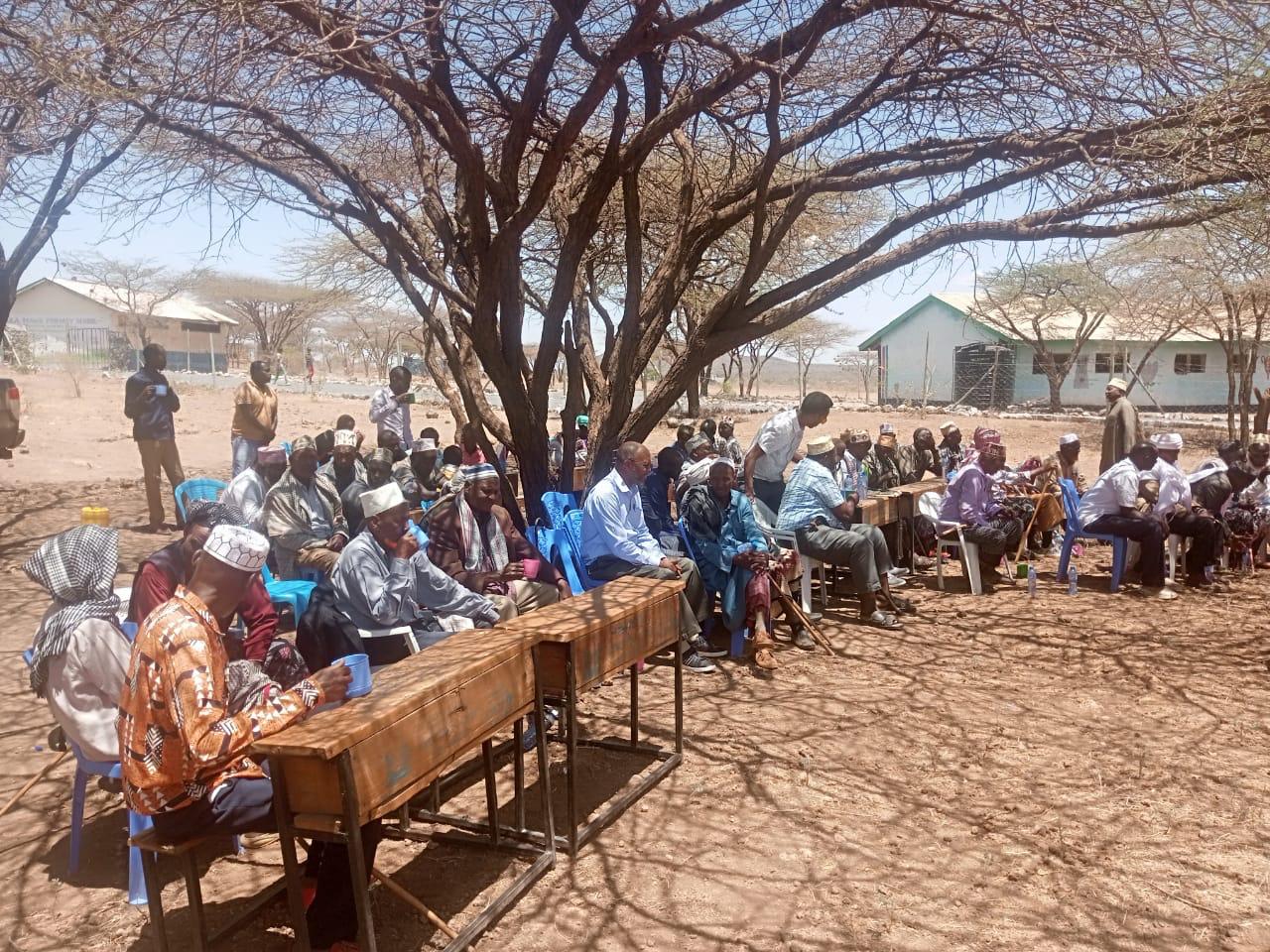
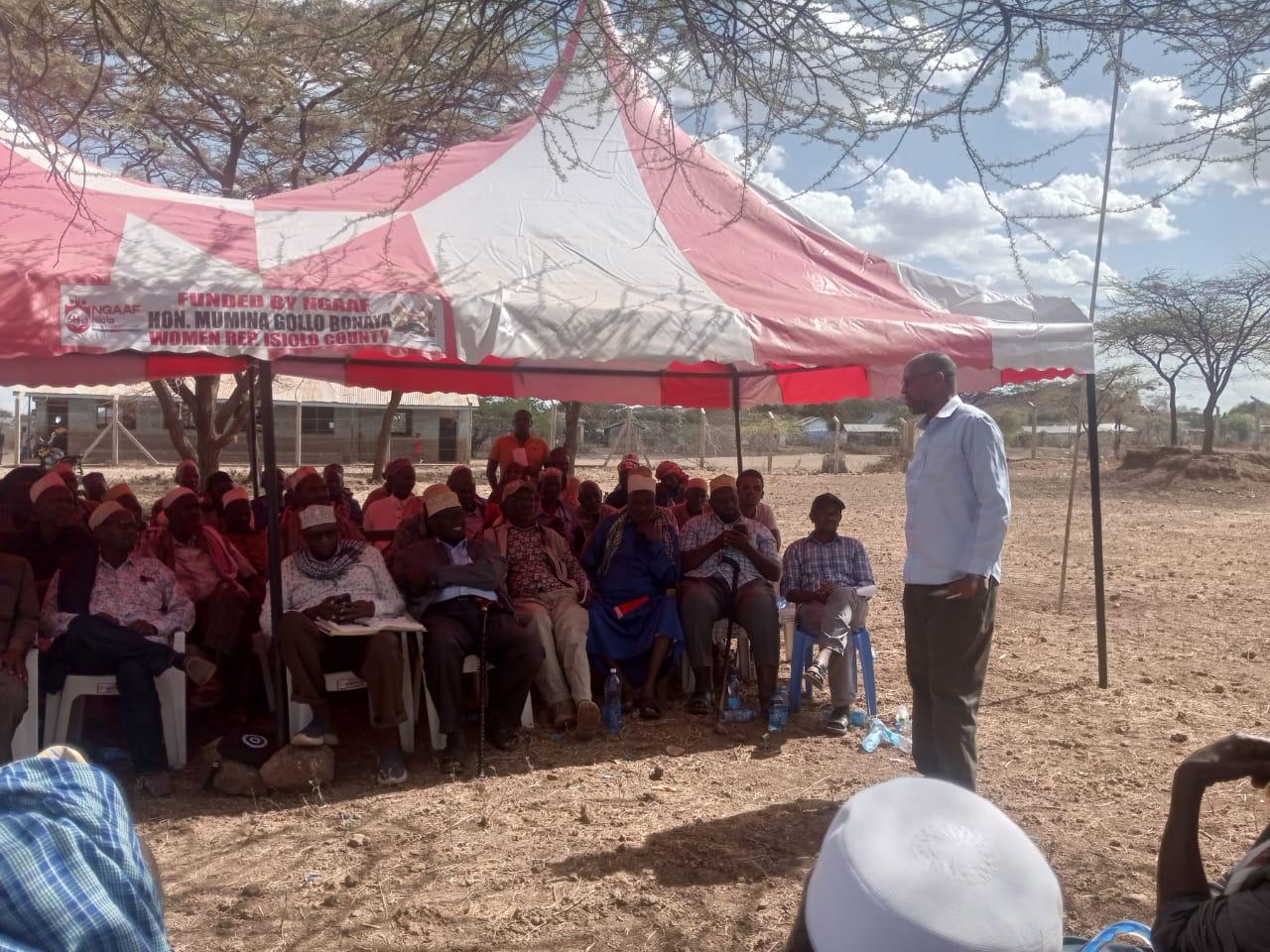
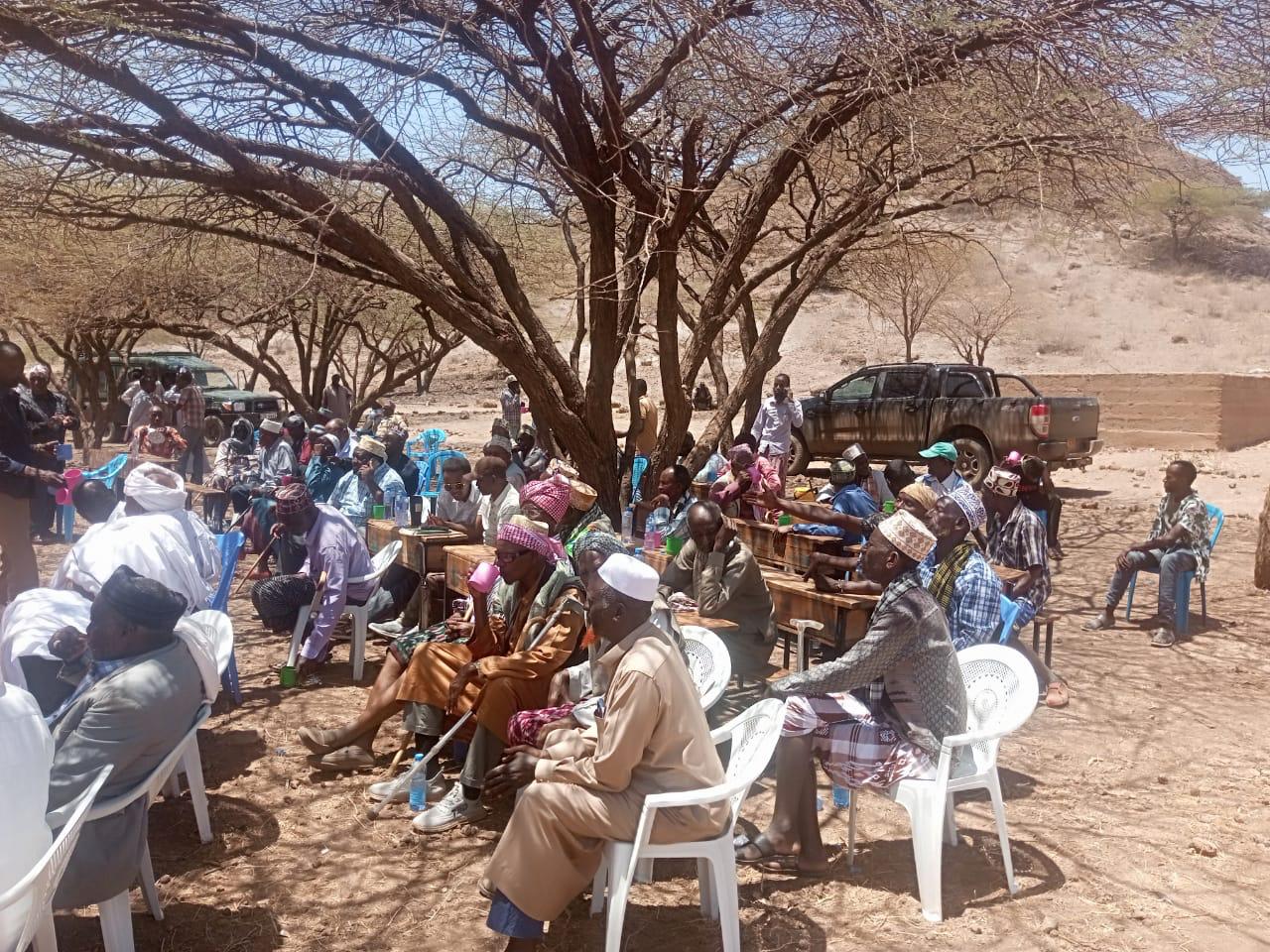
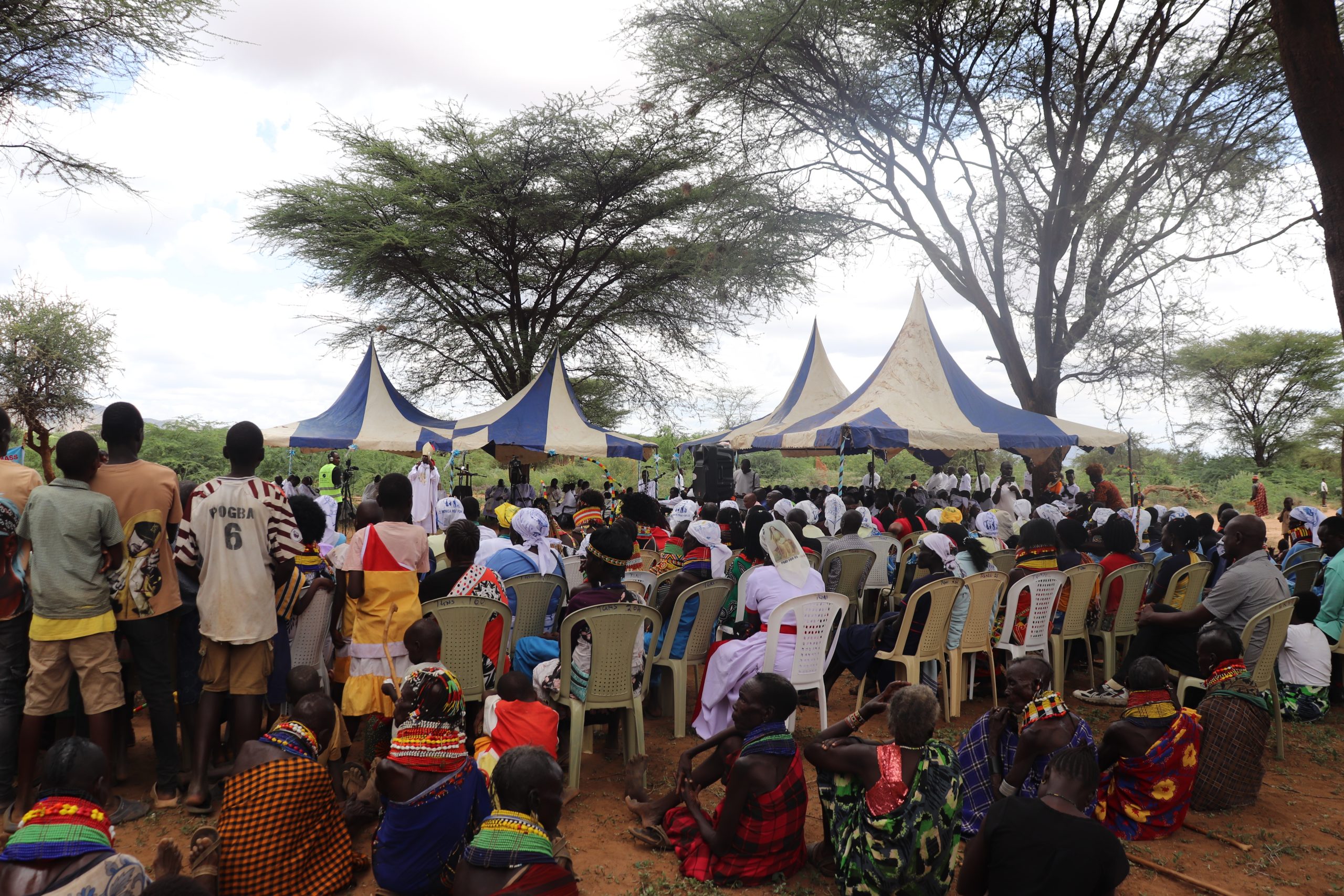
The Framework is currently being piloted in selected communities in Isiolo and Samburu counties. Lessons from these engagements will inform its refinement and wider application, with the longer-term ambition of contributing to stronger policy and institutional approaches to land-based investments.

Through this initiative, DLCI and Landesa seek to promote more accountable and equitable investment partnerships that recognise community rights, protect livelihoods and support sustainable development in Kenya’s drylands.

For more information, enquiries about participating in the pilots, or feedback from applying the Framework, contact: 

Moyale Border communities need civilian protection, humanitarian support, and peaceful dialogue

By Dr. Jarso Mokku—CEO DLCI

For families living near the Moyale border, peace is not an abstract diplomatic goal. It means being able to sleep safely, send children to school, reach a health facility, and earn a living without fear. Any response to violence in the border region should begin with these everyday needs—not with competing claims of loyalty or blame.

As a Kenyan with personal ties to the region, I’m concerned for everyone whose life may be affected by the ongoing border conflict. Those ties strengthen my belief that compassion must extend across community and national boundaries. No family’s safety should depend on its identity, political affiliation, or place of origin.

https://vt.tiktok.com/ZSgqNQbMU

The starting point should be clear: protect civilians, prevent further violence and create space for a peaceful settlement.

Disputes over territory, administration, or community relations should be carefully verified and resolved lawfully through the appropriate institutions. Public commentary should avoid presenting contested claims as settled facts or conflating communities with governments, political movements, or armed actors. Respect for national sovereignty can go hand in hand with humanitarian concern and constructive diplomatic engagement.

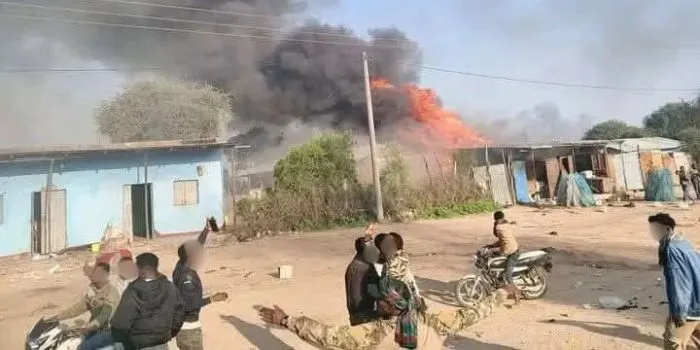
Several shops set on fire in Moyale as rival communities clashed on Thursday, October 22, 2026: Photo Najiib Ndayib

Public representatives, community leaders and other influential voices have an important opportunity to reduce tensions. The same standard should apply to everyone: urge restraint, reject retaliation and make clear that civilians must never be targeted. Leadership in a crisis should be measured by its contribution to public safety and peaceful solutions, not by the intensity of its rhetoric.

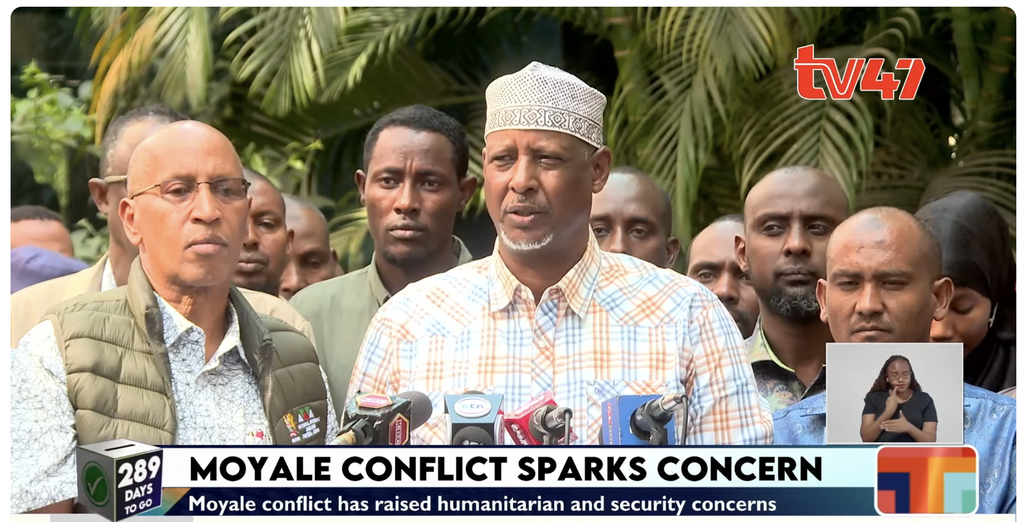
Leaders from Marsabit County addressing the media in regard to the ongoing conflict in Moyale: Photo credits, TV47-Kenya

Concern for relatives and neighbors across a border is natural. It is best expressed through relief, family support, and advocacy for peace—not calls for confrontation. No community should be held collectively responsible for the actions of particular individuals or armed groups.

Protecting civilians must remain the top priority. Everyone involved in the violence should stop attacks on civilians, safeguard medical services, and ensure humanitarian workers can safely reach those in need. Efforts to restore security must uphold human rights and avoid putting families at greater risk.

Humanitarian assistance should be based solely on need. Food, clean water, shelter, essential medicines, and support for separated families should be provided without discrimination. Local residents offering refuge may also need assistance. Relief efforts should be coordinated with competent authorities and experienced humanitarian organizations, while protecting the dignity and privacy of those receiving help.

Video by DW addressing the imact of the clashes

For Kenya, a constructive response should make three practical commitments:

First, coordinate humanitarian support. National and county authorities should work with relief organizations and local communities to assess needs, sustain essential services, and clearly explain where people can access assistance.

Second, protect border communities through lawful, proportionate security measures. Public safety and humane treatment should go hand in hand. People seeking safety should not face collective suspicion, and humanitarian assistance should not be mistaken for support for any party to a dispute.

Third, support peaceful engagement through appropriate diplomatic and community channels. Respecting neighboring authorities’ responsibilities does not mean ignoring suffering. Cooperation should focus on reducing tensions, facilitating relief, and encouraging negotiated solutions.

Responsible public communication is just as urgent. Before sharing a claim, photograph, or video, public figures, journalists, and social media users should verify its source, date, and location. If information remains uncertain, that uncertainty should be stated clearly. Mistakes should be corrected promptly, and identifying details that could put people at risk should not be shared.

Restraint does not mean staying silent about suffering or wrongdoing. It means separating verified facts from allegations, rejecting dehumanizing language, and avoiding collective blame. Alleged abuses should be documented safely and referred to credible investigative processes. Accountability should focus on individual responsibility through lawful procedures, not be used to justify retaliation.

Peaceful dialogue must do more than call for calm. Appropriate authorities and trusted mediators should help affected communities identify immediate safety concerns, set up reliable channels for resolving incidents, and address grievances without threats. Elders, civil society groups, traders, and other community representatives can help ensure the process is inclusive. Agreements should also include clear follow-up arrangements so commitments lead to greater safety.

For pastoralist families in the drylands, protecting lives also means safeguarding livelihoods and access to essential services. The most effective public message is practical: protect every civilian, provide assistance according to need, verify information before speaking, and keep the door open to dialogue. Peace is not a concession to either side; it is the foundation that allows every family to rebuild its future.

Pastoralist Women form a Global Network and agree on Global Priorities in Kathmandu Declaration

More than 90 pastoralist women from 40 countries and every inhabited continent gathered in Kathmandu, Nepal, May 26-29 to identify shared priorities for a more just, resilient, and peaceful planet, to form a global network of pastoralist women, and to create a strategy to ensure their priorities are included in global environmental decision-making.


Read More: IYRP Pastoralism and Gender Working Group update


IYRP Pastoralism and Gender Working Group - Women Group photo


Graphic representation: Hillary Semeyan

Photos: Jitendra Raj Bajracharya/ICIMOD

#IYRP2026 #PastoralistWomen 

A Historic Acknowledgment: President Ruto, Sessional Paper No. 10, and the Redressing of Northern Kenya’s Past

“Sessional Paper No. 10 of 1965 entrenched a development paradigm that concentrated development in the so-called ‘high potential’ areas. Vast regions like the former North Eastern Province were classified as marginal, as lesser, and as undeserving.”

Those words, spoken by President William Ruto during the 63rd Madaraka Day celebrations in Wajir, will remain among the most powerful acknowledgments ever made by a sitting Head of State of the historical injustices suffered by Northern Kenya.


Photo Credits: Echoes of Truth

Thank you H.E President Dr. William Ruto for Hosting Madaraka Day 2026 in Wajir County


Thank you message for H.E President William Ruto

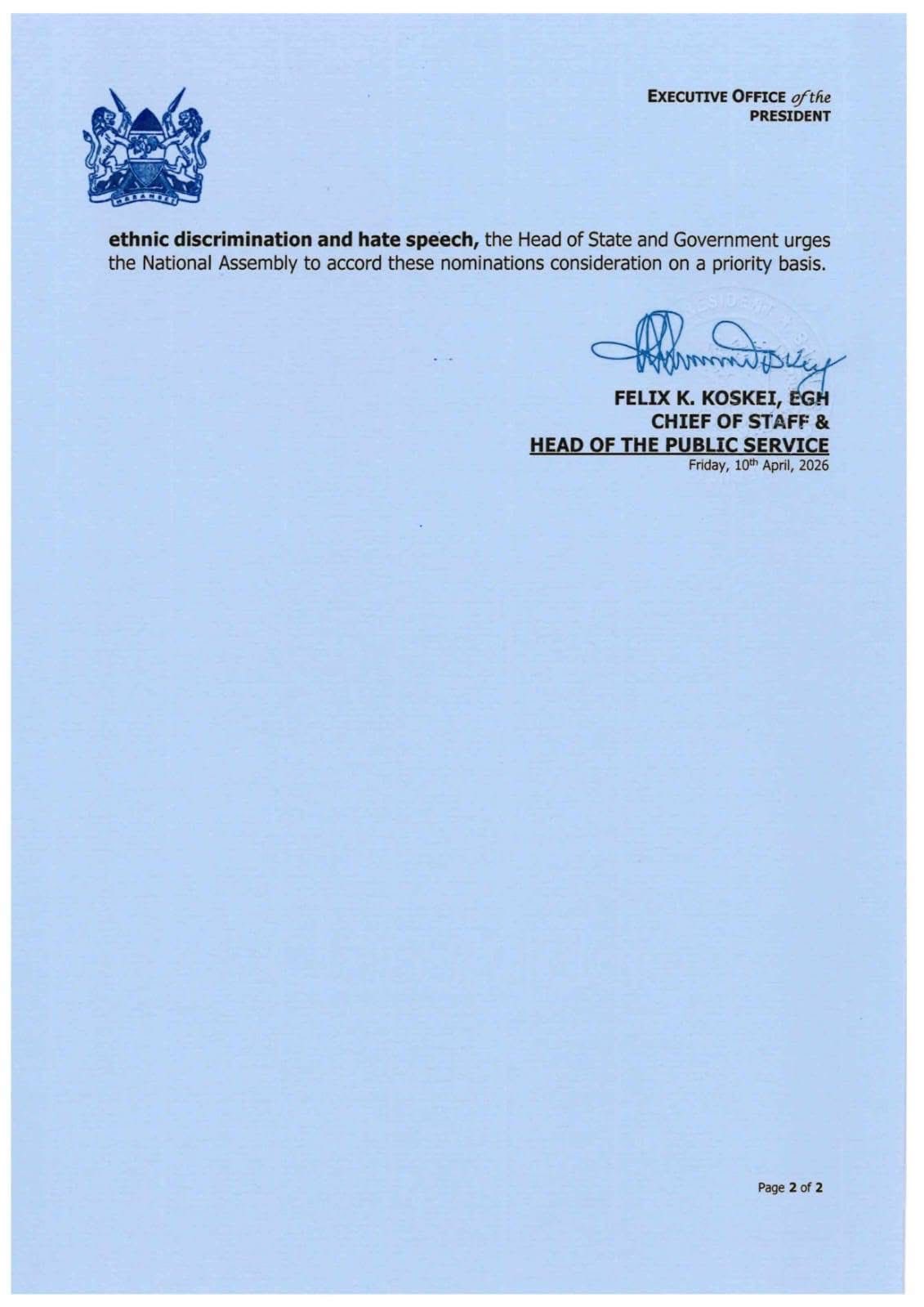
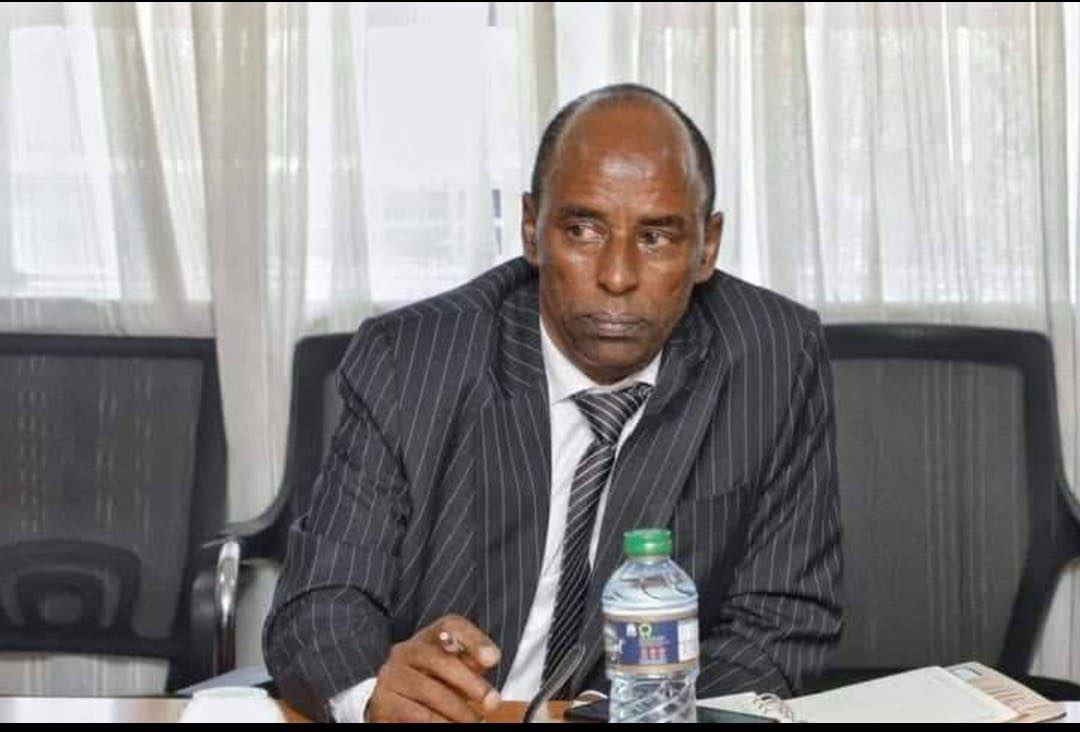
PPG Congratulates Wajir, Isiolo, and West Pokot Nominees to NCIC

Statement by the Chairman, Pastoralists Parliamentary Group (PPG)

The Pastoralists Parliamentary Group (PPG) congratulates the three nominees from the counties of Wajir, Isiolo, and West Pokot on their nomination as members of the National Cohesion and Integration Commission (NCIC).

The Chairman of the PPG, Hon Major Bashir Abdullahi, has welcomed the nominations and expressed appreciation to H.E. the President for the continued recognition and inclusion of pastoralist communities in national institutions.

These nominations reflect an important step toward ensuring representation and inclusion of pastoralist regions in national cohesion and integration efforts.

As the nominees proceed to the next stage of parliamentary approval, the PPG extends its best wishes and support.

FULL STATEMENT BY HON MAJOR RTD. BASHIR ABDULLAHI:

“Let me take this opportunity on my own behalf and on behalf of the Pastoralists Parliamentary Group (PPG) to congratulate the three nominees from the pastoralist counties of Wajir, Isiolo and West pokot for their nomination as members to the National Cohesion & Integration Commission ( NCIC).
I wish to thank H.E the President for the timely nomination and his continued consideration towards the pastoralist communities.
As they go to the next stage of parliamentary approvals, I wish them all the best.”

Reframing the Drylands: From Vulnerability to Underserved Potential

Article by Dr. Jarso Mokku, – CEO, Drylands Learning and Capacity Building Initiative

A new synthesed SPARC report title – The drylands of tomorrow: pathways to prosperity, peace and resilience”. This report brings together six years of research learnings and took stock of the challenges and opportunities facing pastoralism and agriculture in the drylands and highlights where future investment might be most effective.

For too long, the drylands have been spoken of in deficit terms—empty, fragile, barren. These narratives carry enduring power, shaping policy and investment in ways that sideline the very communities who have sustained life in these landscapes for generations. But the challenges faced in the drylands today are not the result of inherent vulnerability. They are the result of neglect. The drylands are not empty; they are underserved.

To support better futures, we must reshape how drylands are understood and served. This must begin with language. Words matter. When we describe drylands as wastelands, we erase centuries of ingenuity—scientific pastoralist mobility strategies, water harvesting techniques, and cultural governance systems that have enabled survival and prosperity in harsh climates. These are not folk tales of the past; they are living strategies that continue to adapt to modern pressures in the face of climate change.

Investments in drylands must reflect this reality. Too often, external models are imposed without regard for local priorities. Communities in drylands are not waiting for salvation; they are asking for recognition, respect, and resources that align with their own visions and realities. Land security, women’s leadership, livestock development, and climate-smart livelihoods—these are the priorities voiced by those who know the land best.

A herder herding cows in the drlands of  Alale, west pokot, Kenya

Reframing the narrative also means elevating drylands as hubs of innovation and heritage. They are not margins of vulnerability but centers of resilience. By shifting the discourse from deficit to potential, we can unlock new pathways for inclusive growth, ecological stewardship, and cultural pride.

The enduring power of negative narratives must continue to be challenged. Supporting better futures in the drylands requires us to speak differently, invest differently, and most importantly, to listen differently. The drylands are not waiting to be filled; they are waiting to be heard.

THE PASTORALIST PARLIAMENTARY GROUP MOURNS THE PASSING OF ISIOLO SOUTH MP, HON MOHAMED TUBI

INNALILAHI WA INNA ILAYHI RAJI’UN

On my behalf and on behalf of the Pastoralist Parliamentary Group, I extend my heartfelt condolences on the passing of Hon. Mohamed Tubi, MP for Isiolo South.
Hon. Tubi was an outstanding parliamentarian, a humble leader, and a true champion of pastoralist rights and national unity. In the National Assembly, he distinguished himself through his wisdom, courage, and unwavering dedication to the welfare of his people and all Kenyans. His calm demeanor and firm commitment to service earned him the respect of colleagues across the political divide.
We stand in solidarity with his family, friends, and the great people of Isiolo South during this painful moment of loss. May Allah grant him Jannatul Firdaus, forgive his shortcomings, and give patience and strength to all who mourn him.

United for Land, Legacy, and Livelihood: – Pastoralist Communities Push Back Against Fragmentation and Resource Destruction in Isiolo.

Article by Dr. Jarso Mokku. Chief executive Officer, Drylands Learning and Capacity Building Initiative


On Mashujaa Day, while the nation honored heroes past and present, 150 pastoralist elders from five Dedha communities gathered in Kulamawe to write a new chapter of collective resistance and renewal. Their mission was clear: to defend their ancestral rangelands, accelerate community land registration, and confront the growing threats to their autonomy, ecology, and cultural integrity.

Operating under the banner of Gumi Waso—a traditional alliance of dryland communities—the elders from Sericho, Garbatulla, Kina Kulamawe Gotu, and Chari Dedha stood in solidarity with the Kina Kulamawe Gotu Dedha Community Land Management Committee (CLMC), whose land registration process has been stalled by alleged interference from the Isiolo County Community Land Registrar. Though Cherab Dedha delegated was absent due to mourning the tragic killing of five young men, their spirit was felt in every resolution that was passed at the gathering.


Gotu- dedha community land management committee

At the heart of the dispute lies a troubling attempt to fragment the Kina Kulamawe Gotu Dedha community assembly by carving out Gotu location to form a separate CLMC. This move, reportedly initiated by community land registrar without consultation with the legally elected 15-member CLMC—of which Gotu already has two representatives—has triggered a High Court petition and halted the entire registration process. The elders, led by CLMC Chairman Mzee Osman Dima Jillo, condemned the registrar’s actions as a violation of community agency and a threat to the integrity of their rangeland governance.

But this gathering was not just about land title. It was a clarion call to defend the rangelands, the ecological and cultural lifeblood of Isiolo’s drylands. Delegates raised alarm over rampant land grabbing in Garbatulla Dedha and the widespread destruction of the Kina community forest—a vital drought-grazing community reserve and biodiversity refuge shared by all five Dedha. The forest’s degradation, driven by unchecked exploitation and weak enforcement, has reached crisis levels. In response, the elders called for an urgent meeting in Kina within seven days, mobilizing men, women, and youth to halt the destruction and restore stewardship.

Insecurity also loomed large in the discussions. The influx of pastoralists from neighboring counties into Chari and Cherab Dedha has intensified competition over Chari rangeland resources, undermining drought resilience and threatening peace. Delegates warned that without coordinated community-led management, these external pressures could spiral into intercommunity conflict and ecological collapse.

pastoralist communities of isiolo and marsabit

To counter these threats, the Gumi Waso elders committed to sustaining rotational, independent Dedha assemblies—grassroots forums where men, women, and youth deliberate on resource governance, peacebuilding, and development. These meetings, that will be self-funded and community-owned, are a powerful assertion of pastoralist agency in a landscape often dominated by external agendas. The next assembly will be hosted by Sericho Dedha, followed by Cherab Dedha, reaffirming the rotational principle that ensures inclusivity and continuity.

One of the most forceful resolutions from the gathering was a demand for political non-interference and NGOs not brand their meeting as their own. Elders urged politicians to respect community processes and refrain from manipulating land governance for electoral or personal gain. They also called on NGOs to stop branding community meetings as their own, emphasizing that support must be limited, requested, and aligned with community priorities. The message was unmistakable: pastoralist communities are not passive beneficiaries—they are active architects of their future.

This stance reflects a deeper philosophical shift. For decades, dryland communities have been portrayed as vulnerable, backward, or dependent. But the Gumi Waso initiative flips that narrative. It asserts that pastoralists are stewards of vast ecological systems, holders of intricate indigenous knowledge, and defenders of cultural heritage. Their governance structures—Dedha system—are not relics of the past but vibrant living institutions capable of navigating modern challenges.

The Mashujaa Day gathering also served as a reminder that land is not just a commodity—it is memory, identity, and survival. The elders spoke not only of boundaries and titles but of their ancestors buried in these rangelands, of seasonal migration routes etched into the soil, and of the moral obligation to pass on intact ecosystems and biodiversity protection knowledge to future generations. In this sense, the fight for land registration is also a fight for historical justice and intergenerational continuity.

As Kenya continues to implement the Community Land Act, the Isiolo experience offers critical lessons. First, land registration must be anchored in community consent and representation. Attempts to impose parallel structures or bypass elected committees erode trust and fuel conflict. Second, ecological protection must be integrated into land governance. Forests, water points, and grazing corridors are not optional extras—they are the foundation of pastoralist resilience. Third, transparency and collaboration must guide all engagements with government and civil society. Token consultations and top-down interventions only deepen alienation.

The Gumi Waso elders have charted a bold path forward. They have refused to be divided, refused to be silenced, and refused to be sidelined. Their unity, forged in the fires of adversity and rooted in ancestral wisdom, is a model for community-led development across Kenya’s drylands.

As the sun set on Kulamawe on October 20th, the elders did not just mark Mashujaa Day—they embodied it. Their courage, clarity, and commitment to land, legacy, and livelihood make them heroes in every sense of the word.

Now, it is up to the rest of us—government officials, civil society actors, and fellow citizens—to listen, learn, and stand with them.

Partnerships for Peace – Dignity for All: A Borderlands Reflection on the International Day of Peace


Article by Hillary Kitel, programs and communications officer at Drylands Learning and Capacity Building Initiative 

The borderlands that connect Turkana, North Pokot, and Uganda’s Karamoja are places of extraordinary resilience. For generations, pastoralist communities have lived with courage and dignity, navigating harsh climates, porous borders, and recurring insecurity. Yet, these communities often bear the brunt of systemic failures—when governance falters, when investment is absent, and when peacebuilding is reactive rather than preventive.

On this International Day of Peace, under the theme “Partnerships for Peace—Dignity for All,” we are called to reflect not only on the challenges but also on the opportunities for transformation. The Turkana–Pokot–Karamoja corridor is not just a zone of crisis—it is a frontier of possibility, where partnerships rooted in trust, equity, and local leadership can build lasting peace.

Recent research and field reporting show that the drivers of violence in these borderlands are complex. Climate stress, competition over scarce resources, the spread of small arms, and weak cross-border governance intersect to produce recurrent insecurity. Livestock raids and retaliatory attacks are not isolated events—they are symptoms of deeper structural issues. And yet, the response has too often been reactive, focused on containment rather than prevention.

Across 2024–2025, however, we have seen a shift. County governments, civil society organizations, and regional actors are investing in locally led peace and resilience programs that help communities anticipate climate risks, de-escalate tensions, and rebuild trust. These initiatives are grounded in partnership—between communities and counties, between faith leaders and policymakers, and across borders.

Launch of  cross-border peace and climate resilience program by The Danish Refugee Council, Turkana County Government and Local partners ApAD, AWR

Faith leaders and community groups have played a vital role in calming tensions and fostering social cohesion. The Lorengippi “Pilgrims of Hope” Mass, which brought together communities from Turkana, Pokot, and Karamoja, is a powerful example of how shared spiritual and civic spaces can create breathing room for dialogue and reconciliation. These gatherings restore dignity and open doors for practical cooperation on resource sharing and conflict resolution.


The Cross-Border Peace mass in Lorenkipi, Turkana County. - Hosted by the Catholic church dioceses of Moroto, Kitale and Lodwar

The Cross-Border Peace mass in Lorenkipi, Turkana County. – Hosted by the Catholic church dioceses of Moroto, Kitale and Lodwar

To build durable peace, we must pursue four practical pathways:

  1.  Invest in anticipatory drought risk management systems that deliver timely weather and early-action information to pastoralists. This enables communities to move livestock, protect water sources, and reduce losses before crises escalate.
  2.  Formalize and scale local resource-sharing agreements and cross-border mechanisms that transform “corridors of raids” into corridors of trade and exchange. These agreements must be rooted in community consent and coordinated across counties and nations.
  3. Accelerate community land registration and inclusive land-use planning to secure grazing areas and attract sustainable investment. Land tenure security is foundational to peace and prosperity in pastoralist regions.
  4.  Pair disarmament and trauma-healing with livelihood alternatives for youth, reducing the economic incentives for raiding and fostering long-term stability.

These approaches must be locally owned and maintained through long-term partnerships. Peacebuilding in the Turkana–Pokot–Karamoja corridor is not a quick fix—it requires patient collaboration between communities, faith and traditional leaders, county governments, CSOs, regional bodies, and private investors. It also demands that national and regional policies prioritise prevention, inclusive governance, and resilient livelihoods over reactive security responses.

The good news is that the ingredients for success are already present. Communities are committed. Local leadership is growing. Pilot programs are showing early wins. What is needed now is sustained support and political will to scale these efforts and embed them in policy frameworks.

Participants of the local authorities and private sector training on Strengthening Locally Led Solutions Intersecting Peace, Gender, and Climate Challenges in the Borderlands of Kenya, South Sudan, and Uganda

Participants of the local authorities and private sector training on Strengthening Locally Led Solutions Intersecting Peace, Gender, and Climate Challenges in the Borderlands of Kenya, South Sudan, and Uganda

On this International Day of Peace, we celebrate the quiet, persistent work of those who reduce tension, restore dignity, and create space for cooperation. At the Drylands Learning and Capacity Building Initiative (DLCI), we remain committed to walking alongside pastoralists, county officials, and partners to support dialogue, improve climate and weather information services, and amplify the policy reforms that turn loss into long-term resilience.

Peace in the borderlands is possible—when partnerships are genuine and dignity is upheld for all.

Hi! I'm DLCI's AI assistant. What can I help you find today?