Moyale Border communities need civilian protection, humanitarian support, and peaceful dialogue

By Dr. Jarso Mokku—CEO DLCI

For families living near the Moyale border, peace is not an abstract diplomatic goal. It means being able to sleep safely, send children to school, reach a health facility, and earn a living without fear. Any response to violence in the border region should begin with these everyday needs—not with competing claims of loyalty or blame.

As a Kenyan with personal ties to the region, I’m concerned for everyone whose life may be affected by the ongoing border conflict. Those ties strengthen my belief that compassion must extend across community and national boundaries. No family’s safety should depend on its identity, political affiliation, or place of origin.

https://vt.tiktok.com/ZSgqNQbMU

The starting point should be clear: protect civilians, prevent further violence and create space for a peaceful settlement.

Disputes over territory, administration, or community relations should be carefully verified and resolved lawfully through the appropriate institutions. Public commentary should avoid presenting contested claims as settled facts or conflating communities with governments, political movements, or armed actors. Respect for national sovereignty can go hand in hand with humanitarian concern and constructive diplomatic engagement.
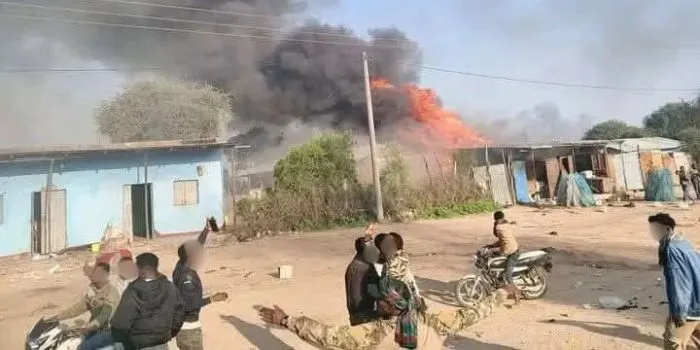
Several shops set on fire in Moyale as rival communities clashed on Thursday, October 22, 2026: Photo Najiib Ndayib

Public representatives, community leaders and other influential voices have an important opportunity to reduce tensions. The same standard should apply to everyone: urge restraint, reject retaliation and make clear that civilians must never be targeted. Leadership in a crisis should be measured by its contribution to public safety and peaceful solutions, not by the intensity of its rhetoric.

Leaders from Marsabit County addressing the media in regard to the ongoing conflict in Moyale: Photo credits, TV47-Kenya

Concern for relatives and neighbors across a border is natural. It is best expressed through relief, family support, and advocacy for peace—not calls for confrontation. No community should be held collectively responsible for the actions of particular individuals or armed groups.

Protecting civilians must remain the top priority. Everyone involved in the violence should stop attacks on civilians, safeguard medical services, and ensure humanitarian workers can safely reach those in need. Efforts to restore security must uphold human rights and avoid putting families at greater risk.

Humanitarian assistance should be based solely on need. Food, clean water, shelter, essential medicines, and support for separated families should be provided without discrimination. Local residents offering refuge may also need assistance. Relief efforts should be coordinated with competent authorities and experienced humanitarian organizations, while protecting the dignity and privacy of those receiving help.

Video by DW addressing the imact of the clashes

For Kenya, a constructive response should make three practical commitments:

First, coordinate humanitarian support. National and county authorities should work with relief organizations and local communities to assess needs, sustain essential services, and clearly explain where people can access assistance.

Second, protect border communities through lawful, proportionate security measures. Public safety and humane treatment should go hand in hand. People seeking safety should not face collective suspicion, and humanitarian assistance should not be mistaken for support for any party to a dispute.

Third, support peaceful engagement through appropriate diplomatic and community channels. Respecting neighboring authorities’ responsibilities does not mean ignoring suffering. Cooperation should focus on reducing tensions, facilitating relief, and encouraging negotiated solutions.

Responsible public communication is just as urgent. Before sharing a claim, photograph, or video, public figures, journalists, and social media users should verify its source, date, and location. If information remains uncertain, that uncertainty should be stated clearly. Mistakes should be corrected promptly, and identifying details that could put people at risk should not be shared.

Restraint does not mean staying silent about suffering or wrongdoing. It means separating verified facts from allegations, rejecting dehumanizing language, and avoiding collective blame. Alleged abuses should be documented safely and referred to credible investigative processes. Accountability should focus on individual responsibility through lawful procedures, not be used to justify retaliation.

Peaceful dialogue must do more than call for calm. Appropriate authorities and trusted mediators should help affected communities identify immediate safety concerns, set up reliable channels for resolving incidents, and address grievances without threats. Elders, civil society groups, traders, and other community representatives can help ensure the process is inclusive. Agreements should also include clear follow-up arrangements so commitments lead to greater safety.

For pastoralist families in the drylands, protecting lives also means safeguarding livelihoods and access to essential services. The most effective public message is practical: protect every civilian, provide assistance according to need, verify information before speaking, and keep the door open to dialogue. Peace is not a concession to either side; it is the foundation that allows every family to rebuild its future.
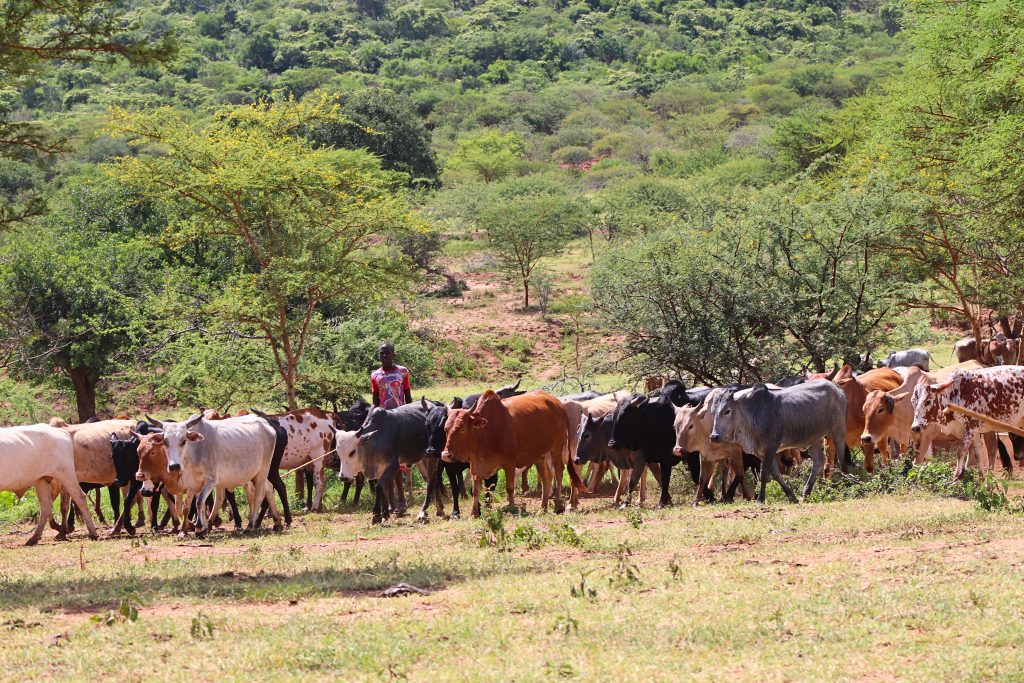
When Livestock Die in Security Operations, Government Must Answer

By Dr. Jarso Guyo Mokku – DLCI CEO

Reflecting on the Samburu Senator’s paper, “Livestock Killing — Is It a Policy of Government?”,  repeated reports of livestock deaths during security operations demand verified facts, independent investigation, and lawful redress wherever wrongdoing is proven.

Pastoralist families can lose in minutes what took generations to build. The State would not burn a harvest because a fugitive crossed a farm or raze a factory because a suspect jumped its fence. Pastoralists deserve the same protection. Reports of livestock deaths during successive security operations, coupled with an apparent accountability gap, demand more than official explanation: they require verified facts, independent investigation and lawful redress. Until that happens, the Government must answer whether its conduct and safeguards during security operations adequately protect pastoralists’ property, livelihoods, and constitutional rights.

That question calls for urgent scrutiny following the security operation in Isiolo County and parts of Waso Ward in Samburu East. The operation followed the reported ambush near Gotu on 16 September 2026, in which security officers and peace-building elders were killed and Government firearms stolen. The State has both the authority and the duty to pursue armed suspects. But any use of force against livestock grazing peacefully nearby must be independently established and lawfully justified.

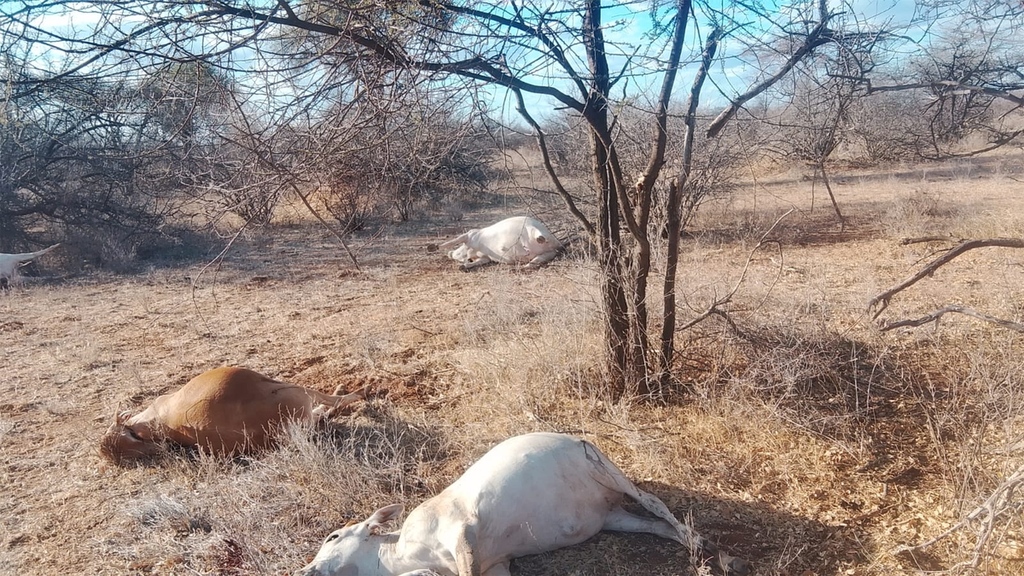
According to the Samburu Senator’s paper, a report recorded at Archers Post Police Station alleges that 764 cattle, 116 goats and 83 donkeys belonging to 12 pastoralist families were killed; the families were not publicly identified as suspects in the original attack. The Cabinet Secretary for Interior initially urged officers to avoid “collateral damage” and later said the reported livestock deaths remained allegations pending verification. Verification is essential. So is immediate support for families who say they have lost food, income, savings, and the means to meet basic needs after their livestock were killed by security officers.

Photo of shot animals in Waso Ward, Samburu County. Photo Credit: Citizen Digital.

Livestock Are the Backbone of Dryland Economies

Livestock are not a side business in Kenya’s drylands; they are the productive base of local economies. Kenya’s 2019 Population and Housing Census recorded livestock by species and county, while county statistical abstracts and Gross County Product reports demonstrate the importance of agriculture to these economies. Yet livestock’s full contribution extends far beyond the value of animals sold. It includes milk, meat, hides and skins, manure, breeding, transport, household consumption, employment, market fees, trade, savings, creditworthiness, and social protection. It also sustains traders, transporters, veterinary suppliers, slaughter facilities, and small businesses.

Photo credits: DLCI

Official census data show the scale of the livestock economy across Isiolo, Mandera, Wajir, Laikipia, Marsabit, Tana River, Turkana, Samburu, Lamu, Kajiado, West Pokot, Baringo, Elgeyo-Marakwet, Narok and Garissa. These counties support substantial populations of cattle, sheep, goats and camels, while northern and north-eastern Kenya holds particularly large concentrations of camels and small stock. Together, these herds number in the millions and contribute to household welfare, livestock markets, cross-border commerce, meat and milk supply chains, county revenue and national food security.

For a pastoralist household, a herd functions as a bank account, food store, insurance policy, pension, and school-fee fund. For a county, it supports a network of herders, brokers, transporters, feed suppliers, veterinary workers, milk vendors, butchers, tanneries, and livestock-market workers. The loss of a herd therefore extends far beyond its sale price. It can erase future milk, offspring, breeding value and drought-recovery capacity while draining working capital from the local market. Economically, the effect can resemble burning a farm, closing a shop, freezing a bank account, and cancelling a family’s insurance at once.

Consider the equivalent elsewhere. Would law-enforcement officers burn crops ready for harvest because a suspect ran through a farm? Would they raze an entire factory because a fugitive jumped over its fence? Plainly not. They would be expected to pursue the suspect while protecting the farmer’s harvest and the factory’s workers, machinery, stock, and future production. A pastoralist herd calls for comparable protection: it is productive property, household security and future income combined. If livestock belonging to people not implicated in wrongdoing are destroyed merely because suspected offenders moved among or near them, the result is collective harm rather than targeted law enforcement.

The alleged loss is therefore not merely economic. It poses a direct constitutional question: if State action destroys lawful private property and deepens hunger and poverty, what investigation, remedy and accountability does the law require?

What the Law Requires

Article 40 of the Constitution protects property, while Articles 27, 28 and 43 safeguard equality, dignity, and economic and social rights, including freedom from hunger. The Sixth Schedule to the National Police Service Act requires force to be necessary and proportionate and regulates the use of firearms, including where life faces an imminent threat.

On the face of these standards, intentionally destroying livestock that poses no imminent threat would require a compelling and lawful justification. Whether that threshold was met in any particular operation is a matter for evidence, independent investigation and, where necessary, judicial determination.

National security depends in part on the trust and cooperation of communities that can assist intelligence gathering. Where families not implicated in wrongdoing suffer uncompensated loss, public confidence may erode and future security operations may become less effective.

The Legacy of Collective Punishment

The use of livestock in collective sanctions has historical roots in colonial administration. The Stock and Produce Theft Act, enacted in 1933 and subsequently amended, holds provisions concerning execution against certain property and the seizure of stock following theft. The official online text carries a notice that some amendments have not yet been incorporated. It should therefore not be treated as authority for indiscriminate livestock destruction. Any contemporary operation must comply with the Constitution and all other applicable law.

Kenya’s security history includes practices of collective punishment associated by scholars and affected communities with the colonial period and the Shifta War. More recently, reports from Kapedo in 2014, Laikipia in 2017, Masol in 2023, Silale in January 2026 and Waso Ward in September 2026 have raised concerns that livestock may have been harmed or destroyed during security operations. Each allegation requires incident-by-incident verification. Even so, the account presented in the Samburu Senator’s paper identifies three recurring concerns:

  • Repeated reports: Allegations of herd destruction have arisen under successive administrations and in different regions.
  • Recurring explanations: Public accounts have referred to crossfire, animals being used as shields, or collateral damage; the accuracy and application of each explanation should be independently tested.
  • Apparent accountability gap: The public record cited in the Samburu Senator’s paper identifies no resulting prosecution or disciplinary finding and says promised compensation after earlier incidents remains unpaid. Those claims should be verified against official records.

Safeguards Government Should Adopt

Without prejudging the facts of any particular operation, the Government should strengthen safeguards to ensure that security measures remain lawful, targeted, and proportionate. Such safeguards should protect life and property, support the recovery of stolen arms and livestock, preserve evidence, and maintain the community trust on which effective intelligence gathering depends.

Possible safeguards include:

  • Strengthen intelligence-led operations: Prioritise identifiable suspects, criminal networks and financiers, based on evidence and lawful authorisation, rather than measures that may impose harm on uninvolved communities.
  • Adopt clear livestock-handling protocols: Where livestock are reasonably suspected to be stolen property or evidence, provide for safe impoundment, identification, veterinary care, verification of ownership and documented release or other lawful disposal.
  • Formalise community engagement: Work with local administrators, community representatives, and other lawful structures to support intelligence gathering and the peaceful recovery of stolen arms or livestock, without transferring policing powers to civilians.
  • Provide independent investigation and lawful redress: Ensure prompt, transparent, and independent investigation of reported livestock destruction; publish findings subject to lawful confidentiality limits; and provide compensation or other remedies where unlawful State conduct and resulting loss are established through the applicable process.

A Question Government Must Answer

Livestock killing may not be an officially written policy of the Government of Kenya. Even so, repeated allegations of herd destruction, recurring official explanations and an apparent accountability gap raise a legitimate question about whether such conduct risks becoming policy in practice. That question should be resolved through verified evidence, independent investigation, and due process. The State should therefore support a credible, independent review of the Waso Ward operation and earlier reported incidents, with findings fully made public allowed by law. Where an authorized process establishes unlawful conduct, any officer or commander found responsible should face the consequences provided by law, and affected families should have access to prompt and effective remedies, including compensation where legally called for. The Government should also issue clear operational guidance permitting force against livestock only where authorized by law and strictly necessary and proportionate, while establishing procedures for impoundment, identification, veterinary care, verification and independent oversight. Security is strengthened—not weakened—when the State pursues offenders lawfully while protecting the lives, property and livelihoods of people who have not been implicated in wrongdoing

What Afghanistan and Kenya Can Learn from Each Other About Peace

24 September 2026 | Nairobi, Kenya

by Dr. Jarso Mokku— CEO, DLCI

What happens when peacebuilders from Afghanistan and Kenya sit down together? They quickly find plenty to talk about—from managing land, water, and pasture peacefully to making sure community voices are heard in public decisions.

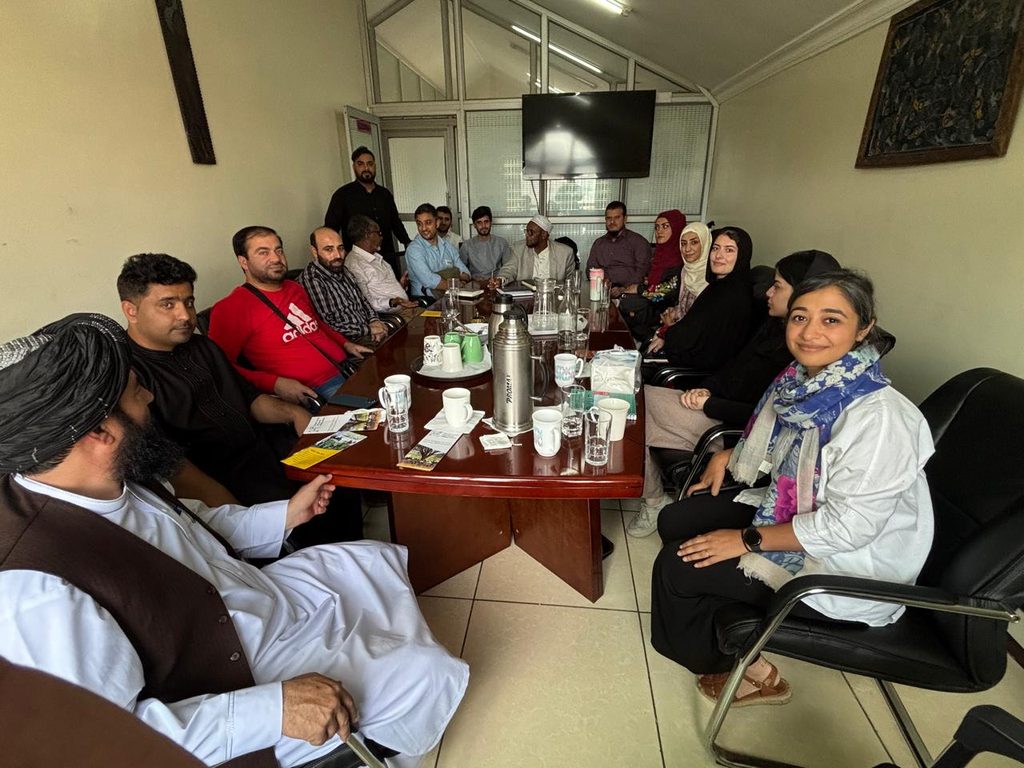
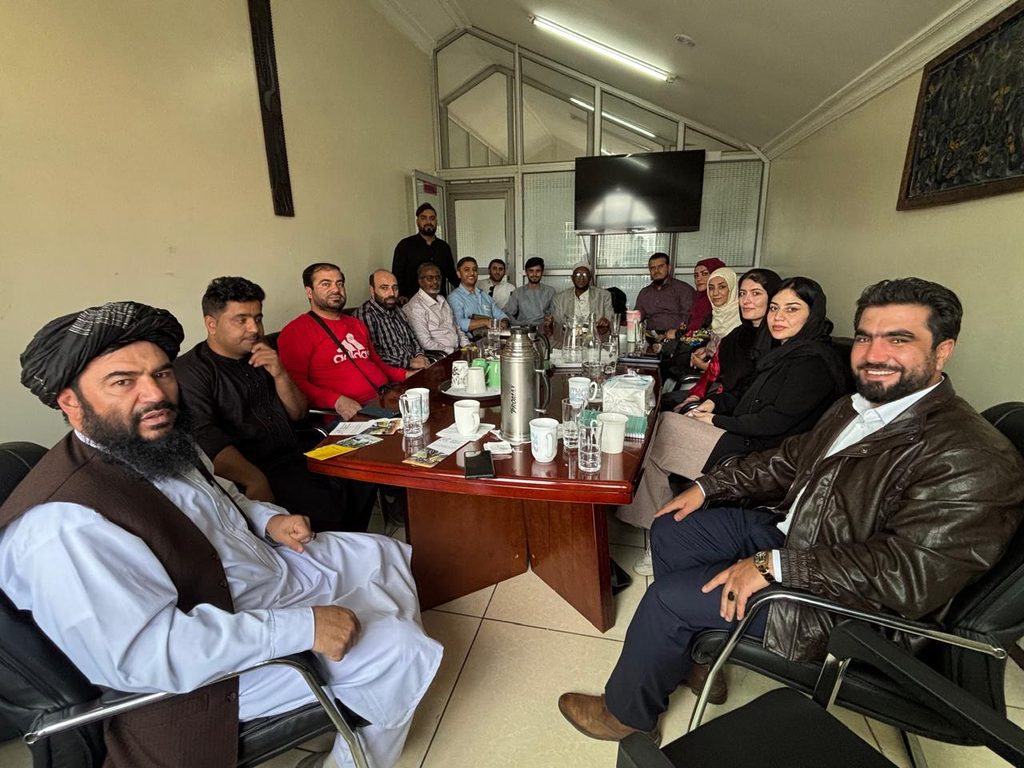
DLCI was delighted to welcome a delegation of organisations from Afghanistan to its Nairobi boardroom on 24 September 2026. The visit was part of the delegation’s learning exchange in Kenya, and the conversation soon showed just how much the two contexts have in common. Despite the distance between them, communities in both countries are finding locally led ways to build cohesion and cope with difficult and changing conditions.

DLCI CEO Dr. Jarso Mokku with the delegation from Afghanistan

What Kenya’s Drylands Can Teach Us

DLCI shared what it has learned from working closely with pastoralist communities, public institutions, and the Pastoralist Parliamentary Group (PPG). Much of the discussion came back to a simple but important point: people closest to the challenges should have a real say in the decisions that affect them. Participants spoke about the leadership of grassroots women, the role of customary governance, and practical ways to manage unregistered community land and shared resources such as water and pasture. When these approaches work together, communities are better placed to build cohesion, work together, and prepare for difficult times.

Different Places, Shared Questions

As the group swapped stories and experiences, common challenges—and some useful differences—quickly emerged. The conversation showed that good ideas do not need to be copied exactly to be useful elsewhere. When they are grounded in local knowledge and shaped by community leadership, they can spark fresh thinking across borders, especially in places facing difficulties and climate pressure.

For DLCI, the visit was as much about listening as it was about sharing. The Afghan participants brought thoughtful questions and perspectives that made the conversation richer. By the end of the meeting, one thing was clear: there is plenty more to learn from one another, and good reason to keep the conversation going.

The Bridge Generation: Youth, Technology, and the Future of Pastoralist Knowledge

By Hillary Kitel – Programs and Communications Officer – DLCI

The International Year of Rangelands and Pastoralists gives August the theme “Indigenous and local knowledge, culture, and innovation.” The strategic question is not simply how to preserve pastoralist knowledge, but how to keep it authoritative, adaptive, and useful over the next twenty years.

Youth are the bridge: when they combine elders’ place-based judgment with digital tools, they can turn inherited knowledge into faster decisions, stronger livelihoods, and greater policy influence.

This is not a sentimental claim about generational renewal; it is a structural one. Indigenous and local knowledge in the drylands has never been static text that can be archived once and read forever. It is a living practice, updated in real time by people moving with herds across changing land, and it only persists if someone keeps updating it. When young people leave pastoralist systems for towns and cities, the knowledge does not wait for them. It thins with each season an elder ages without an apprentice, and it becomes fragile long before anyone notices the gap.

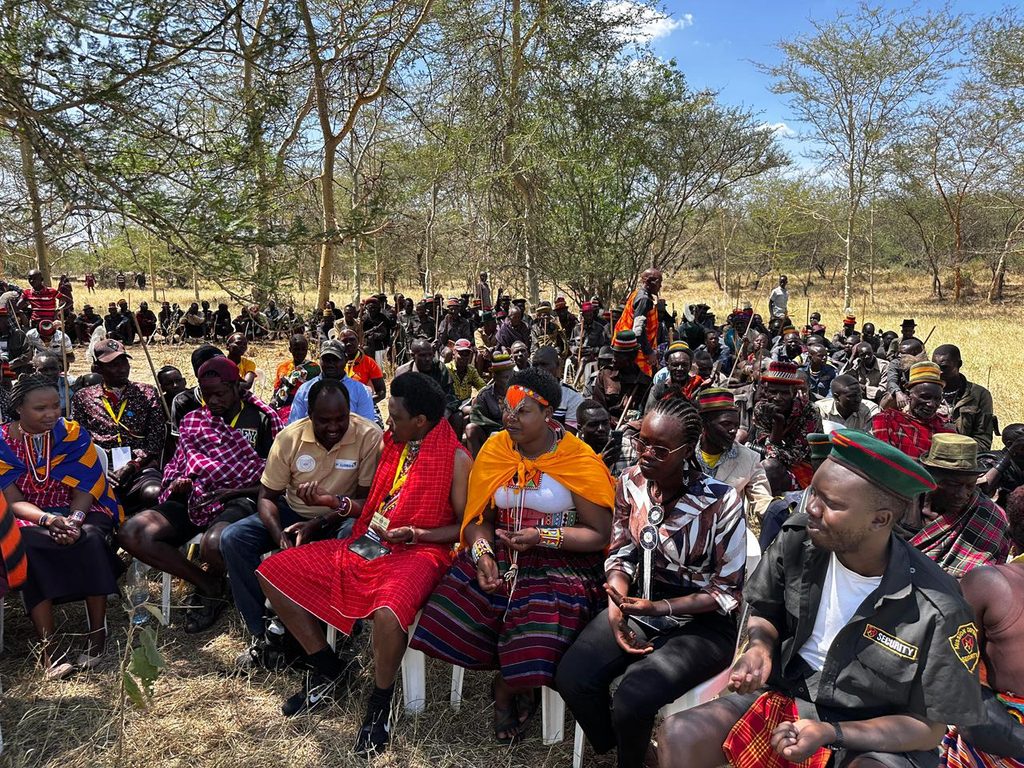
The evidence is already visible. At the East Africa Pastoralist Youth Gathering in Moroto on 20–21 November 2025, more than 150 young pastoralists from Uganda, Kenya, Tanzania, Ethiopia, and South Sudan met to shape a regional youth agenda ahead of IYRP 2026. The significance was not attendance alone, but the shift from symbolic inclusion to practical leadership.

Participants paired dialogue with field-based learning in the Moroto rangelands, including a Kobebe visit, shepherd panels, country caucuses, cultural practice, and exchanges with elders. They advanced concrete priorities: customary tenure protection, cross-border mobility, youth representation in rangeland governance, early-warning systems, livestock insurance, and youth-led restoration. This is the real site of innovation, not knowledge alone and not technology alone, but the interface between them, with youth designing how both are used.

East Africa Pastoralist Youth Gathering in Moroto; Photo credits: Impact Kenya

This matters because the gap technology cannot close on its own is exactly the gap Indigenous knowledge has always filled. A weather forecasting app can tell a herder that rainfall is likely to be below average this season. It cannot tell them which corridor an elder has used for forty years precisely because it floods less than the one two kilometers over, or which grazing reserve should be held back now so it survives a drought three years from now. That judgment is accumulated, local, and specific in ways no dataset yet replicates. What changes when youth carry both the knowledge and the tool is not the knowledge itself. It is its reach and its speed.

FAO’s own framing of IYRP 2026 argues that broader access to new technologies, markets, and financial services is what opens opportunity for pastoralist youth and women, not any single tool. The specific innovations it names, mobile herding apps, weather forecasting, animal health services, field schools, and cooperative models, are offered as examples of that access, not as tools built for youth specifically.

At GLF Africa 2026, more than 800 participants gathered at the CIFOR-ICRAF campus in Nairobi, and more than 5,500 joined online. The forum brought pastoralist communities, researchers, governments, technology specialists, youth organizations, and women’s groups into the same conversation and reinforced a central message: community knowledge and modern data must be treated as complementary resources for action.

That distinction determines what growth actually looks like here. It is not growth measured only by herd size or milk yield, though those matter. It is growth measured by whether a young herder can access a fair market price because a mobile platform gave them real-time information an elder’s networks alone could not reach in time. It is measured by whether a community can act three weeks before a drought instead of three weeks after, because youth translated an early warning system into a language and a channel their community already trusts. It is measured by whether land rights and mobility corridors, negotiated in customary terms for generations, get documented and defended in the formats that national policy and cross-border agreements now demand. And it is measured, less visibly but no less concretely, by whether a young person can build a livelihood inside pastoralism at all, rather than treating it as something to leave behind for a city job that may not materialize.

Photo credits: GLF Africa

This transition will not happen automatically. Governments, donors, technology firms, and pastoralist institutions should act on three priorities: fund reliable connectivity and youth-led digital services in the drylands; establish paid intergenerational apprenticeship and documentation programs governed by communities; and require Indigenous knowledge to inform early-warning, land-use, mobility, and livestock policy alongside formal science. August’s theme should therefore be treated not as a celebration of the past, but as an investment mandate for the future. Young pastoralists are not choosing between tradition and technology; they are building the system through which both can deliver resilience, dignity, and economic opportunity.

From political commitment to results, Pastoralist Kenya is moving forward

by Dr. Jarso Mokku—Chief Executive Office (CEO) DLCI

For decades, the story of Kenya’s drylands has been told through the language of crisis. Drought, conflict, poverty, marginalization, and vulnerability have dominated national conversations about pastoralist communities. However, the latest report by the state department of ASAL on the progress of implementing the resolutions from the Fourth Pastoralist Leadership Summit (PLS) presents a different story; one of progress, increased public investment, and renewed government commitment to unlock the enormous economic and social potential of Kenya’s vast pastoralist regions.

Held in Wajir in December 2024 under the theme “Unlocking Policy and Financing Bottlenecks to Maximize Pastoralism’s Full Potential in Kenya,” the summit brought together government leaders, development partners, private sector actors, and pastoralist communities to identify practical solutions to long-standing challenges. Eighteen months later, the implementation review provides important evidence that many of those commitments are beginning to translate into tangible gains.

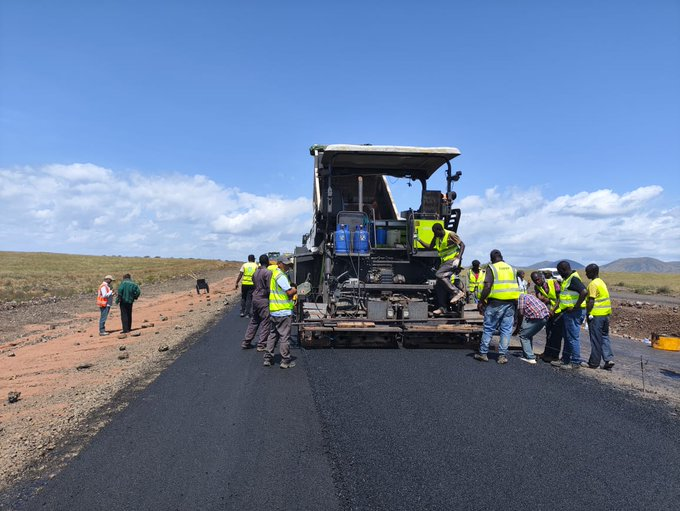
Among the most significant achievements is the transformation taking place in infrastructure development. For generations, poor roads have isolated pastoralist communities from markets, services, and investment opportunities. Today, the full financing of the Isiolo-Mandera Road Corridor represents a historic investment that will reshape northern Kenya’s economic landscape. Combined with ongoing investments under the LAPSSET Corridor, new roads are not merely connecting counties; they are connecting pastoralists to national and regional economic opportunities.

Laying of tarmac on the Isiolo-Mandera Road Photo credits: FCDC

Equally transformative are investments in renewable energy and water infrastructure. The expansion of solar energy systems and mini-grids is bringing electricity to communities that have waited decades for reliable power. At the same time, major water projects and drought resilience programs are helping reduce vulnerability to climate shocks that regularly threaten livelihoods across the drylands.

The livestock sector, often described as the economic backbone of pastoralist communities, is also recording notable gains. The operationalization of the National Livestock Development and Promotion Service (NLDPS) Board marks an important milestone in giving pastoralism the institutional attention it deserves. The commissioning of the Ewaso Ng’iro Tannery and Leather Industry demonstrates growing recognition that livestock is more than a source of meat and milk; it is a value chain capable of generating jobs, exports, and industrial growth. Efforts to revive livestock cooperatives and establish a Camel Centre of Excellence further signal the sector’s increasing strategic importance.

Perhaps one of the most consequential reforms has occurred in the realm of citizenship and inclusion. The abolition of discriminatory vetting requirements for national identity cards in many pastoralist counties addresses a long-standing source of exclusion. For years, young people in northern Kenya faced extraordinary barriers in obtaining identity documents, limiting access to education, employment, finance, and political participation. The introduction of mobile registration services is helping ensure that citizenship rights are no longer determined by geography or ethnicity.

The education sector also offers encouraging signs. Progress toward strengthening institutions that support nomadic education, expanding school feeding programs, and integrating alternative education systems demonstrates a growing understanding that solutions for pastoralist communities must reflect their unique realities. When children in dryland counties have access to quality education without abandoning their cultural identity and livelihoods, the country moves closer to achieving true equity.

The progress achieved in peacebuilding deserves equal recognition. Conflict remains one of the greatest obstacles to development in Kenya’s drylands. The establishment of regional peace structures, investment in dialogue processes, and strengthened cooperation among communities and security agencies are creating conditions for greater stability. Sustainable development can only flourish where peace prevails.

Yet celebrating progress should not obscure the work that remains unfinished.

The report highlights several commitments that are lagging behind expectations. Despite widespread recognition of livestock’s contribution to local economies, county governments have yet to make meaningful progress toward allocating at least 10 percent of development budgets to the livestock sector. This financing gap continues to limit investments in animal health, marketing infrastructure, breeding programs, and value addition.

Similarly, community land registration remains low across many pastoralist areas. Secure land tenure is fundamental to pastoralist production systems, climate resilience, and the attraction of responsible private sector investment. Delays in implementing community land reforms risk undermining gains achieved in other sectors.

Election of the Lorengippi Community Land Management Committee (CLMC)

The health sector presents another area of concern. While significant progress has been made in education and infrastructure, pastoralist communities continue to face serious challenges in accessing quality healthcare, diagnostic services, and mobile health facilities. Closing these gaps must become a national priority.

Perhaps the most important lesson emerging from the implementation report is that pastoralist development is no longer a peripheral issue. It is increasingly recognized as part of the national development agenda. Kenya’s drylands account for over 80 percent of the country’s land mass and support millions of people whose economic activities contribute significantly to national GDP. Investing in pastoralism is not an act of charity; it is a strategic investment in national prosperity, food security, climate resilience, and social cohesion.

The Fourth Pastoralist Leadership Summit challenged Kenya to move beyond rhetoric and deliver practical solutions. The implementation report shows that important steps have been taken. Roads are being built. Institutions are being strengthened. Citizens are gaining access to important national identification documents. Livestock value chains are expanding. Peace initiatives are gaining momentum.

But success will ultimately be measured not by commitments made or by the number of meetings held to review progress, but by whether pastoralist households experience tangible improvements in their livelihoods, incomes, security, and resilience.

The momentum generated since the Wajir Summit should therefore be sustained and accelerated. Government, county administrations, development partners, private investors, and pastoralist communities themselves must remain focused on converting policy promises into lasting change.

The story emerging from Kenya’s drylands today is not one of hopelessness. It is a story of opportunity. It is a story of resilience. And increasingly, it is a story of results.

From Policy to Progress

by Hillary Kitel – Programs and Communications officer – DLCI

For decades, Kenya’s Arid and Semi-Arid Lands (ASALs) have been framed largely in terms of drought, humanitarian response, and vulnerability. Yet these regions cover over 80 percent of the country’s landmass, sustain millions of livelihoods, drive the livestock economy, and hold immense promise in renewable energy, tourism, biodiversity, and climate resilience.

The validation of the National Policy for the Sustainable Development of ASALs, held in Nairobi, marked a turning point. This signaled a growing consensus that the drylands agenda must shift from crisis management to opportunity, coordinated investment, and long-term development.


Group photo of participants at the ASAL policy Review Meeting

A Unified Commitment

The forum brought together leaders from national and county governments, Parliament, development partners, civil society, and pastoralist institutions to endorse a framework that will guide how Kenya plans, finances, and delivers development across ASAL counties.

Opening the session, Dr. Caroline Karugu, Principal Secretary for ASALs and Regional Development, reaffirmed government commitment to unlocking the economic and social potential of drylands. She emphasized that the policy offers a chance to move beyond fragmented interventions toward a unified approach that strengthens resilience while creating sustainable livelihoods.


Dr. Caroline Karugu, Principal Secretary for The East African Community (EAC)  State Department  and AG PS, ASALs and Regional Development State Department,

Rethinking ASALs

Representing the Frontier Counties Development Council (FCDC), CEO Dr. Idle Omar Farah, speaking on behalf of Chairman Governor Mohamud Ali, urged stakeholders to redefine how the nation views ASALs. He called for recognition of their strategic importance to Kenya’s economy—through livestock, renewable energy, trade, tourism, and climate resilience—rather than seeing them only through the lens of vulnerability.

Dr. Idle Omar Farah, CEO , Frontier Counties Development Council (FCDC)

Coordination as the Cornerstone

Dr. Guyo Roba, Chairman of the Drylands Learning & Capacity Building Initiative (DLCI) and Head of the Drylands Delivery Unit at IGAD, stressed that progress depends on institutions working together under a shared vision. Stronger coordination among government agencies, counties, development partners, and implementing organizations will reduce duplication, strengthen accountability, and ensure investments deliver lasting benefits.

Dr. Guyo Roba, Chairman of the Drylands Learning & Capacity Building Initiative (DLCI)


Adding the voice of Parliament, Hon. Major (Rtd) Bashir Abdullahi, Chairman of the Pastoralists Parliamentary Group (PPG), welcomed the review and underscored the importance of unity among institutions advancing pastoralist development. He noted that effective implementation will require collaboration between policymakers, agencies, and communities to ensure the policy reflects the realities and aspirations of pastoralist populations.

Hon. Major (Rtd) Bashir Abdullahi, Chairman of the Pastoralists Parliamentary Group (PPG)
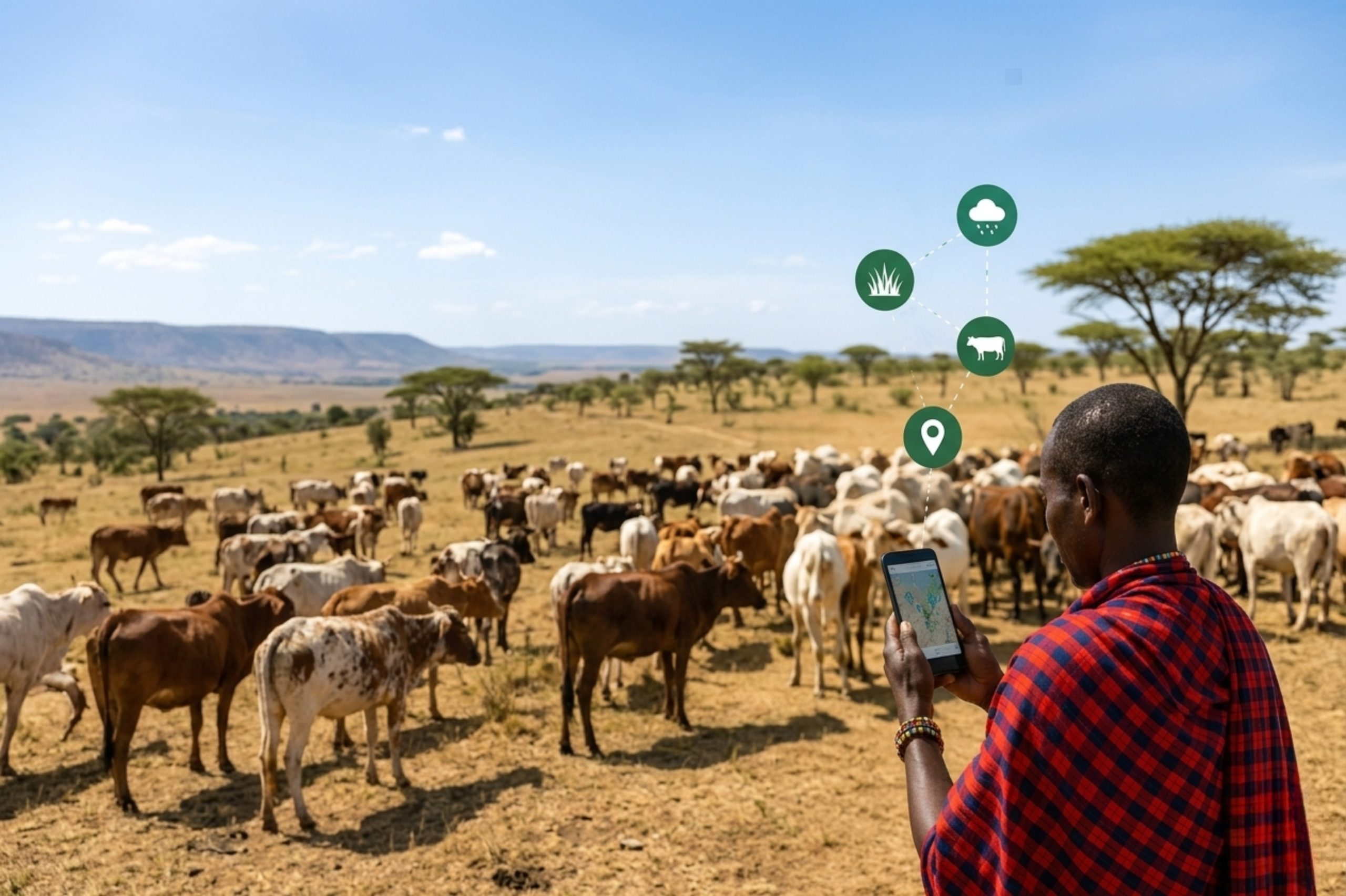
From Policy to Implementation

The meeting reflected a broader shift in thinking: from emergency response to building enabling environments for investment, governance, resilient livelihoods, and sustainable growth.

As Kenya moves toward finalizing the ASAL policy, the challenge now lies in implementation. Success will depend not only on the strength of the framework itself, but on the collective commitment of government, Parliament, development partners, civil society, and communities to translate vision into tangible change.

For Kenya’s drylands, the conversation is no longer about managing vulnerability—it is about unlocking opportunity. That shift may well become the policy’s most enduring legacy.

Digital Innovations: Transforming the Future of Kenya’s Drylands

Hillary Kitel—Programs and Communications Officer

For decades, dryland communities have demonstrated remarkable resilience in the face of droughts, resource scarcity, climate variability, market fluctuations, and insecurity. Yet despite contributing significantly to national economies through livestock production, trade, and natural resource management, dryland regions have often remained underserved by infrastructure, information systems, and development investments.

Today, that reality is beginning to change.

The recent Digital Innovations and Information Systems Workshop held in Naivasha brought together government institutions, researchers, private sector innovators, development partners, and community representatives to explore how digital technologies can strengthen resilience and livelihoods in Kenya’s drylands and other fragile and conflict-affected settings.

The discussions highlighted a powerful reality: digital innovations are no longer optional tools for development, they are becoming essential enablers of informed decision-making, climate adaptation, and economic growth.

Turning Information into Action

One of the most significant challenges facing dryland communities is access to timely and actionable information.

Pastoralist households often make critical decisions regarding livestock mobility, grazing management, market participation, and drought preparedness based on the information available to them. When information arrives too late, the consequences can be severe, including livestock losses, reduced incomes, and heightened vulnerability.

Digital weather and climate information systems are helping address this challenge by providing forecasts, drought alerts, and advisories that enable communities to anticipate risks and take proactive measures before crises occur.

The shift from emergency response to anticipatory action is perhaps one of the most important contributions digital innovations can make to dryland resilience.

Enhancing Livestock Markets Through Technology

Livestock remain the backbone of many dryland economies. However, livestock producers have historically faced challenges accessing reliable market information, connecting with buyers, and obtaining fair prices for their animals.

Digital livestock marketing platforms are changing this landscape by improving transparency, reducing information asymmetries, and connecting producers directly to broader markets.

By providing real-time market information, digital trading opportunities, and value chain linkages, these innovations can strengthen household incomes while increasing efficiency across livestock production systems.

For pastoralist communities, better market access translates directly into improved livelihoods and greater economic resilience.

Monitoring Rangelands from Space

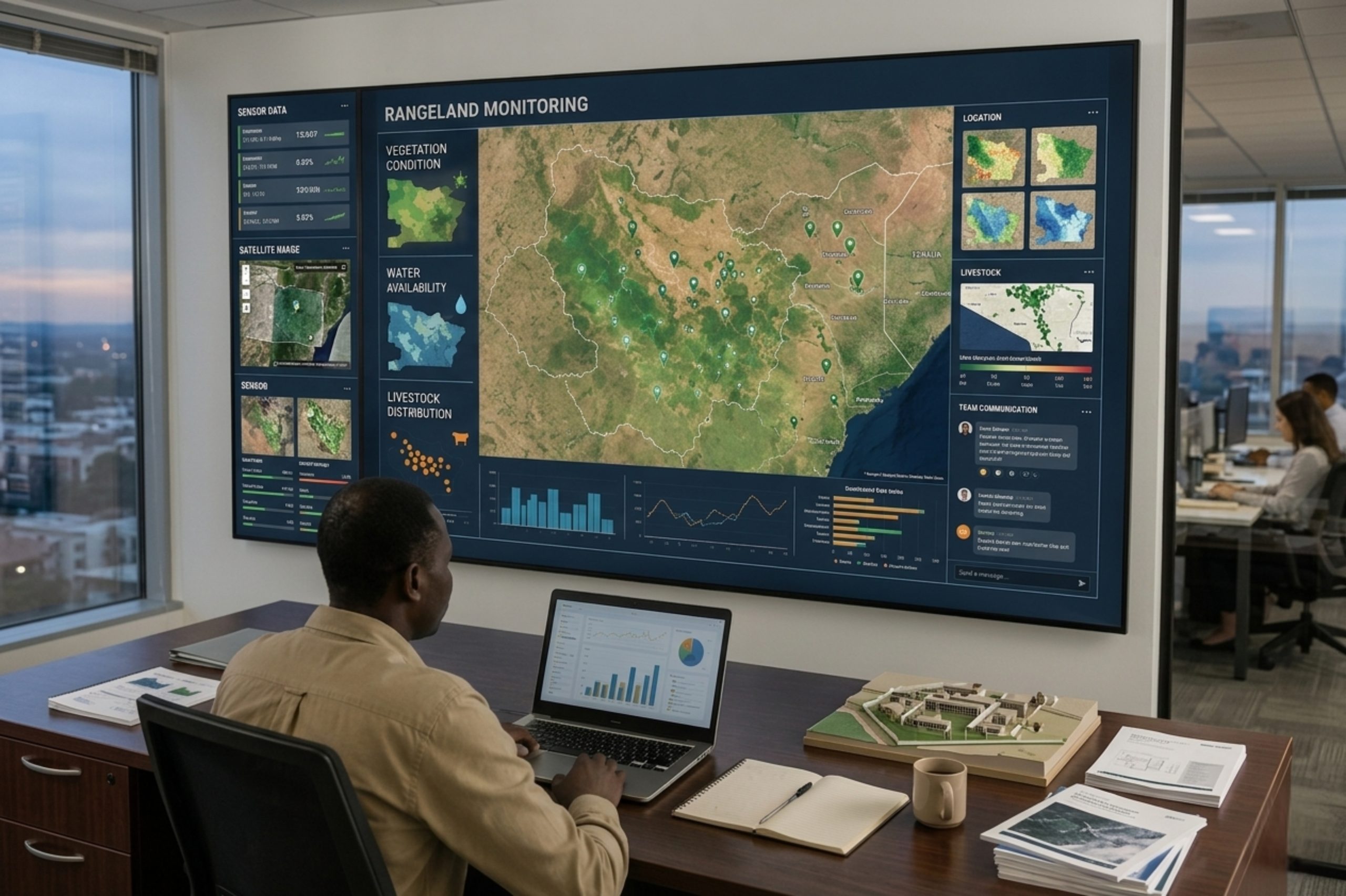
Another area of innovation attracting increasing attention is the use of satellite imagery, Earth observation technologies, and geospatial systems to monitor rangeland conditions.

Through these technologies, stakeholders can assess vegetation cover, monitor pasture availability, track drought impacts, and identify areas requiring restoration interventions.

Such information supports evidence-based decision-making by governments, development partners, and communities themselves.

In landscapes where mobility remains a critical adaptation strategy, access to reliable information on pasture and water availability can significantly improve planning and reduce pressure on fragile ecosystems.

Strengthening Community Voice Through Digital Platforms

This gathering also highlighted the growing importance of two-way information systems.

Modern digital platforms are increasingly moving beyond simply disseminating information to communities. They are creating opportunities for communities to share observations, report emerging risks, provide feedback, and contribute local knowledge.

This shift recognizes that resilience is strongest when scientific information and community knowledge work together.

Indigenous knowledge systems have long guided pastoralist decision-making. Digital innovations offer an opportunity to complement, rather than replace, these systems by creating stronger connections between local experience and scientific evidence.

Building Inclusive Digital Ecosystems

While digital technologies offer tremendous opportunities, participants also emphasized the need to address persistent barriers to access.

Challenges such as poor connectivity, limited digital literacy, language barriers, affordability, and unequal access to technology can prevent some groups from fully benefiting from digital services.

Women, youth, and marginalized populations must be intentionally included in the design and implementation of digital innovations to ensure that technological progress does not reinforce existing inequalities.

The success of digital innovation in the drylands will depend not only on technological sophistication but also on accessibility, trust, and relevance to local realities.

Innovations Driving Change Across the Drylands

The workshop showcased a growing ecosystem of digital innovations that are helping transform resilience-building and livelihoods across Kenya’s drylands and other pastoralist regions.

One of the highlighted platforms was HUSIKA by IGAD and ICPAC, a digital system designed to strengthen last-mile dissemination of weather and climate information services, early warning alerts, and community feedback mechanisms. The platform demonstrates how digital tools can support anticipatory action by ensuring that climate information reaches communities in a timely and actionable manner.

Another notable innovation was LivestockEx, a digital livestock marketing platform that is helping modernize livestock trade by connecting producers to markets, improving transparency, and providing real-time market information. Such innovations are helping pastoralist communities access better prices, reduce information asymmetries, and strengthen livestock-based livelihoods.

The workshop also highlighted the work of Justdiggit, which combines digital technologies, satellite monitoring, and landscape restoration approaches to support the restoration of degraded drylands. Through digital mapping and restoration tracking, such innovations are helping communities restore vegetation cover, improve water retention, and strengthen climate resilience.

Inforange by the Centre for Research and Development in Drylands (CRDD) demonstrated how localized digital systems can empower pastoralist communities by providing real-time updates on grazing conditions, livestock health, water availability, and rangeland resources. By strengthening information access, the platform supports better mobility planning and informed pastoralist decision-making in Northern Kenya and Namibia.

Another important innovation discussed was KAZNET by the International Livestock Research Institute (ILRI), a citizen-generated data platform that enables communities to report on drought conditions, forage availability, livestock health, water access, and emerging risks in real time. Such platforms strengthen two-way communication between communities, researchers, governments, and humanitarian actors while improving the accuracy and responsiveness of early warning systems.

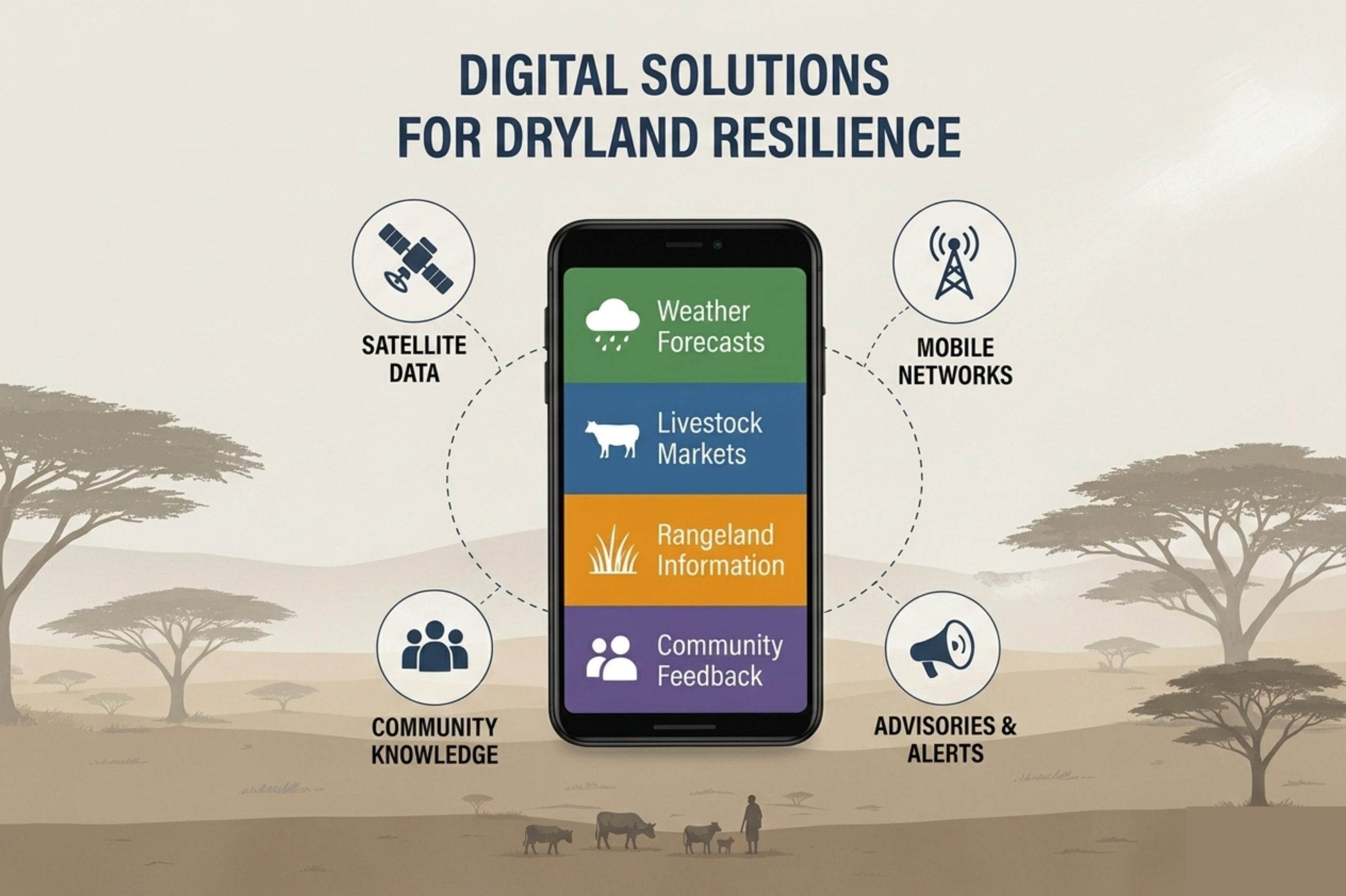
Collectively, these innovations demonstrate the growing shift toward data-driven resilience systems in the drylands. They also reveal the immense potential of combining weather and climate information services, market systems, Earth observation technologies, rangeland monitoring, restoration initiatives, and community-generated data into a more connected and collaborative digital ecosystem.

infographic depicting the collaboration between various ditial technologies in the drylands

The Need for Collaboration

Many organizations have developed valuable digital tools addressing weather information, livestock markets, rangeland monitoring, early warning systems, and community feedback mechanisms. However, these systems often operate independently.

The future lies in building stronger connections between these innovations so that information flows seamlessly between institutions and ultimately reaches communities in a coordinated and actionable manner.

Effective collaboration among governments, research institutions, civil society organizations, private sector innovators, and pastoralist communities will be essential for maximizing the impact of digital investments.


A Digital Future for Drylands

The drylands are frequently portrayed through the lens of vulnerability. Yet the discussions in Naivasha revealed a different narrative; one of innovation, adaptation, and opportunity.

Digital technologies are helping transform how information is generated, shared, and used. They are supporting better climate adaptation, improving market access, strengthening governance, enhancing natural resource management, and creating new opportunities for resilience-building.

As investments in digital innovation continue to grow, the focus must remain on ensuring that these technologies are community-centered, inclusive, and responsive to the realities of dryland livelihoods.

The future of dryland development will not be defined by technology alone. It will be defined by how effectively technology empowers communities to make informed decisions, strengthen resilience, and shape their own pathways toward sustainable development.

The conversations emerging from the Digital Innovations and Information Systems Workshop underscore a growing consensus: information is becoming as important a resource as land, water, and livestock in the drylands.

When weather forecasts, market intelligence, rangeland monitoring data, and community knowledge are effectively connected and shared, they become powerful tools for resilience, adaptation, and economic transformation.

The challenge now is not merely to develop more digital solutions,but to ensure that existing innovations work together, reach the last mile, and remain accessible to the communities that need them most. By fostering collaboration, strengthening coordination, and placing communities at the center of innovation, digital technologies can become a catalyst for a more resilient and prosperous future for Kenya’s drylands.

Digital monitoring of rangelands in drylands

Building Vaccine Demand for Pastoralist Livelihoods- Vaccines Won’t Save Kenya’s Herds—Demand Will.

By Dr. Jarso Mokku, CEO, Drylands Learning and Capacity Building Initiative (DLCI)

Drought kills livestock, but weak demand systems kill trust. Without organized community demand, vaccines remain stranded while pastoralist livelihoods collapse.
Every drought in Kenya’s drylands ends the same way: animals die not only from thirst and hunger, but from preventable diseases. The reflex question is always ,”where are the vaccines?” The real question is where is the demand system to get them to the herds that need them?

Kenya does not lack vaccines. It lacks a functioning demand ecosystem. Public vets are overstretched, private providers can’t aggregate scattered demand, and misinformation fills the gap. The result: millions of cattle, especially in pastoralist regions, remain unprotected.


Vaccine issuance on camels in Turkana County

Photo credits: Turkana County Government

Pastoralists are not resistant. They pay for services they trust, understand, and can access. What’s missing is infrastructure to turn this willingness into action. Demand must be organized—households informed, communities coordinated, and trusted agents empowered to aggregate needs across grazing blocks. Without this, vaccines will continue to sit idle in cold rooms while herds die in the field.

Vaccine issuance in Makueni CountyPhoto credits

Supply only works when demand is visible. County governments must lead—convening public and private providers around shared schedules and data. Vaccination should be routine, not a one‑off campaign. What’s needed is a neutral livestock health market where communities articulate needs, providers respond, and counties coordinate delivery. The approach is provider-neutral and community-driven, preparing pastoralist communities to be informed customers of vaccination services regardless of the provider.
This is how we future‑proof pastoralist areas and protect millions of livestock. New vaccines will matter only if demand systems already exist. Kenya’s drylands cannot wait for the “perfect” product. Herds are dying now from preventable disease. What we can build immediately is the organizational backbone of a community demand ecosystem that ensures any vaccine—old or new—reaches animals on the move.

In Kenya’s drylands, survival won’t come from waiting for the perfect vaccine—it will come from organizing demand.

Why Pastoralism Can Not Die — And Why Animals Should NOT Die of Drought in Kenya

By Jarso Mokku, PhD—Chief Executive Officer, DLCI

What Has Become of Kenya’s Most Celebrated Ending Drought Emergencies (EDE) Framework

For more than sixty years, policymakers, development agencies, and technical experts have promoted a familiar narrative in Kenya’s drylands: pastoralism is outdated, unproductive, and on its way out. In its place, crop farming has been marketed as the modern alternative, inspired by session paper number 10 of 1965, a strategy to bring food security, economic growth, and settlement to regions long considered “difficult and low potential areas.” But the lived reality across northern Kenya tells a very different story.

A herder herding cows in the drlands of Alale, west pokot, Kenya

Despite intense pressure to replace it, pastoralism remains the dominant livelihood system in Kenya’s drylands, which cover over 80 per cent of the country’s landmass. Meanwhile, crop farming projects introduced as alternatives have either failed outright, survived only under heavy donor subsidy, or remained too marginal to influence local economies.

This is not a coincidence. It reveals a deeper flaw in our thinking about development in drylands.

Pastoralists supply more than 80 percent of Kenya’s beef, support over 14 million Kenyans, and keep cities such as Nairobi fed with daily milk and meat. Far from collapsing, the pastoral economy is carrying an enormous share of the nation’s food system. Yet public debate continues to ask, “Why is pastoralism struggling?”

The more honest question is: Why has pastoralism refused to die, while the alternatives we keep financing continue to fail?

Drylands Are Not for Crop Farming
Kenya’s drylands face extreme climate variability, low and erratic rainfall, fragile soils, and frequent drought cycles. These ecological realities make large-scale, rain-fed agriculture nearly impossible. Wetlands in the drylands are pastoralism protection zones. And that is why high-profile irrigation schemes—Bura, Hola, Turkwel, and Wei Wei—struggle with water shortages, high costs, salinity, technical breakdowns, and land-use conflicts.
No policy optimism, seed innovation, or extension messaging can change the climate.

Drylands Development will succeed if pastoralism/livestock initiatives are promoted rather than crop farming.

oppo_16

The key question for summer school practitioners is why crop agriculture continues to attract more public financing and donor investment than livestock development, rangeland management, mobility infrastructure, or pastoral markets.

This is happening now; the global demand for livestock products is rising sharply, with the livestock market projected to reach USD 5.35 trillion by 2026. Kenya’s drylands are well-positioned to benefit—if only development investment is aligned with the ecological and economic realities of the drylands.

So, let us get back to the core question—Why Pastoralism CANNOT Die.

Pastoralism has long outlived predictions of its demise for one simple reason: it works in drylands.

Pastoralism is a highly sophisticated, climate-adapted system designed for drought-prone landscapes. By moving across large areas to track rainfall and grazing, pastoralists convert natural vegetation—unsuitable for crops—into high-value protein. They do so without irrigation, fertiliser, or soil degradation. Mobility is not backwardness; it is one of the world’s most effective climate-adaptation strategies.

In an era of increasing climate uncertainty, pastoralism is not something of the past—it is a modern survival and prosperous model for the future of drylands development.

Should Animals Die of Drought? And Where Is the Promise of the EDE Framework?

Droughts in Kenya are not new. What is new is the scale of livestock deaths witnessed in recent years. Historically, pastoralist institutions ensured herds survived through the following:

  • ⁠seasonal mobility
  • ⁠ ⁠dry season grazing reserves
  • ⁠ ⁠shared access negotiated between communities
  • ⁠ ⁠strong communal land governance

These systems kept herds alive even in the worst seasons. Today, animals die not because droughts are too strong or more frequent, but because community systems have weakened due to the promotion of failing alternatives that are bringing the system down with them.

  • ⁠ ⁠Mobility corridors are blocked by settlements, farms, and fencing.
  • ⁠ ⁠Community lands remain unregistered or fragmented.
  • ⁠ ⁠Grazing areas are encroached upon.
  • ⁠ ⁠Investment in rangelands is minimal.
  •  ⁠Emergency response arrives late—long after animals have died.

And here lies the uncomfortable question: What became of Kenya’s celebrated “Ending Drought Emergencies (EDE)” framework?

Launched in 2012 and praised globally, EDE promised that by 2022, no Kenyan animal would die because of drought. A decade later, drought still kills thousands of livestock. Counties still rely on late relief supplies. Rangelands still receive little investment. And mobility—the backbone of drought resilience—remains largely unsupported.

If EDE was meant to end drought emergencies, why do we still treat every drought as a humanitarian crisis?]

Drought striken Mandera County In Kenya

A New Narrative and Direction in Drylands Development. It is about Regenerative Rangeland Economies

The solution is not to abandon drylands or romanticize pastoralism. It is to invest in systems that work in drylands, not against them. A regenerative rangeland economy centers on:

  • ⁠ ⁠secure community land rights
  • ⁠protected mobility corridors
  • restored rangelands and well-managed grazing
  • ⁠strong livestock markets and preemptive offtake-anticipatory action, not reactive.
  • ⁠Feed and fodder banks and strategic water systems
  • ⁠climate-smart livestock services, disease control and enhancing livestock export markets that directly benefit pastoralist (Producers)
  • ⁠nature-based enterprises
  • ⁠renewable energy (solar, wind)

This approach does not replace pastoralism—it modernizes and strengthens it. It aligns development spending with ecology, climate science, and market demand.

Pastoralism has and cannot die because it makes sense. Crop agriculture can not replace pastoralism in drylands because drylands cannot sustain it. Both climate and ecology make drylands unsuitable for crop farming. Animals die of drought because systems fail—not because droughts are inevitable. If Kenya is serious about food security, climate resilience, and inclusive growth, it must stop forcing drylands to become what they are not—and start investing in what they already are.

Pastoralism Feeds Kenya — So Why Are Our Policies Starving It?

Article by: Lenaiyasa Lilian, Senior Programme Officer at DLCI

Drought is not the problem — weak policies and delayed action are.

Kenya’s drought crisis dominates headlines, yet the narrative remains incomplete. Often framed as an unavoidable natural phenomenon, the reality is far more complex: drought in Kenya is largely a governance and policy failure, not a weather problem.

Over 80% of Kenya’s landmass is classified as arid and semi-arid land (ASAL), home to millions of pastoralists who rely on livestock for food, income, and trade.

During the 2020–2022 drought, more than 2.6 million livestock died, wiping out years of household wealth and pushing millions into food insecurity. These losses were predictable, yet long-term, structural solutions remain under-prioritised.

Looking Ahead: Climate Signals for 2026

Early forecasts signal continued drought risk in 2026. The March–May season may bring variable rains, and this could affect rainfall patterns mid-year.

This means Kenya remains at risk of continued drought impacts, especially in key pastoralist counties where millions already face acute food and water insecurity. NDMA’s December 2025 bulletins (published January 2026) show that Mandera County is already in the Alarm phase and has the highest level of food insecurity recorded at the time. Nine counties are entering into the Alert phase, and the situation is worsening in Wajir, Garissa, Kilifi, Kitui, Marsabit, Kwale, Kajiado, Isiolo, and Tana River. Other ASAL counties are in Normal but worsening conditions.


Key question:

If drought is predictable, why does Kenya continue to react rather than prevent the crisis? It is not difficult to plan and implement anticipatory actions that ensure no animal that goes through drought in Kenya dies for lack of water, pasture or preventable disease.

Pastoralism: Kenya’s Invisible Economic Powerhouse

Pastoralism is not just a way of life; it is a multi-billion-shilling economic system feeding Kenya.

  • Livestock contributes 12% of Kenya’s GDP and over 40% of agricultural GDP, this is according to Livestock Sector Contribution reports.
  • Pastoralism supports urban food markets, processors, exports, and cross-border trade.


Samburu pastoralists walking with their herd, photo credit, ILRI

Yet pastoralism remains largely invisible in mainstream development planning and national food system strategy. Public investment in livestock value chains, veterinary services, cold storage, and market access has lagged far behind its economic contribution, leaving pastoralists exposed to climate shocks, price volatility, and asset loss.

Question for policymakers and investors:

Why does Kenya rely on pastoralism for food security yet fail to invest in its growth?

International Year of Rangelands and Pastoralism 2026 (IYRP)

The International Year of Rangelands and Pastoralism, officially designated for 2026, highlights the global significance of rangelands and pastoralist communities.

For Kenya, whose drylands host millions of pastoralists and contribute significantly to national food security and the economy, this is a critical opportunity to reflect and act. Kenya’s drylands are economic frontiers, not wastelands, with immense potential in:

  • Livestock production
  • Renewable energy
  • Trade and tourism
  • Natural resource-based
  • , enterprises


situation in Northen Kenya, Animal deaths due to policies failing, not drought.Current situation of drought in Northern Kenya. Photo credit Angaaf Radio

Key question:
What exactly are pastoralists in Kenya celebrating in 2026?

Recognition, economic value, or real policy change?

The celebration must go beyond ceremony, signalling new public investment, empowerment, and transformation to turn pastoralism from a marginalised way of life into a sustainable, profitable, and productive economic development sector.

Drought as a Governance Challenge

Drought is predictable. What we lack is action.

Sixty years after independence, Kenya’s ASALs remain marginalised despite hosting over 70% of the national livestock herd and holding vast untapped economic potential.

Systemic challenges include:

  • Weak integration of drought risk management into national and county planning and budgets
  • Overreliance on humanitarian responses
  • Limited commercialisation and formalisation of livestock, livestock products and rangeland economies

Treating livestock primarily as a cultural asset rather than economic capital has constrained policy ambition. Livestock deserves strategic investment, including financing, insurance, veterinary services, infrastructure, and market access.

Pastoralism Is Part of the Solution

Kenya does not lack policies, institutions, or technical knowledge. What it lacks is alignment between intention, investment, and implementation.

Bold fact: Drought can be managed as a predictable risk, not a recurring emergency.

The future of Kenya’s food security, climate resilience, and regional trade is inseparable from the future of pastoralism.

When Pastoralists Thrive, Kenya Thrives!


NDMA, FAO, JAMEEL OBSERVATORY, SPARC, MERCY CORPS, STATE DEPT OF ASALS, ACTED, IGAD, NRT, PPG,  SVCF, TCF

Hi! I'm DLCI's AI assistant. What can I help you find today?