Indigenous Peoples’ Call to Action Addressing Global Challenges Through Our Traditional Stewardship

Indigenous Peoples from 40 organizations across six African countries have convened in Kenya to address critical global challenges like climate change and human rights. They highlight the importance of their traditional knowledge in environmental stewardship and call on governments and donors to continue supporting their efforts.

We invite you to read the full document to learn more about their call for a new Pledge that empowers Indigenous communities to protect their lands and heritage: Indigenous Peoples’ Call to Action Addressing Global Challenges Through Our Traditional Stewardship

The Vital Role of Pastoralism in Africa’s Food System

Pastoralism in the Drylands. 

By Jarso Mokku

Pastoralism, the oldest food system, sustains a vast population of livestock in harsh environments unsuitable for crop farming. It is the most viable, productive, and efficient food system in drylands where a sedentary lifestyle cannot support human and animal life.

Mobility, a crucial and unique adaptation strategy, enables the flexible use of scarce resources. However, increasing population pressures and demands for alternative land use challenge pastoralism’s viability, damaging fragile ecosystems in drylands.

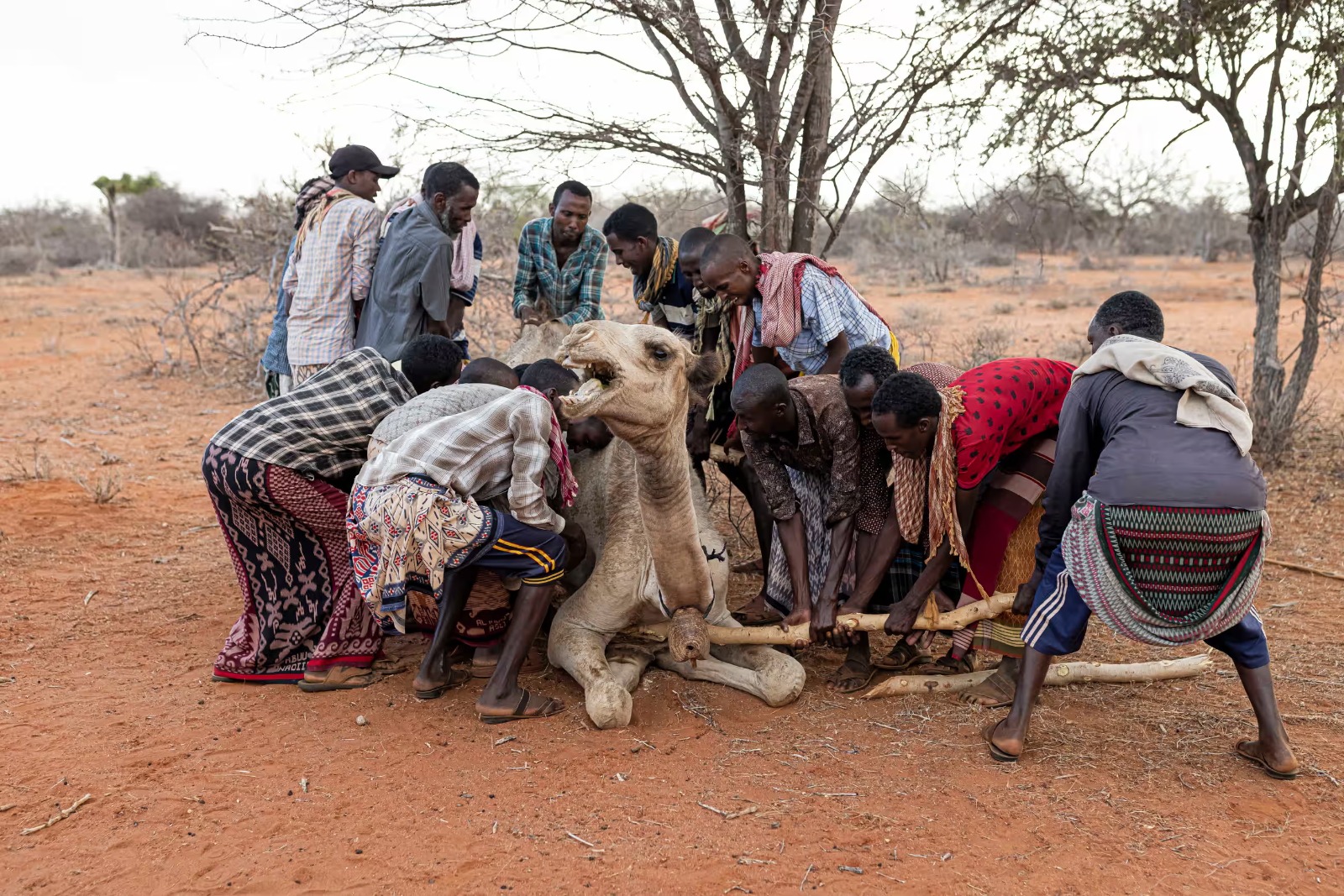
Pastoralism is a critical source of food value chains globally. In the Horn of Africa, pastoralists supply 70% of meat to Middle Eastern countries and own 10.5% of cattle, 12.9% of sheep, and 49.2% of camels in the world.

Despite regular climate shocks and devastating droughts causing water and pasture scarcity, which partly cause inter-community conflicts, the primary challenge to pastoralism remains the lack of appropriate public investment and policy support for dryland communities in Africa.

Through their efforts, pastoralists have maintained 43.2% of cattle, 34.6% of sheep, and 56% of all the camels on the African soil, producing millions of tonnes of milk, meat, hides, and skin value chains.

The IGAD protocol on transhumance, a regional policy and legal framework, aims to unblock cross-border bottlenecks, regulate livestock movement, and support those struggling to produce food in Africa’s most challenging landscapes.

COP28 Side Event Highlights Urgent Need for Holistic Policies in African Drylands

By Jarso Mokku and Joan Letting

In a compelling side event at COP28 titled “Land, Livestock, and Livelihoods: Early Actions for Adaptation and Resilience-Building from Africa’s Rangelands and Drylands,” stakeholders shed light on critical issues facing pastoralist communities in the drylands of Africa. Mr. Jarso Mokku, CEO of the Drylands Learning and Capacity Building Initiative (DLCI), facilitated the discussion, which delved into pressing challenges and overlooked solutions for marginalised populations.

The event provided a platform to articulate fundamental concerns:

  1. Drought’s Toll on Mental Health and Livelihoods

The devastating impact of recurring droughts on pastoralist families extends beyond tangible losses. The impact of drought, stress, back-to-back shocks, and losses of assets and human lives is affecting the mental health of many pastoralist families. Domestic violence is on the increase. Despite this, pastoralists do not want to leave the system; they only step out to survive, look for opportunities to rebuild their lost herds, and return to pastoralism. This is an indication that there is no viable and sustainable alternative to pastoralism in the drylands. Pastoralism is surviving without public investment support.

  1. 2. Marginalisation in Politics and Policy

Pastoralist people and pastoralism have a weak influence on power and politics. Mobility in the rangelands keeps them away from interacting with the centre of power that is domiciled in the cities. Pastoralists have relatively small populations with less voting power. Pastoralist contributions to GDP, natural heritage, and caring for large fragile territories and important resourceful ecosystems are rarely appreciated. Pastoralists are largely self-sustaining and pastoralist issues only come to attention when shocking images of stressed people along with their dying animals are reported in the media always too late.

  1. Aid Disparities and Development Support

There is more incentive for relief and emergency humanitarian aid support than willing donors to support pastoralism development initiatives to enable pastoralists to adapt effectively to climate change. Such inadequacies hinder effective resilience-building and mitigation against vulnerabilities created by drought, floods, and conflicts.

  1. 4. Land Rights and Climate Adaptation

The lack of secure community land rights perpetuates uncertainties and infringement of human rights in the drylands. Securing ancestral lands is crucial for the continued stewardship of fragile ecosystems by pastoralists. Urgent action is required to ensure legal land rights, empowering these communities in their role as custodians of these critical landscapes amidst a changing climate.

  1. Policy Discrepancies and Misalignments

Mismatches of policy action litter the pastoralist landscape and are adding to the current climate change crisis. Policies emphasizing sedentarization or restricting livestock movement contradict the adaptive nature of pastoralism. Costly initiatives aimed at settling pastoralists undermine their traditional resilience strategies. The current policy landscape is expensive and counter-productive and lacks synchrony with the realities of these ecosystems, adding complexity to the climate change crisis.

  1. 6. Urgent Need for Inclusive Policy Formulation

The policy formulation process often disregards the pastoralist perspective, isolating valuable insights from the larger context of their ecosystem. Policymakers’ approaches often neglect the intricate web of pastoralist livelihoods, failing to consider them integral components of a holistic ecosystem.

Call to Action

The call to action emphasised the imperative need for policymakers to adopt a comprehensive approach. Recognising the intertwined relationship between the people (pastoralists), land, and livestock is crucial.

“Policymakers must consider developing a mindset of how to integrate policymaking that addresses anticipatory actions about the people (pastoralists), land, and livestock as one component of a larger system and not separate.”

Integrating pastoralist voices and expertise into policy frameworks is imperative for sustainable development and effective climate adaptation in these vital landscapes. Policymakers are urged to shift their mindset, embracing a holistic approach to policymaking that acknowledges the intricate balance within pastoralist ecosystems.

The side event, which brought pastoralist voices together to explore investment priorities and solutions for Africa’s drylands and rangelands, was co-organized by the Jameel Observatory for Food Security Early Action with ALive4Climate partners the International Livestock Research Institute, the International Land Coalition, Mercy Corps, and SNV Netherlands Development Organisation. Read the full report here

Addressing Climate Change-Induced Violence- 5 Strategies for Effective Solutions


Article by Hillary Kitel.

In the vast and arid landscapes that stretch across the Kenyan-Ugandan and South Sudan borders, a pressing concern demands our attention – climate change-induced violence among pastoralist communities. These communities, often living at the intersection of tradition and environmental change, are grappling with a complex and increasingly perilous situation.

The heart of the matter lies in the relentless transformation of their environment –  Climate change, with its shifting patterns of rainfall, prolonged droughts, and erratic weather events, has disrupted the delicate equilibrium upon which these pastoralist societies have relied for centuries. Traditional grazing lands and the once-reliable sources of water are now rendered unpredictable, diminished, or altogether inaccessible.

Livestock at a watering hole waiting to drink during there turn due to the drought caused by adverse climate change.Livestock at a watering hole in Kacheliba, West Pokot County. Photo Credits

This environmental upheaval has set the stage for an alarming escalation in competition. Pastoralist communities, who have long depended on these natural resources for their livelihoods, now find themselves in fierce competition for what has become a finite bounty. As the scramble for these dwindling resources intensifies, tensions mount, and conflicts erupt among these communities.

But the issue runs deeper than resource scarcity alone. It strikes at the very heart of their way of life and survival. Diminishing pasturelands force herders to traverse deeper into neighboring territories, triggering territorial disputes and clashes over grazing rights. Similarly, the battle for access to shrinking water sources, vital for their livestock’s survival, has become a source of heightened tensions.

Moreover, climate change doesn’t merely disrupt the pastoralist way of life; it affects their economic stability as well. Livestock, which forms the backbone of their economy, faces dire consequences in the face of prolonged droughts, floods, or disease outbreaks. The resulting decline in livestock health and productivity translates into economic stress, leaving communities with few options. In this desperate struggle, some resort to raiding or livestock theft as a means of survival, further fueling conflicts.

The implications of climate change-induced violence are profound and far-reaching. They extend beyond the loss of lives and property. These conflicts lead to the displacement of entire communities, disrupting the social fabric and eroding the bonds that have held these societies together for generations. In many instances, they perpetuate a tragic cycle of violence, creating significant obstacles to development and impeding peacebuilding efforts in these already vulnerable regions.

Effectively addressing climate change-induced violence requires a multifaceted approach. It involves building resilience among pastoralist communities, resolving conflicts through dialogue, fostering cross-border cooperation, diversifying livelihoods, and mitigating climate change itself. These measures are not only vital for the well-being of these communities but also for the broader goal of global climate action and sustainable peace in these regions.

These conflicts arise due to several factors. First, diminishing pasturelands force herders to encroach on neighboring territories, triggering territorial disputes and clashes over grazing rights. Similarly, water scarcity exacerbates tensions as communities compete for access to dwindling water sources, vital for their livestock’s survival.

Additionally, climate change impacts livestock productivity, leading to economic losses for pastoralists. The decline in livestock health and productivity due to droughts, floods, or disease outbreaks creates economic stress, which further fuels conflicts as communities resort to raiding or theft of livestock as a means of survival.

The consequences of climate change-induced violence are far-reaching. It results in loss of lives, destruction of property, displacement of communities, and disruption of social cohesion. Moreover, these conflicts perpetuate a cycle of violence, hindering development, and impeding peacebuilding efforts in the affected regions.

Addressing climate change-induced violence requires a comprehensive approach. This includes:

  1. Climate Resilience and Adaptation: Implementing climate change adaptation strategies that build resilience among pastoralist communities. This involves promoting sustainable land and water management practices, diversifying livelihoods, and providing access to climate-smart technologies and knowledge
  2. Conflict Resolution and Peacebuilding: Engaging communities in conflict resolution mechanisms and promoting dialogue among different pastoralist groups. This involves fostering understanding, promoting peaceful coexistence, and addressing the underlying causes of conflicts.
  3. Cross-Border Cooperation: Encouraging collaboration and cooperation between governments, communities, and relevant stakeholders across national borders. This can involve joint resource management initiatives, sharing best practices, and establishing mechanisms for resolving cross-border conflicts.
  4. Livelihood Diversification: Supporting pastoralist communities in diversifying their livelihoods beyond livestock rearing. This includes promoting alternative income-generating activities, such as agro-pastoralism, beekeeping, and small-scale farming, which are less dependent on climate-sensitive resources.
  5. Climate Change Mitigation: Taking proactive measures to mitigate climate change through sustainable practices, reducing greenhouse gas emissions, and advocating for global climate action. Addressing the root causes of climate change is essential to alleviate the pressures on pastoralist communities and reduce the occurrence of climate-induced violence.


By recognizing the complex relationship between climate change and violence among pastoralist communities and implementing targeted interventions, we can work towards building resilient communities, fostering peace, and mitigating the adverse impacts of climate change on vulnerable populations.


DLCI Hosts Remarkable Global Voice Linking & Learning E-Meet

Linking & Learning E-meet participants on Zoom

 By Joan Letting

DLCI this week lit up screens worldwide with a dynamic global Voice Linking & Learning E-meet.  The theme of the event was ‘Lights, Camera, Action: Harnessing Film’s Power for Advocacy.’

The event commenced on Monday with the screening of ‘Natiir,’ a poignant film produced by Asewark Productions, a Voice Grantee. The film, starring renowned model Ajuma Nasenyana, tells the inspiring story of a young girl from the marginalized Turkana community. Despite facing displacement, early marriage prospects, and a betrayal in her educational journey, she perseveres, ultimately becoming a Member of Parliament and aspiring to become Kenya’s first lady president.

On the second day of the event, 33 participants, including Voice Linking & Learning Coordinator Inez Hackenberg, Voice Communications Officer Kayla Lapiz, and Voice Roving Monitoring and Evaluation Officer Alexander Loer, joined in. The participants represented Linking & Learning Amplifier Officers and Linking and Learning Officers from 10 countries: Indonesia, Philippines, Tanzania, Laos, Cambodia, Uganda, Niger, Mali, Nigeria, and Kenya. Together, they engaged in a dynamic exchange of ideas and experiences.

“That was a great topic, well executed,” Inez said.

Linking and Learning is the heart and soul of Voice. Voice is a project funded by the Ministry of Foreign Affairs Netherlands and implemented by a consortium between Oxfam and Hivos.

Drylands Learning and Capacity Building Initiative DLCI is the national Linking and learning Facilitator in Kenya. We support 30 Voice grantees from across the country to link and learn from each other.


Shattered Mirrors: Piecing Together the Puzzle of Identity.

Article by Mahmud Muktar.

Three friends and an acquittance sit at a table in a restaurant. As expected, the pals are engaged in a lively conversation fluently speaking their ethnic language. The ‘new’ guy sits attentively attempting to find his footing amidst the lively chatter. He murmurs a comment and the rest of the table burst out laughing as if he said something funny but that was not the case. He knows this feeling all too well, he’s felt it before, and yet it is still as embarrassing as the first time it happened when he went to visit his relatives in Northern Kenya at the tender age of ten. He is not an introvert, far from it, he can easily relate and get along with others but just not in this setting, and especially conversing in his mother tongue. He always feels out of place.

This is the story of the sons and daughters of some if not most migrants be it from countries, counties, or even mere towns. There is a loss of touch with one’s roots which may lead to a sense of estrangement creating a need to belong somewhere, anywhere with no judgement and a place that allows one to be themselves. First-generation migrants have their fair share of struggles with their identity because they are expected to abide by their native culture and traditions which their parents grew up with even though they are brought up in different area codes altogether. Despite this, most parents try their best and succeed in instilling some aspects of their traditions but one of the most important and challenging tools is the natal language. Between working hours for parents and school hours for children, it takes a lot of sacrifice to ensure that kids learn and speak their native language, especially in big towns and cities.

From the perspective of people from Kenya’s Dryland areas, the impact has been felt. A natural pastoralist community has cultures and traditions which resonate more with the environment. When first-generation migrants visit their indigenous people, they are viewed as outsiders and in turn, behave like tourists. Some would start taking snaps the first time they see a camel being slaughtered creating a divergence or disconnect between the locals and their young visitors.

Photograph by Patrick Meinhardt

The young visitors might have basic listening skills of their local language but often struggle to respond eloquently. In response, the locals come up with names for their young and ‘dumb’ visitors who don’t understand their language let alone their own culture. Names like ‘Ichakun’ by the Turkana community, ‘Tene’ by the Borana, ‘Kaure’ by Pokot and the well-known ‘sijuu/sijui’ by the Somali community are just a few examples of the nicknames given to first-generation migrants who cannot speak the language potently. These names are considered offensive and discriminatory by the individuals they are used to refer to. This brews a rift between the two parties and can end up creating resentment towards one’s ethnic group. Consequently, this could lead to one losing their identity and creating a need for acceptance away from their own kinsmen.

The real punch in the gut for the first-generation migrants and those who come after is when the stigma they face in their native communities follows them into the cities they reside in. Where strangers, acquittances, relatives or even their own parents might continue describing them using these derogatory names, looking down upon them as inferior people because they can’t speak their language and are not in tune with their heritage. Why would they expect them to be? These people have been brought up in a different environment (arguably with better living conditions because that was their parents’ goal for migrating), diverse communities and have a completely different view of the world. It’s unfair to impose the same cultural expectations on them, as they have developed their own distinct identity influenced by their experiences.

Sapir- Whorf Hypothesis from the movie ” Arrival”.

There is a very strong correlation between the language one speaks and how one sees everything according to the Sapir-Whorf hypothesis. The theory states that language does not just give people a way to express their thoughts – it influences and determines their thoughts (how they see the world). The gap between the haves and the have-nots in terms of vernacular proficiency could be understood by how these two groups view the world and their environs. The view in terms of relationships, entertainment, marriage, and religion will be different as this is determined by one’s language and environment.


The totality of one’s perception of self and how we view ourselves as individuals is one of the many ways of defining identity, and people from Kenya’s dryland areas are so proud of theirs. The best way to safeguard this identity in my opinion is by first not discriminating against our young generation who have not had the opportunity to find their identity because of their environmental constraints and to make them feel part of the community. There is also a huge responsibility on parents to understand how important the mother tongue is and how it could shape the reality of their children’s lives.

USIU Cultural Week 2021

Lastly, having cultural festivals which bring together people from the same ethnic tribes can be a powerful way to celebrate and preserve the richness of their culture and traditions. By beautifying the culture and tradition we can inspire the next generation’s interest and instill a sense of pride in their indigenous background, fostering a stronger sense of cohesion within the community.

USIU Cultural Week 2021

Hon Ekwe Ethuro, PPG’s Founding Member visits DLCI

By Hillary Kitel

DLCI was honoured to receive a courtesy call from Hon RT Ekwe David Ethuro, EGH, CBS, a distinguished guest and a founding member of the Pastoralist Parliamentary Group PPG.

Hon Ethuro, in addition to being a founding member of this important organization, also holds the title of Emeritus Speaker of the Senate of Kenya, Member of Parliament for Turkana Central Constituency, and former Chairman of the Speakers’ Forum of Kenya.

His visit provided us with valuable insights and an opportunity to strengthen our collaboration towards the empowerment and development of pastoralist communities.

We appreciate Mr. Ethuro’s presence and his dedication to advancing the rights and well-being of marginalized groups.

Mobile Pastoralism: How It Can Mitigate the Climate Change Menace

By Hillary Kitel.

Mobile pastoralism, also known as transhumance, is a seasonal movement of livestock between different pastures. It is a traditional practice that has been used for centuries by pastoralist communities around the world. It is a system that offers numerous benefits and plays a vital role in addressing climate change.

Here are some ways in which mobile pastoralism can contribute to climate change mitigation and adaptation:

  1. Sustainable Land Management:  Pastoralists rely on extensive grazing systems, allowing livestock to graze on large areas of land for shorter periods. This rotational grazing helps prevent overgrazing, promotes biodiversity, and allows vegetation to regenerate, enhancing the resilience of ecosystems in arid and semi-arid regions.


Pastoralism: Camels and Goats owned by a pokot herdsman at a watering Hole

  1. Carbon Sequestration: Pastoralist landscapes, with their diverse vegetation cover, can act as carbon sinks, absorbing and storing significant amounts of carbon dioxide from the atmosphere. The careful management of grazing patterns and vegetation dynamics by mobile pastoralists can contribute to carbon sequestration, reducing greenhouse gas emissions.


Kenya: Climate Change Destroys Pastoralist Livelihoods

  1. Resilience to Climate Change: Mobile pastoralism is inherently adaptable to changing climatic conditions. Pastoralists have developed knowledge and strategies to cope with variable weather patterns, such as droughts or floods. Their mobility allows them to access different grazing areas, ensuring the survival of their livestock during extreme climatic events.


  1. Biodiversity Conservation: Pastoralist practices contribute to the preservation of biodiversity by maintaining diverse grassland ecosystems. The mobility of pastoralists prevents the dominance of certain plant species and allows for the coexistence of a wide range of plant and animal species, promoting ecological balance and protecting endangered species.


  1. Cultural Preservation: Mobile pastoralism is deeply rooted in the cultural identity of many communities. By supporting mobile pastoralism, we not only protect valuable ecosystems but also preserve unique cultural traditions, knowledge systems, and social structures that have sustained generations of pastoralists.


Kenya's Maasai zone grazing land to keep off property developers | Land Portal

Embracing and supporting mobile pastoralism can have positive impacts on climate change mitigation, biodiversity conservation, and the livelihoods of pastoral communities. Recognizing its value and implementing policies that empower and support pastoralists are crucial steps toward a more sustainable and resilient future.


Photo Credit: REUTERS/Thomas Mukoya

Hi! I'm DLCI's AI assistant. What can I help you find today?