Rewiring Drylands Governance: Women and Youth Must Move from the Margins to the Centre.
Article by Bilach Jimale—Programs Manager at DLCI
Kenya’s drylands are changing fast. Markets are expanding, mobility patterns are shifting, and digital systems now shape how pastoralism works. But one thing has remained stubbornly unchanged: who holds power. Governance in the drylands still revolves around councils of elders, structures that, while culturally important, no longer reflect how dryland economies actually function.
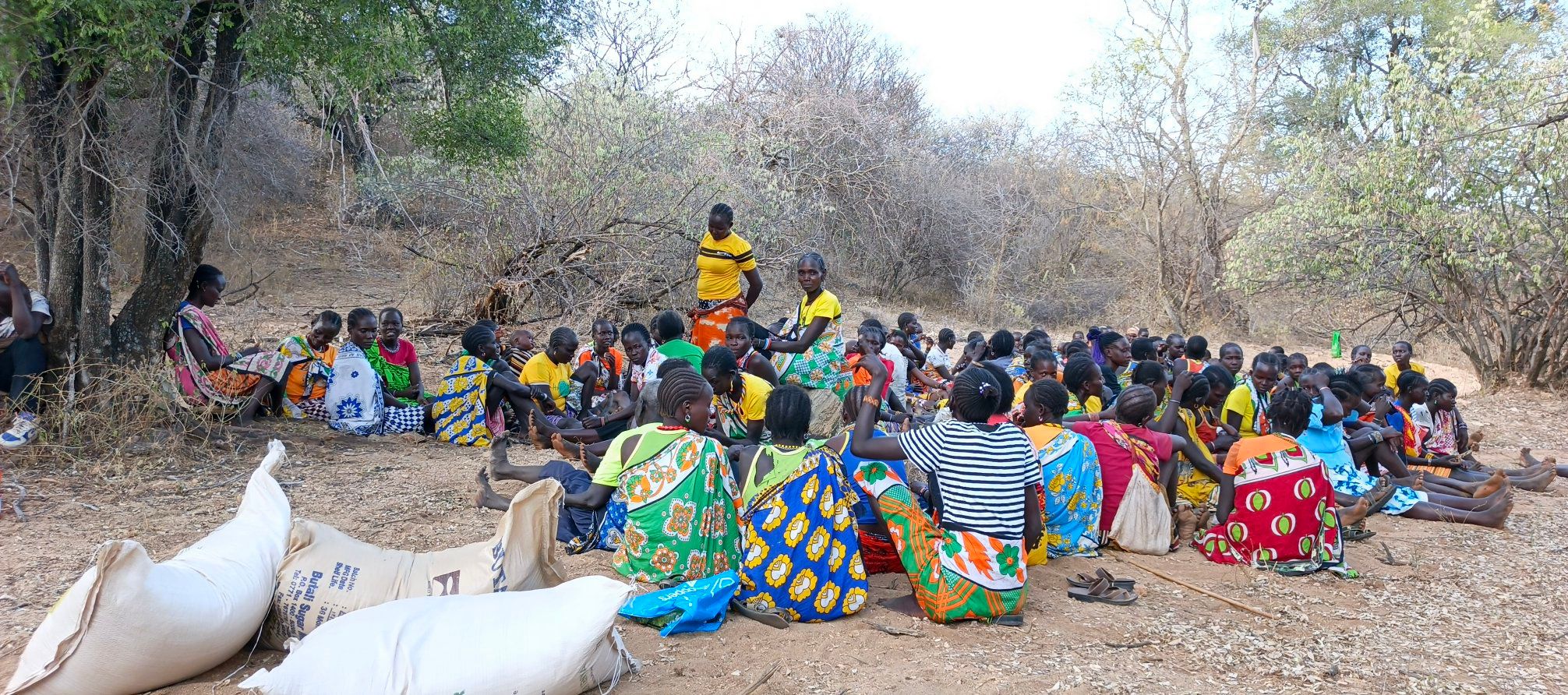
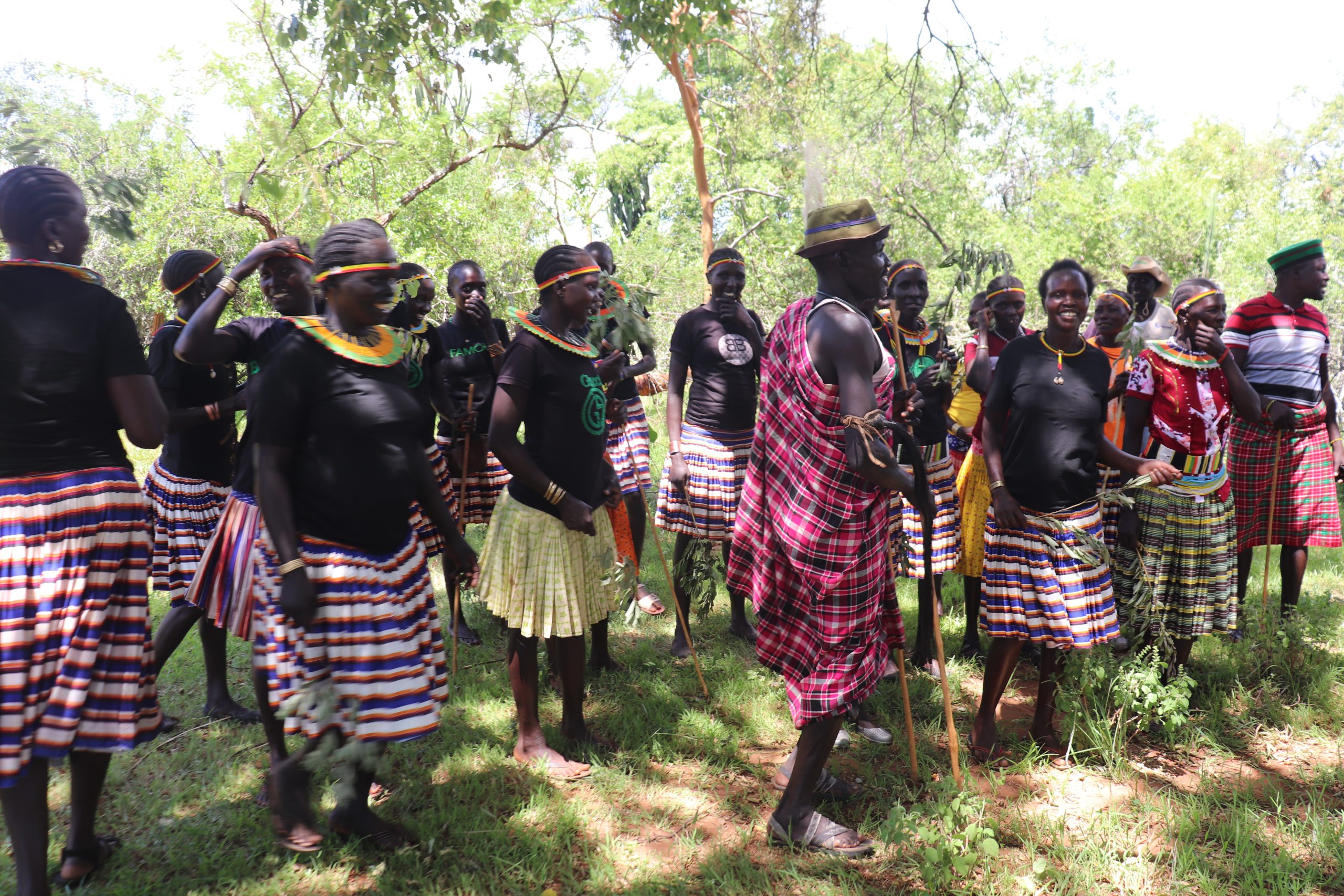
Women and youth now run most of the daily systems that keep communities alive. They manage water, repair pumps, move livestock, operate digital payments, aggregate products, maintain solar systems and cold chains, verify rumors, and run early-warning groups. Yet they remain largely excluded from decisions, budgets, and asset ownership. This mismatch between responsibility and authority is one of the biggest barriers to effective development in the drylands.
It is time to reset the governance model and place real power in the hands of those who keep the drylands moving.
Why Women and Youth Matter Most Today
For decades, development actors treated women and youth as “beneficiaries” to be consulted at the end of a project cycle. But the ground reality has shifted.
Women are the beating heart of dryland systems. They manage water, nutrition, fodder production, poultry, honey value addition, and household-level resilience measures. When water points break down, it is women who queue for hours. When herds weaken, it is women who stretch the food supply.
Youth provide the speed, mobility, and digital accuracy that dryland markets rely on. They operate motorbikes and trucks, handle MPESA and digital receipts, repair water systems, map grazing areas, and run online markets for livestock, honey, and fodder. They are the first to detect stress signals in the landscape, and the fastest to share them.
To leave these groups out of decision-making is to deliberately weaken the very systems on which communities depend.
From Consultation to Control
If Kenya wants stronger services, fairer markets, and more resilient communities, women and youth must move from symbolic representation to actual power.
That means:
- Binding votes on budgets, tariffs, grazing rules, and procurement.
- Ownership of water points, fodder plots, market stalls, and cold-chain units through women and youth cooperatives.
- Control over at least 50% of community‑level funds, with full signatory authority.
- Youth-managed data systems, dashboards, digital payments, audits, and asset registers.
This is not radical. It is common sense. Systems work better when those who run them also make the decisions.
How It Works in Practice
Successful examples are already emerging across the ASALs:
- Water points where women set tariffs and youth run mobile payments have fewer breakdowns and better revenue tracking.
- Rangeland committees where women monitor grazing compliance and youth map corridors have clearer rules and lower conflict.
- Livestock markets led by women’s savings groups and youth aggregators deliver better prices and cleaner records.
- Peace committees where women verify rumours and youth run radio/WhatsApp alerts respond to threats faster and more accurately.
These are not experiments; they are the new reality of dryland systems. The governance structures must now catch up.
The Obstacles Are Predictable
To shift power, three risks must be actively managed:
- Tokenism: Appointing women and youth without giving them control of money or assets.
- Parallel systems: Creating new committees instead of strengthening customary forums within statutory laws like the Community Land Act.
- Elder veto power: Allowing elders to block reforms meant to improve transparency and performance.
Elders play a vital cultural role, especially in peace and norms. But their place should be advisory, not dominant.
Priority Actions for Counties and Partners
A meaningful shift requires bold but practical steps:
- County laws requiring 50% representation of women and youth—with binding votes.
- Financing rules allocating half of community-level budgets directly to women- and youth-led bodies.
- Open digital dashboards showing real-time revenues and expenditures managed by trained youth.
- Full enforcement of the Community Land Act (2016) to ensure women and youth hold at least half of seats in Community Land Management Committees.
These changes would transform service delivery and improve accountability overnight.
The Future of the Drylands Belongs to Women and Youth
Rewiring dryland governance does not mean displacing elders. It means aligning power with responsibility. Elders remain custodians of culture and peace—important roles that should continue. But the day‑to‑day engines of resilience are now powered by women and youth.
If Kenya is serious about drylands development, climate resilience, and peace, then the governance model must finally reflect the people who do the work. The future of dryland development is not with those who used to lead, but with those who lead today—women and youth: the real drivers of innovation, accountability, and inclusive growth.
https://jameelobservatory.org/
https://www.sparc-knowledge.org/