Reflections on the International Funders for Indigenous Peoples Conference (IFIP) 2025
Reflection on the first IFIP Global Conference at Enashipai Resort, Naivasha, Kenya.
By Jarso Mokku, Chief Executive Officer – CEO, DLCI.
The Drylands Learning and Capacity Building Initiative (DLCI) is a non-governmental organisation established and led by Indigenous peoples from Kenya’s drylands.
The International Funders for Indigenous Peoples (IFIP) titled first global conference “Global Impact, Local Solutions: Funding Indigenous Self-Determination and Leadership.” The conference lasted five days and began on 17 February 2025. Discussions, dialogue, and networking focused on advancing funding for Indigenous peoples’ self-determination. The conference also provided a platform to share knowledge, foster partnerships, and facilitate international funders’ direct engagement with Indigenous communities and various stakeholders from Africa.
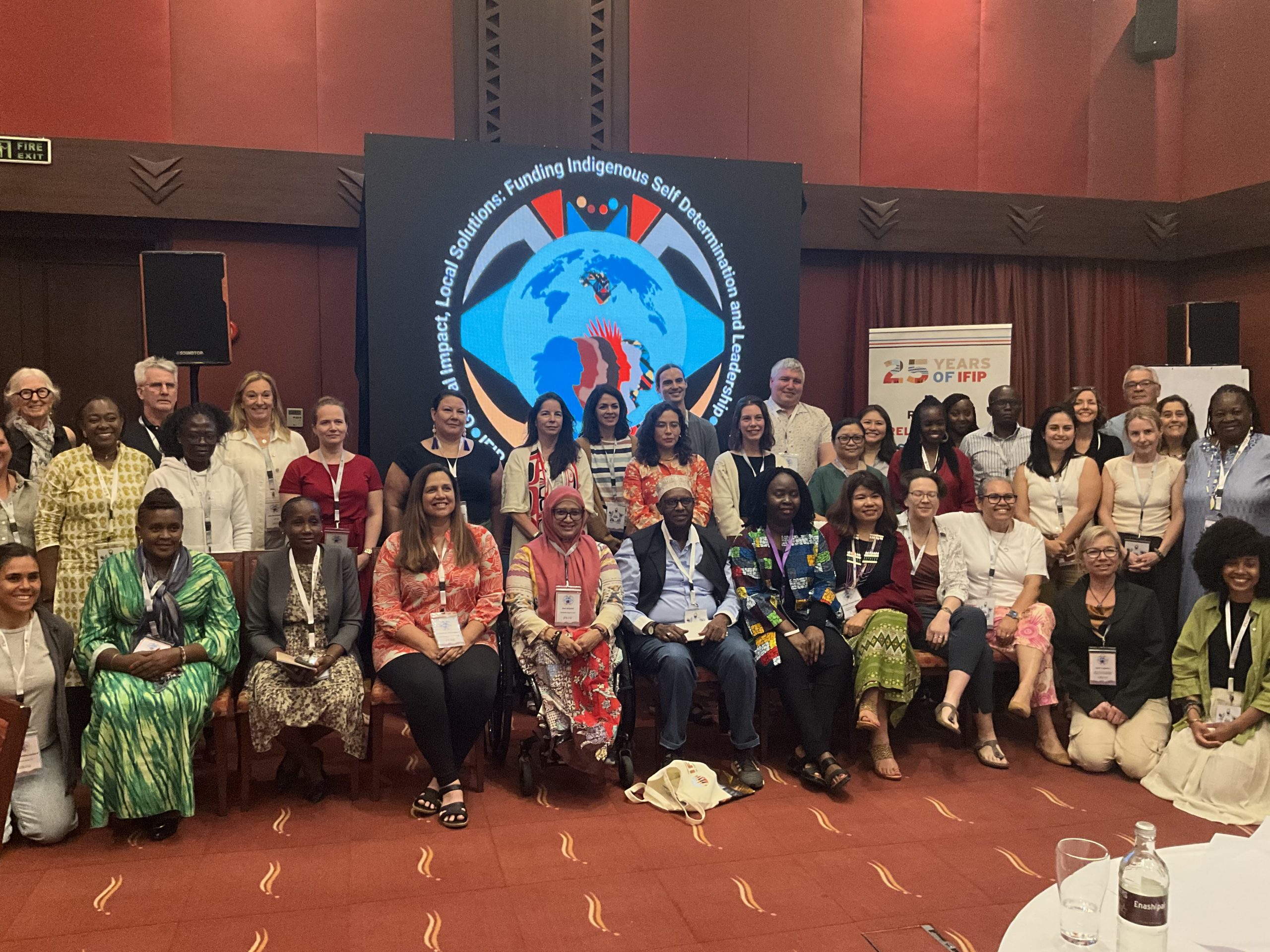
Group Photo of the participants of the Indigenous Philanthropy Institute (for funders only) session at the IFIP Global conference 2025.
The process commenced with pre-conference activities on the first day, a reflection on donor practices on the second day, explorations of strategies to better align global funding with Indigenous philanthropic values—respect, Reciprocity, Responsibility, Relationship, and Redistribution—on the third day, and the building of partnerships on the subsequent days.
A team of four participants from our organisation – www.dlci-hoa.org – attended the first IFIP Global Conference. This marks our first attendance at an IFIP event. We are grateful for the invitation extended by our esteemed partner, the Christensen Fund Foundation (TCF) – www.christensenfund.org, which enabled our participation in this conference. TCF has provided us with the most flexible funding, which we have utilised to influence government policy and practice, ensuring support for pastoralists and Indigenous people in Kenya. TCF’s support has emboldened us in our struggle to cope with the vagaries of climate change in the drylands, as well as with the discriminatory, brutal laws and policies targeting Indigenous people. We have developed strategies to build resilience and protect the lives and livelihoods of pastoralist communities in the fragile ecosystem of Northern Kenya. TCF’s funding has also helped us realise that our struggle is more significant than our individual lives. Shifting the mindsets of funders and policymakers is a challenging and costly endeavour, requiring long-term commitment. We are committed to pursuing and achieving our people’s self-determination goals: empowered pastoralists living peacefully on secure ancestral land, safeguarding biodiversity and nature, and becoming resilient against climate change.
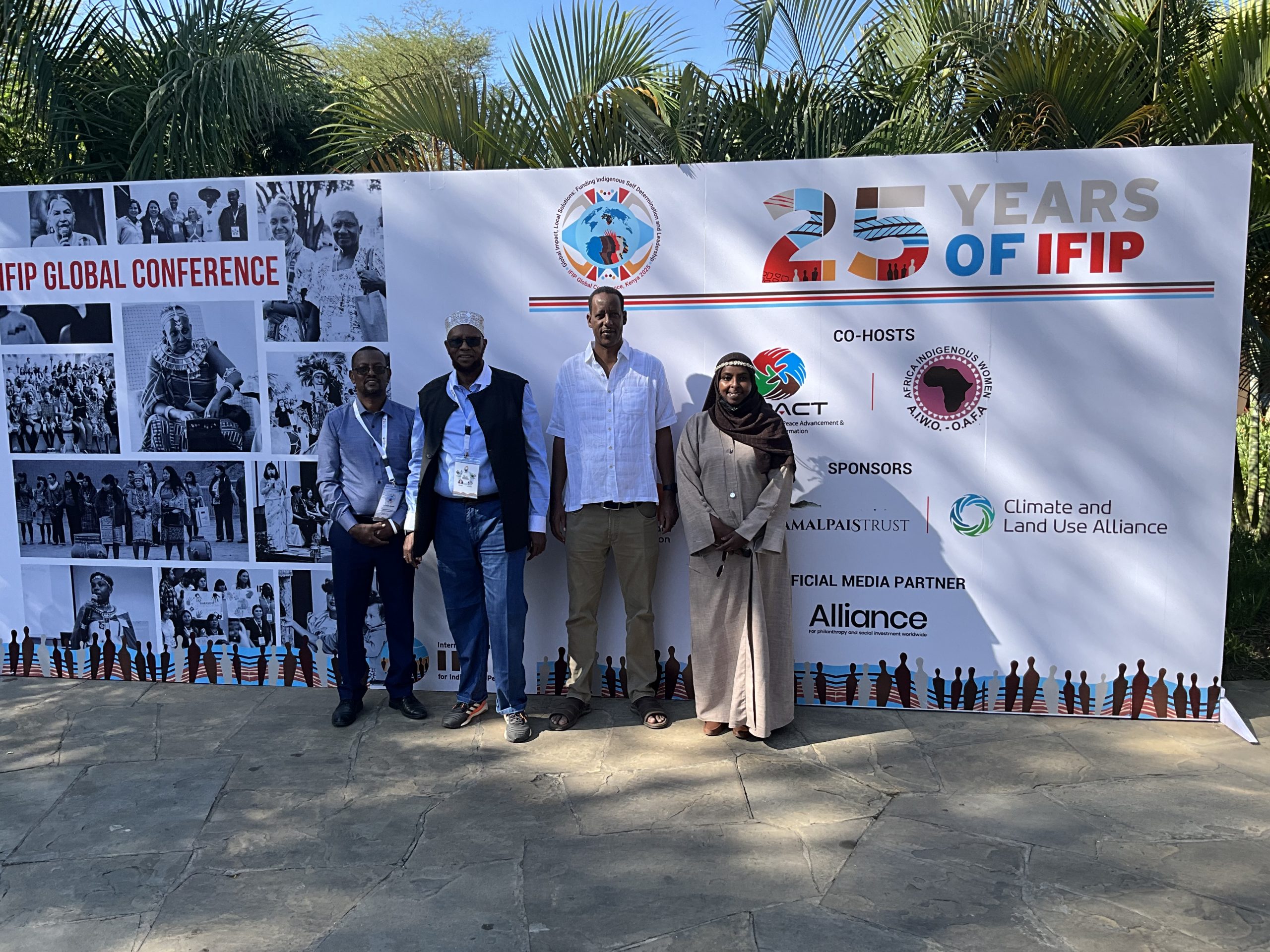
(Left to Right) – Hussein Jirma, Jarso Mokku, Mohammed Dida and Bilach Jimale at the IFIP Global Conference 2025
The conference was inspiring from the outset, commencing with the opening ceremony, an introduction to the International Funders for Indigenous Peoples (IFIP), knowledge sharing, and listening to stories from Indigenous Peoples around the globe. The IFIP conference provides an open space for significant information exchange and excellent opportunities for in-depth networking with various stakeholders. Our team is now eager to become a regular affiliate member and to remain part of this extraordinary Indigenous movement and network. We are pleased to attend the upcoming 26th IFIP global conference in Australia in 2027, provided a lack of funding does not restrict us.
All sessions at the conference were educational, fascinating, and outstanding. I will focus on and share what I learned from the IFIP Indigenous Philanthropy Institute session. The session aimed to build Indigenous funding momentum, transform funders’ partnerships with Indigenous communities, and foster a philanthropic culture rooted in value-based partnerships, using IFIP’s “Five R’s Principles of Indigenous Philanthropy”: Respect, Reciprocity, Responsibility, Relationships, and Redistribution.
This idea is to support the philanthropic sector in shifting towards an inclusive giving paradigm that puts the Indigenous Peoples leadership, self-determination, and rights at the centre while promoting a deeper understanding of Indigenous values and knowledge.
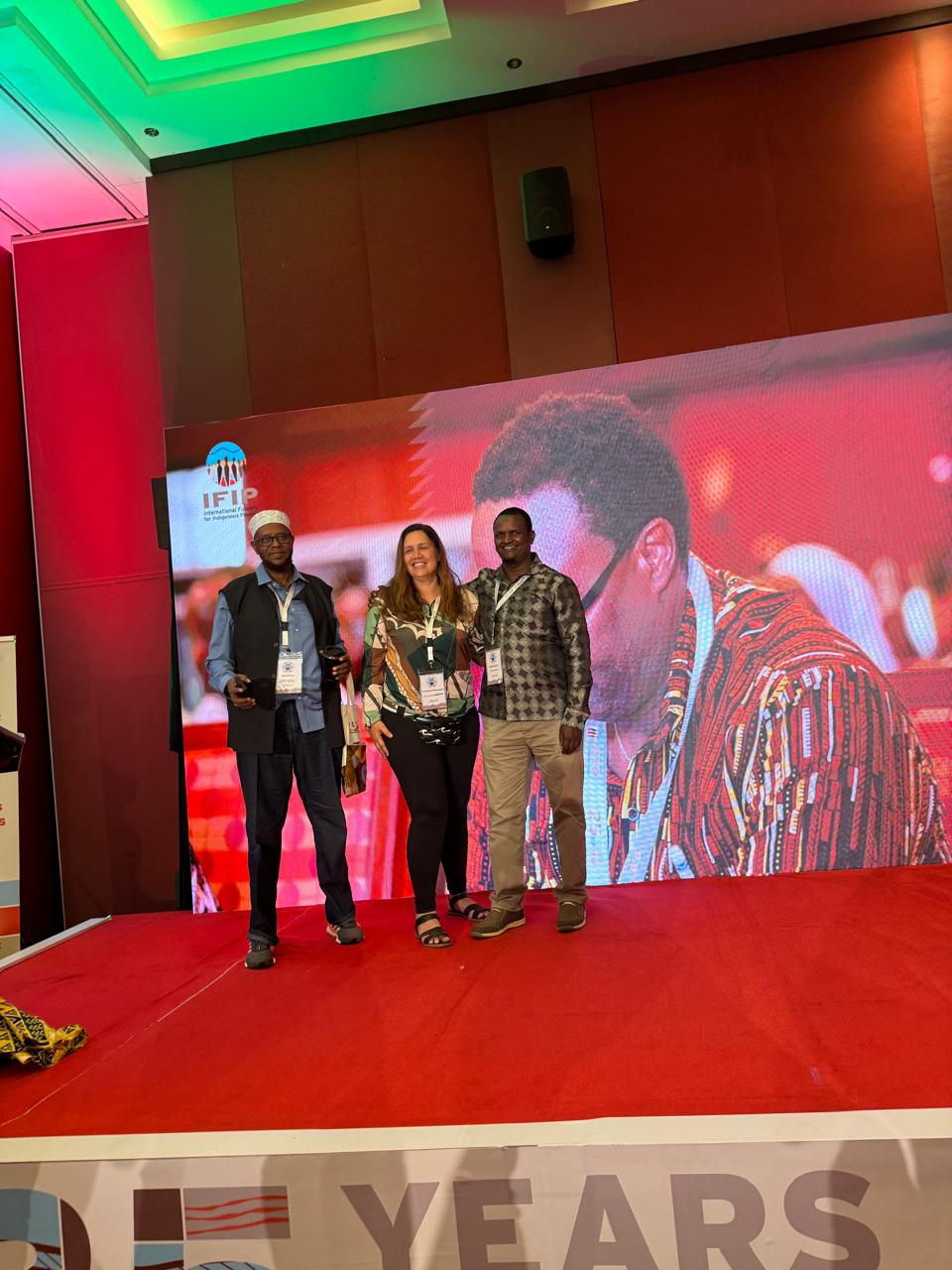
DLCI CEO, Jarso Mokku, Kuʻuleinani Maunupau, CEO, Native Hawaiian Philanthropy and Christensen Fund Kenyan Director Strategy, Hassan Roba at IFIP Global Conference
The Institute guides global funders in adopting equitable grant-making strategies and enhances long-term engagement with Indigenous communities. The session provided various reading and reference materials, I read the following documents; Scott-Enns, I (2020) Indigenous Ways of Giving + Sharing, the Indigenous-led Funds Landscape Scan report (IFIP, Feb 2024), Time to Set Up: Solidarity for Redistributing Funding to Indigenous Women (IFIP, March 2024), Leaders and Stewards: Global Analysis of Funding to Indigenous Women (IFIP, March 2024), Essential Principles of Partnering and Funding Indigenous Women’s Organisations (IFIP, April 20, 2023), and a Funding Trend Analysis on Indigenous Peoples Philanthropy: 20 Recommendations for Future Actions, submitted by Archipel Research and Consulting Inc.
To quote a powerful statement from the documentation available for this session: Scott-Enns (2020) states that Indigenous peoples have an understanding of philanthropy that is deeply rooted in their languages, ancestral knowledge, and cultural values of giving and sharing. The English language cannot accurately describe and fully capture the diversity of the Indigenous worldview of philanthropy and the values that guide their work.
Substantial impact of colonialism had long-lasting effects even after the formal state occupation ended. Experiences from the Indigenous Peoples in Australia are pretty astonishing. Stories shared illustrate how, 50 years into the process of brutal control over the Indigenous people’s lives, colonisation has devastated Indigenous languages, cultures, lives and livelihoods, with its adverse effects persisting after 200 years of colonisation has ceased.
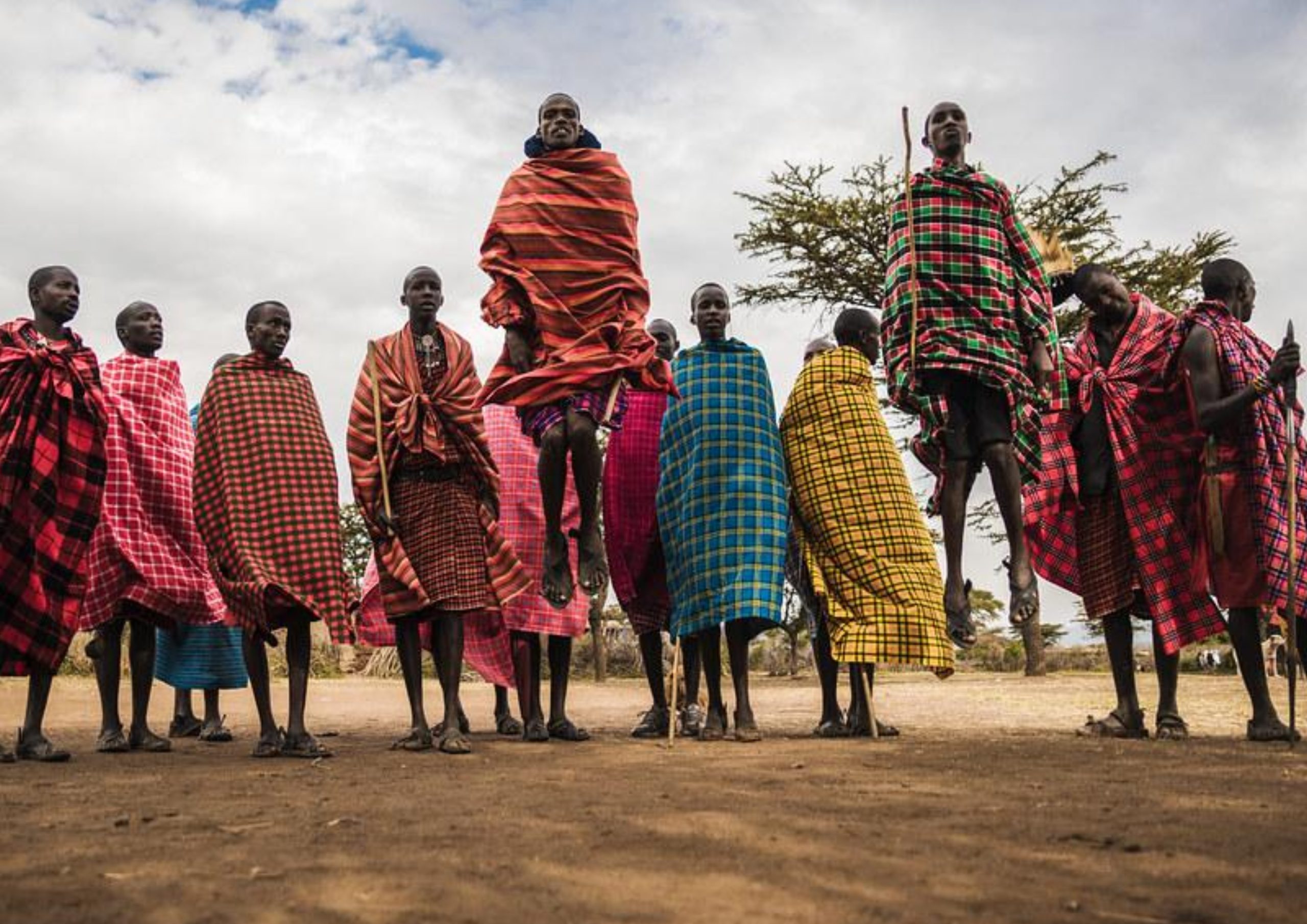
Members of the Kenyan indigenous Maasai Tribe performing their cultural dance
Most traditional donor-funded projects, in a way that never ends, have failed to convey how robust and resilient Indigenous systems are surviving the brutality of colonisation. It preoccupies itself with symptomatic challenges rather than supporting a transformative agenda of the Indigenous peoples’ to find a path to self-determination and regain possession of their lives after years of savage physical violence and cruelty to the Indigenous people’s system by colonisation.
Future funding for Indigenous peoples should shift from project-based approaches to the long-term rebuilding of relationships. Flexible and timely financing should enable Indigenous communities to implement life-changing transformative initiatives with respect, reciprocity, responsibility, and relationship. This can genuinely shift power to Indigenous people and allow them to reclaim self-determination and develop interventions on their terms.
Innovative reconstructive ideas should garner support from any progressive funders, including initiatives that foster and build strong relationships between Indigenous peoples and donors, starting with a call to project proposal and co-creation of intervention activities. In the future, Indigenous peoples’ fund-led advocacy priorities should mainly encompass specific ideas and types of programmes that donors should be inclined to support, and such practice can shift policy and practices. Project ideas, concepts and proposals should not be generated in the boardrooms detached from the realities faced by Indigenous peoples.
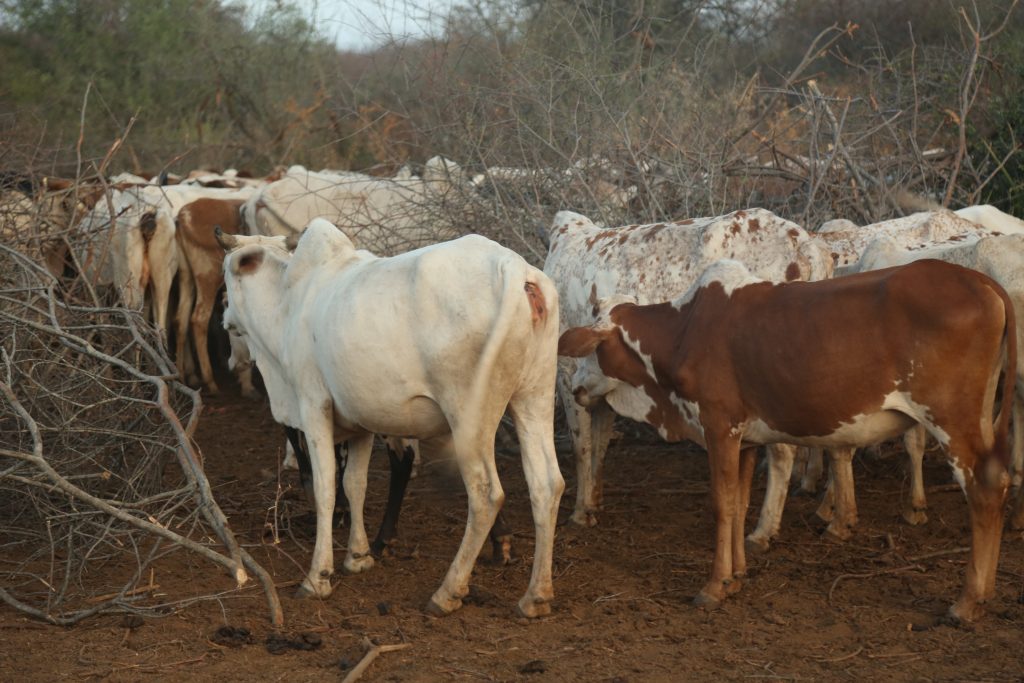
A poignant story from an African village shared at the IFIP global conference revealed an unfamiliar perspective on how donors assess grant success, which often is a mere box-ticking exercise. There is an urgent need to refocus the criteria for grant impact towards transformative outcomes, empowering Indigenous peoples to define what grant success looks like. In this case study of a donor call for proposals, an Indigenous leader responded to the call, “The success of your grant should be assessed in terms of ‘If our cows are fat, then your grant is successful; if our cows’ body condition is poor, then your grant has failed.’ The response did not fit the prescribed donor funding perspective of outcome measure. The funding agency would not comprehend the depth of meaning. It thus would not accept responsibility based on this clear criterion of measuring the impact of grant success defined by the Indigenous people’s leader. The project was not funded.
The donor funding call for project concept arising from the usual boardroom business model undoubtedly perpetuates undesirable change, with the consequence that it is likely to sustain the harmful effects of past regime mindset and undermine Indigenous Peoples’ self-determination: “When you are poor, you can easily give away your rights.” The 25th global conference, “Global Impact, Local Solutions: Funding Indigenous Self-Determination and Leadership,” is genuinely an eye-opener for new participants like us who are seeking immediate actions; incorporating IFIP Indigenous Peoples’ principles of respect, relationships, responsibility, reciprocity, and redistribution into global funding is very inspiring for us.
As an organisation led by indigenous peoples, our participation in the IFIP global conference for the first time will undoubtedly enhance our efforts to improve drylands policies and practices in the Horn of Africa. The information shared will increase the quality, value, and reach of our goal to promote pro-pastoralist initiatives that will significantly benefit from the knowledge shared and gained at the 25th IFIP global conference in Naivasha. We feel energised to redouble our efforts and support the scalability of self-determination for pastoralist communities—women, youth, and children—while fostering a global understanding that utilises Indigenous peoples’ extensive collective knowledge and wisdom. We shall maintain a connection with our indigenous land territories and their protection, which is vital for building a future relationship with international strategic funders. We shall emphasise the sustainable, reciprocal use and regeneration of our natural resources for intergenerational benefits rather than quick extraction that destroys the planet.
We will use our power to convene large gatherings of Indigenous Peoples, bringing them together with various stakeholders to build bridges and foster relationships across international borders. All our business is conducted beneath the trees, which empowers the community, amplifies informal voices, and directly affects the complexities of governmental bureaucracy in policymaking discussions.
Community Sensitization session with women from the indigenous Samburu Community in Samburu County, Kenya.
Our organisation has a dedicated programme that provides technical services and policy advice to the parliamentary Caucus in the Kenya National Assembly, known as the Pastoralist Parliamentary Group (PPG), which includes over one hundred elected representatives. This work ensures pastoralists can access government and public services while linking the people’s informal and formal complex government systems. This unique approach of operating at both ends and in between embodies Indigenous peoples’ practices. It represents our most significant value proposition, distinguishing us from other formal civic organisations in Kenya. Our working methods effectively connect small grassroots women, youth, and traditional council institutions of Indigenous peoples, as well as voices from marginalised remote areas, to be present at the core discourse of multiple stakeholders and policy makers. We use the opportunity to foster gender inclusivity and conflict sensitivity, deliver environmental justice decisions, and promote biodiversity protection and rangeland resources in dryland areas.
In global conference dialogues and knowledge-sharing platforms, we strive to elevate and amplify the voices of Indigenous communities from dryland areas, who suffer the most despite contributing the least to global climate injustice. Furthermore, we join others in celebrating the capacity of Indigenous peoples to influence formal policy actions and protect our Indigenous heritage.
However, securing international support and stable, flexible, strategic funding poses a significant challenge to our people’s aspirations for our type of work. We require thoughtfully conceived funding that mobilises active high-level policy engagement and utilises the collective wisdom of indigenous peoples to foster stability in the pastoralist communities of Northern Kenya. According to Kenyan law, our people must obtain legal land tenure rights to our ancestral land. We look forward to building partnerships with strategic funders to share our story in greater detail and highlight how we influence the growth of women’s leadership and climate change policies. Stability funding is necessary to assist pastoralists in securing our ancestral land territories and empowering our representatives within national government institutions to become effective community leaders.
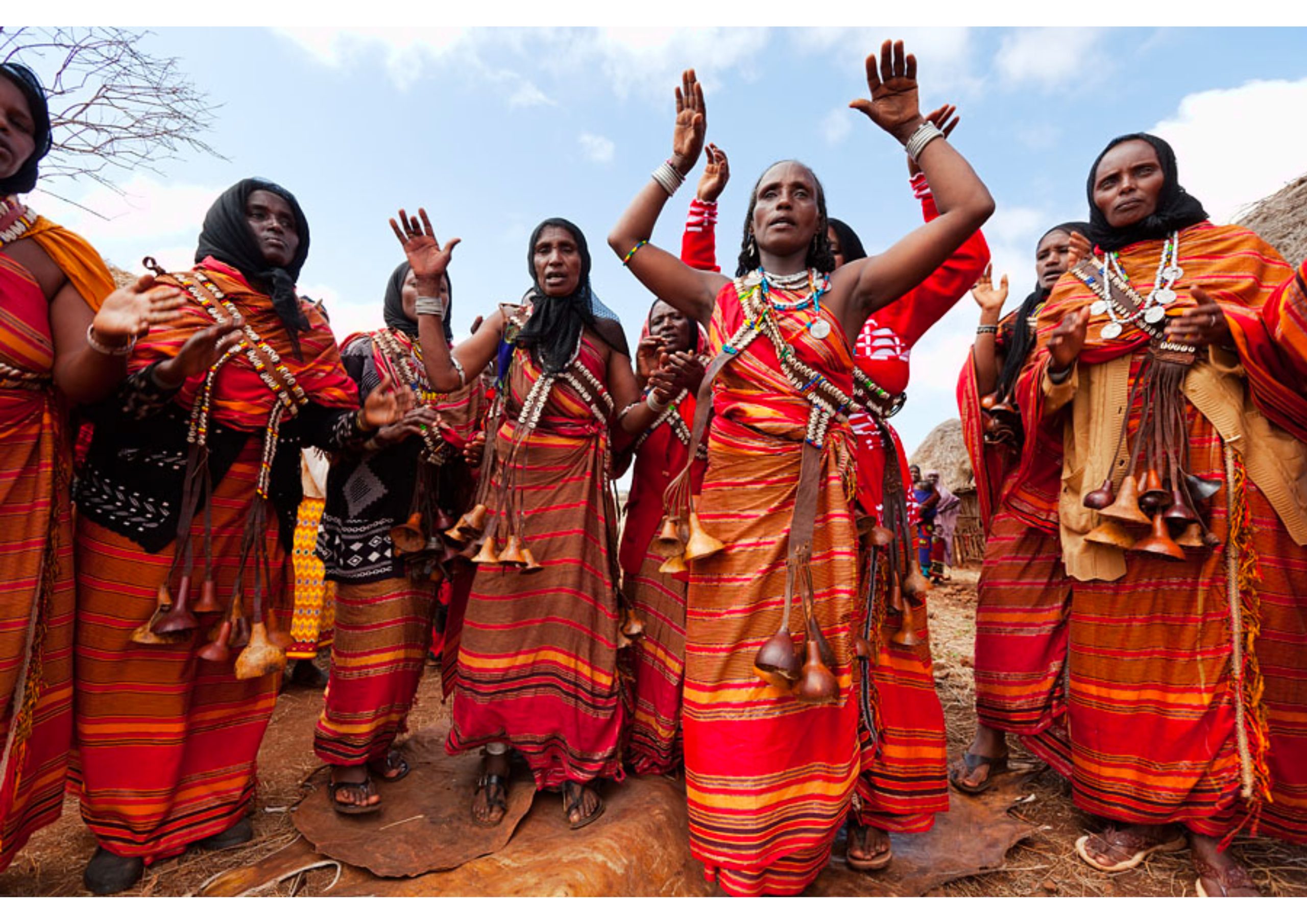
Members of the Kenyan indigenous Borana Tribe performing their cultural dance.