Shattered Mirrors: Piecing Together the Puzzle of Identity.
Article by Mahmud Muktar.
Three friends and an acquittance sit at a table in a restaurant. As expected, the pals are engaged in a lively conversation fluently speaking their ethnic language. The ‘new’ guy sits attentively attempting to find his footing amidst the lively chatter. He murmurs a comment and the rest of the table burst out laughing as if he said something funny but that was not the case. He knows this feeling all too well, he’s felt it before, and yet it is still as embarrassing as the first time it happened when he went to visit his relatives in Northern Kenya at the tender age of ten. He is not an introvert, far from it, he can easily relate and get along with others but just not in this setting, and especially conversing in his mother tongue. He always feels out of place.
This is the story of the sons and daughters of some if not most migrants be it from countries, counties, or even mere towns. There is a loss of touch with one’s roots which may lead to a sense of estrangement creating a need to belong somewhere, anywhere with no judgement and a place that allows one to be themselves. First-generation migrants have their fair share of struggles with their identity because they are expected to abide by their native culture and traditions which their parents grew up with even though they are brought up in different area codes altogether. Despite this, most parents try their best and succeed in instilling some aspects of their traditions but one of the most important and challenging tools is the natal language. Between working hours for parents and school hours for children, it takes a lot of sacrifice to ensure that kids learn and speak their native language, especially in big towns and cities.
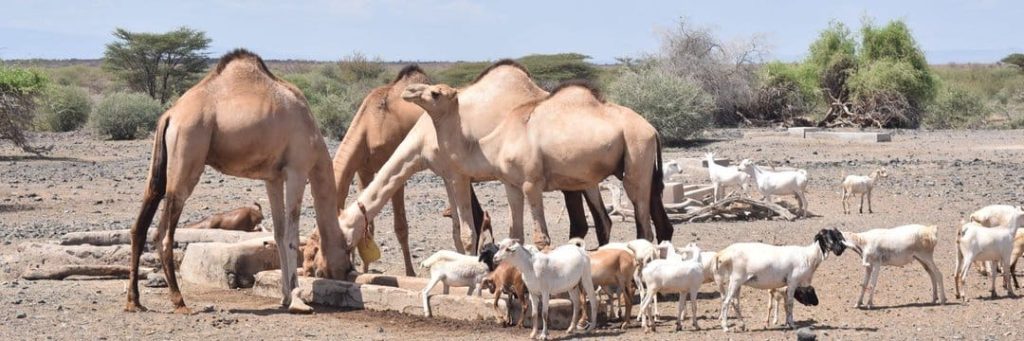
From the perspective of people from Kenya’s Dryland areas, the impact has been felt. A natural pastoralist community has cultures and traditions which resonate more with the environment. When first-generation migrants visit their indigenous people, they are viewed as outsiders and in turn, behave like tourists. Some would start taking snaps the first time they see a camel being slaughtered creating a divergence or disconnect between the locals and their young visitors.
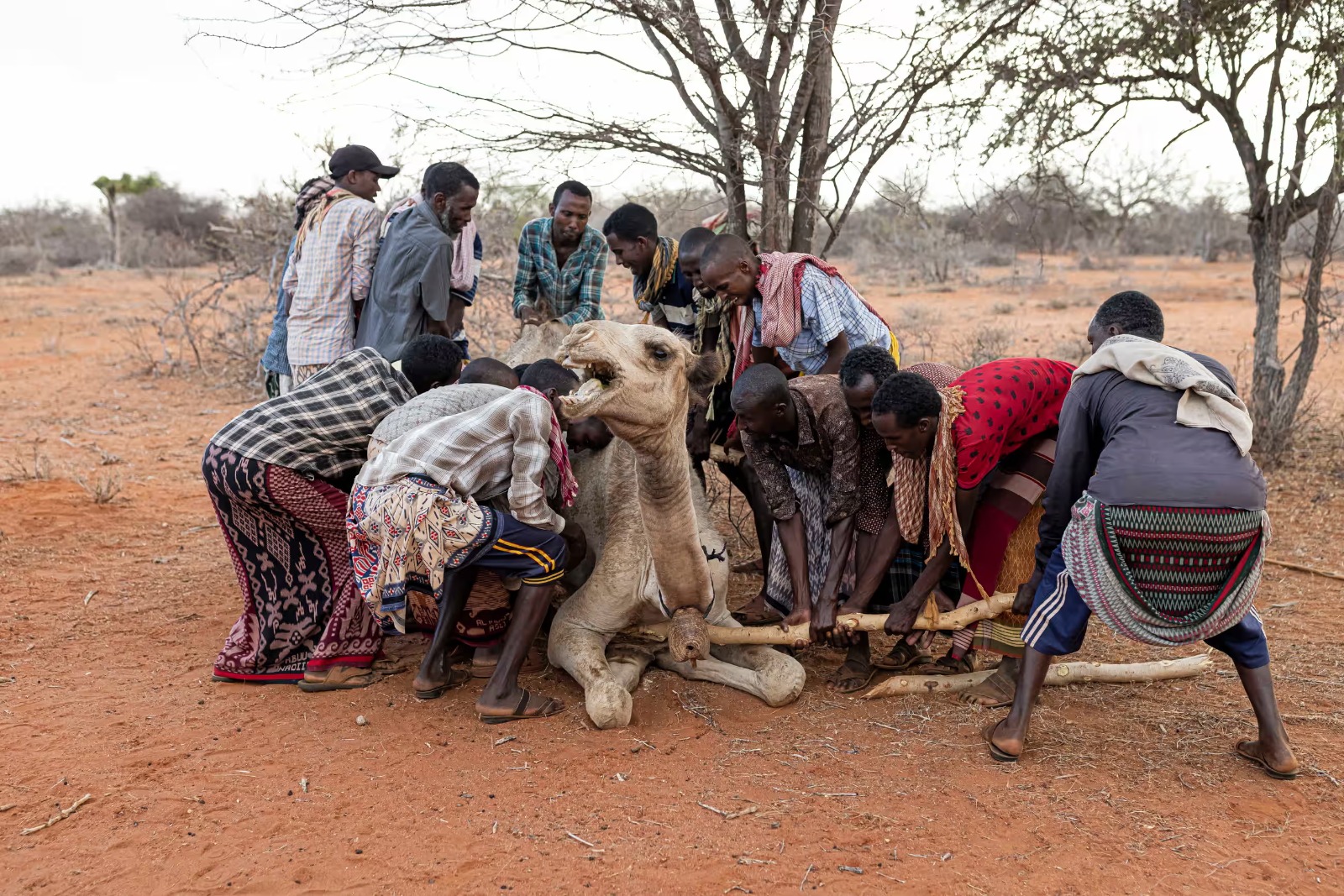
Photograph by Patrick Meinhardt
The young visitors might have basic listening skills of their local language but often struggle to respond eloquently. In response, the locals come up with names for their young and ‘dumb’ visitors who don’t understand their language let alone their own culture. Names like ‘Ichakun’ by the Turkana community, ‘Tene’ by the Borana, ‘Kaure’ by Pokot and the well-known ‘sijuu/sijui’ by the Somali community are just a few examples of the nicknames given to first-generation migrants who cannot speak the language potently. These names are considered offensive and discriminatory by the individuals they are used to refer to. This brews a rift between the two parties and can end up creating resentment towards one’s ethnic group. Consequently, this could lead to one losing their identity and creating a need for acceptance away from their own kinsmen.
The real punch in the gut for the first-generation migrants and those who come after is when the stigma they face in their native communities follows them into the cities they reside in. Where strangers, acquittances, relatives or even their own parents might continue describing them using these derogatory names, looking down upon them as inferior people because they can’t speak their language and are not in tune with their heritage. Why would they expect them to be? These people have been brought up in a different environment (arguably with better living conditions because that was their parents’ goal for migrating), diverse communities and have a completely different view of the world. It’s unfair to impose the same cultural expectations on them, as they have developed their own distinct identity influenced by their experiences.

Sapir- Whorf Hypothesis from the movie ” Arrival”.
There is a very strong correlation between the language one speaks and how one sees everything according to the Sapir-Whorf hypothesis. The theory states that language does not just give people a way to express their thoughts – it influences and determines their thoughts (how they see the world). The gap between the haves and the have-nots in terms of vernacular proficiency could be understood by how these two groups view the world and their environs. The view in terms of relationships, entertainment, marriage, and religion will be different as this is determined by one’s language and environment.
The totality of one’s perception of self and how we view ourselves as individuals is one of the many ways of defining identity, and people from Kenya’s dryland areas are so proud of theirs. The best way to safeguard this identity in my opinion is by first not discriminating against our young generation who have not had the opportunity to find their identity because of their environmental constraints and to make them feel part of the community. There is also a huge responsibility on parents to understand how important the mother tongue is and how it could shape the reality of their children’s lives.
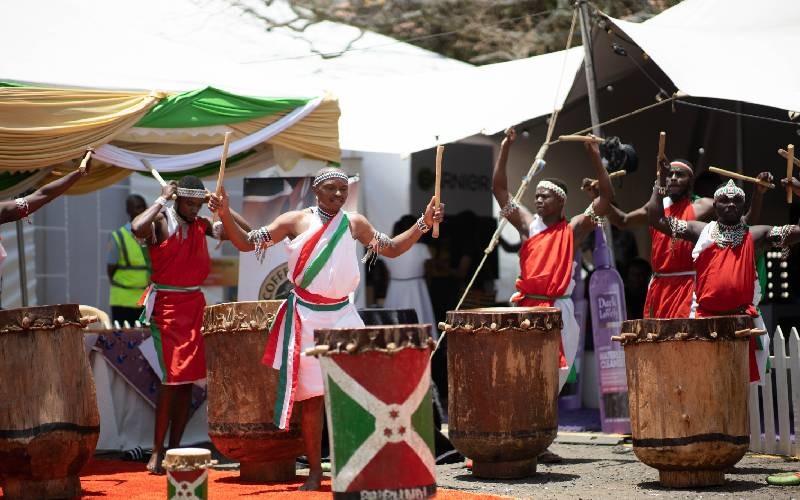
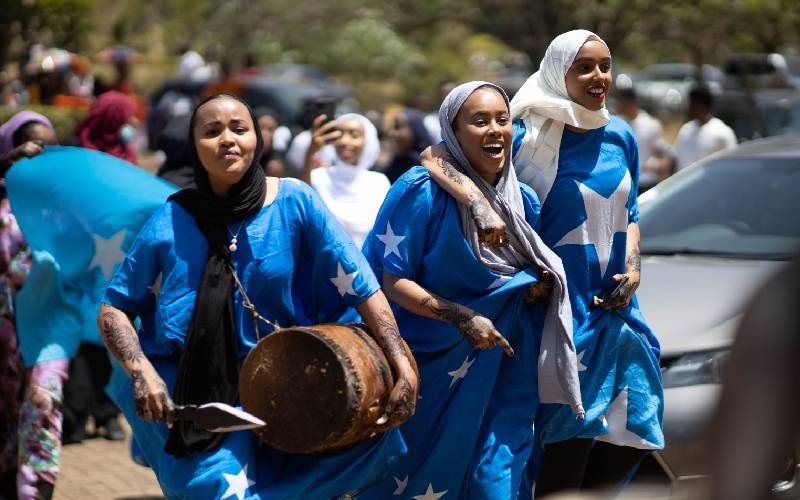
USIU Cultural Week 2021
Lastly, having cultural festivals which bring together people from the same ethnic tribes can be a powerful way to celebrate and preserve the richness of their culture and traditions. By beautifying the culture and tradition we can inspire the next generation’s interest and instill a sense of pride in their indigenous background, fostering a stronger sense of cohesion within the community.