Jarso Mokku is the CEO of Drylands Learning and Capacity Building Initiative (DLCI) and Secretary to the Pastoralists Parliamentary Group (PPG) Secretariat based in Nairobi, Kenya.
Article by Jarso Mokku.
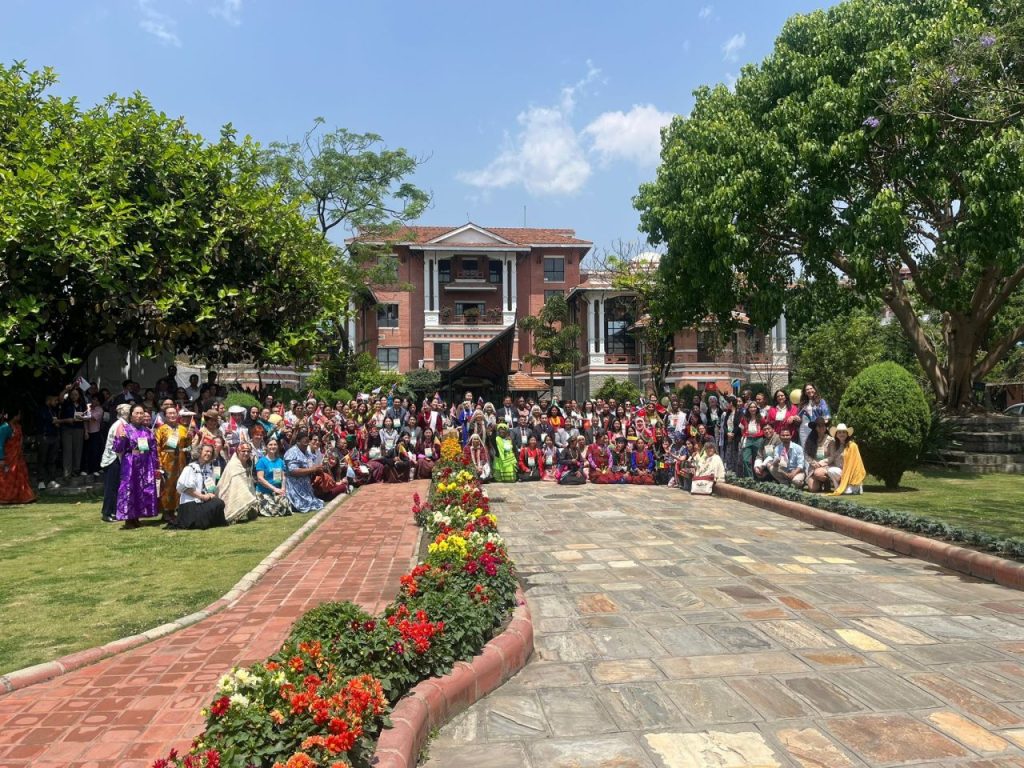
DLCI, in collaboration with Saferworld and Centre for Conflict Resolution (CECORE) from Uganda, organized a two-day workshop, 24th–25th June 2025, at Cradle Hotel, in Lodwar, bringing together a wide range of stakeholders from the communities in the borderlands of Kenya and Uganda. They reflected on strategies that promote gender-responsive, climate-resilient, and peaceful borderlands coexistence. This is meant to strengthen inter-community collaboration, cooperation, and learning across the border corridors in Kenya, Uganda, and South Sudan.
Strengthening cross-border community relations consistently emerged as a unifying theme throughout the discussions. The border corridors were often mentioned as physical routes and essential spaces for shared livelihoods, community interactions, and peacebuilding. These border areas remain crucial to the well-being of local economies, migration patterns, and grassroots community cooperation. We are one people, ATEKER.
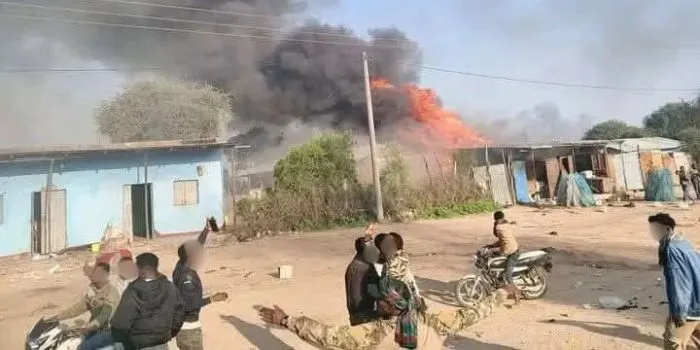
Reflecting on the tragic cycles of the community’s self-destruction through an ongoing violent struggle. One elder from Kenya eloquently posed a poignant question: “Are we cursed?” The room fell silent. This was not a rhetorical question but a heartfelt call to action, urging border communities and leaders at all levels to break free from cycles of violence, revenge, marginalization, and the story of historical neglect. Geoffrey from Uganda, CECORE, stressed that the shared experience of suffering across border communities is the same: “All of us suffer at different levels from this challenge. We know even locations that suffer the most. It is not one gender suffering more than another or another community more than others; we all suffer intensely differently.
Government policies play a vital role in easing the suffering of pastoralist communities. They have the power to either bring people together or unintentionally create more divisions. Here are some thoughtful ideas on how well-designed policies can help these communities flourish and open up exciting opportunities for overall national growth. Together, we can work towards a future with stronger dryland economies where everyone has a chance to thrive.
Land Tenure and Access: Many pastoralists rely on communal land, but government policies often favor individual land ownership or large-scale investments like private conservancies, wind power farms, or oil projects over local strategies of strengthening the community livelihood system, pastoralism, and livestock development in the drylands. This shift can displace communities and most often restrict community access to their traditional grazing routes, sparking disputes.
Security and Policing: Inadequate policing and delayed government responses to cattle raids or border disputes erode trust in state institutions. Some policies, like arming local militias or redeploying National Police Reservists (NPRs), have had mixed results—sometimes improving security, other times escalating violence if not well-regulated.
Marginalisation and Development Gaps: Pastoralists regions have historically been deliberately sidelined in the national development plans, creating poor infrastructure, limited education, and weak political representation. This creates a sense of exclusion, which can fuel resentment and conflict.
Weak Integration of Customary Systems: Traditional conflict resolution mechanisms—like elders’ councils—are often overlooked in formal policy development interventions. When the traditional systems that sustain people are weakened without being replaced by effective alternatives, communities lose trusted ways to manage disputes.
Climate and Resource Management: Policies that fail to address climate resilience or sustainable resource use can worsen competition over scarce resources—water and pasture. Without coordinated grazing plans and proper mechanisms for drought preparedness, communities are left to fend for themselves, often leading to clashes over limited resources available.
Despite these challenges, there are still signs of hope and progress. Some policies now aim to blend traditional and formal governance, e.g., the Community Land Act 2016, which aims to recognize and register common spaces and territories. Support for peacebuilding continues through shared markets and dialogue forums.
Reducing pastoralist conflicts in Kenya calls for bold, thoughtful reforms that respect the unique rhythms of pastoralist life while addressing long-standing structural issues. Based on recent policy discussions and expert recommendations, some key reforms could make a real difference.
Land and Resource Rights—Recognize and protect collective land rights: Strengthen and provide an adequate budget for implementing the Community Land Act to ensure pastoralists can register and manage communal lands without being forced into sedentarism. Codify Indigenous land use practices. Integrate traditional grazing patterns and seasonal mobility into formal land-use planning. Participatory rangeland management: Involve pastoralists in land-use decisions to ensure policies reflect their needs and knowledge. Empower community governance structures, ensure the Community Land Management Committees to reflect traditional leadership better, and improve accountability.
Conflict Resolution and Governance: Strengthen customary conflict resolution systems. Support elders’ councils and integrate them with formal justice systems to resolve disputes peacefully. Improve security coordination: Develop localized, community-led security strategies that reduce reliance on reactive policing.
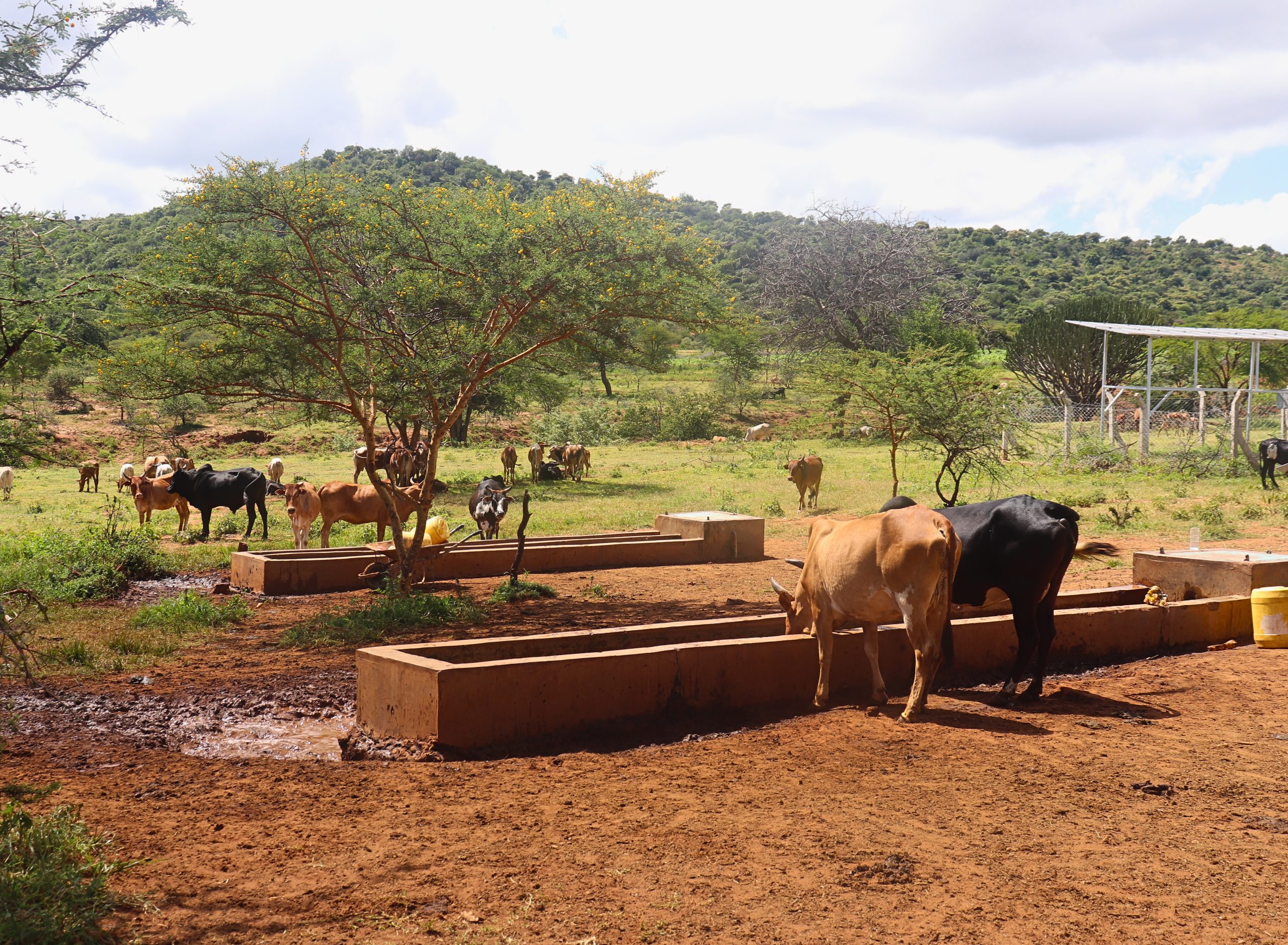
Climate and Livelihood Resilience: Invest in climate-smart infrastructure, such as water points, drought-resilient roads, and mobile services that support pastoral mobility. Support diversified livelihoods, such as encouraging investment in value chains that complement livestock sector-based livelihoods—like ecotourism, crafts, or renewable energy—to reduce economic pressure on grazing lands.
Political Inclusion and Representation: Strengthen devolution. Ensure county governments have the capacity and resources to effectively address and deliver to pastoralist communities’ expectations and needs. Champion pastoralists voices in national policy. Platforms like the Pastoralists Leadership Summit (PLS) are progressive, vital structures for shaping inclusive, responsive legislation and influencing government policy deliveries.
These reforms aren’t just about preventing conflict—they’re about unlocking the full potential of pastoralist communities. If you were designing a policy from scratch, would you consider which to prioritize first: community land rights, security, or economic opportunity?
Jarso Mokku is the CEO of Drylands Learning and Capacity Building Initiative (DLCI) and Secretary to the Pastoralists Parliamentary Group (PPG) Secretariat based in Nairobi, Kenya.
Featured Cover Photo credits: African Leadership Institute
Hi! I'm DLCI's AI assistant. What can I help you find today?
Find publications, pages & contacts